I design products that move key metrics
Senior Product Designer experienced in launching products from scratch and scaling established systems. I’ve designed mobile, web, and VR products—from product logic and early prototypes to growth, retention, and scale. I use AI and code to validate ideas faster and turn them into working products.
Glam AI
Platforms
iOS · Android
Role
Lead Product Designer
Period
2023 - 2026
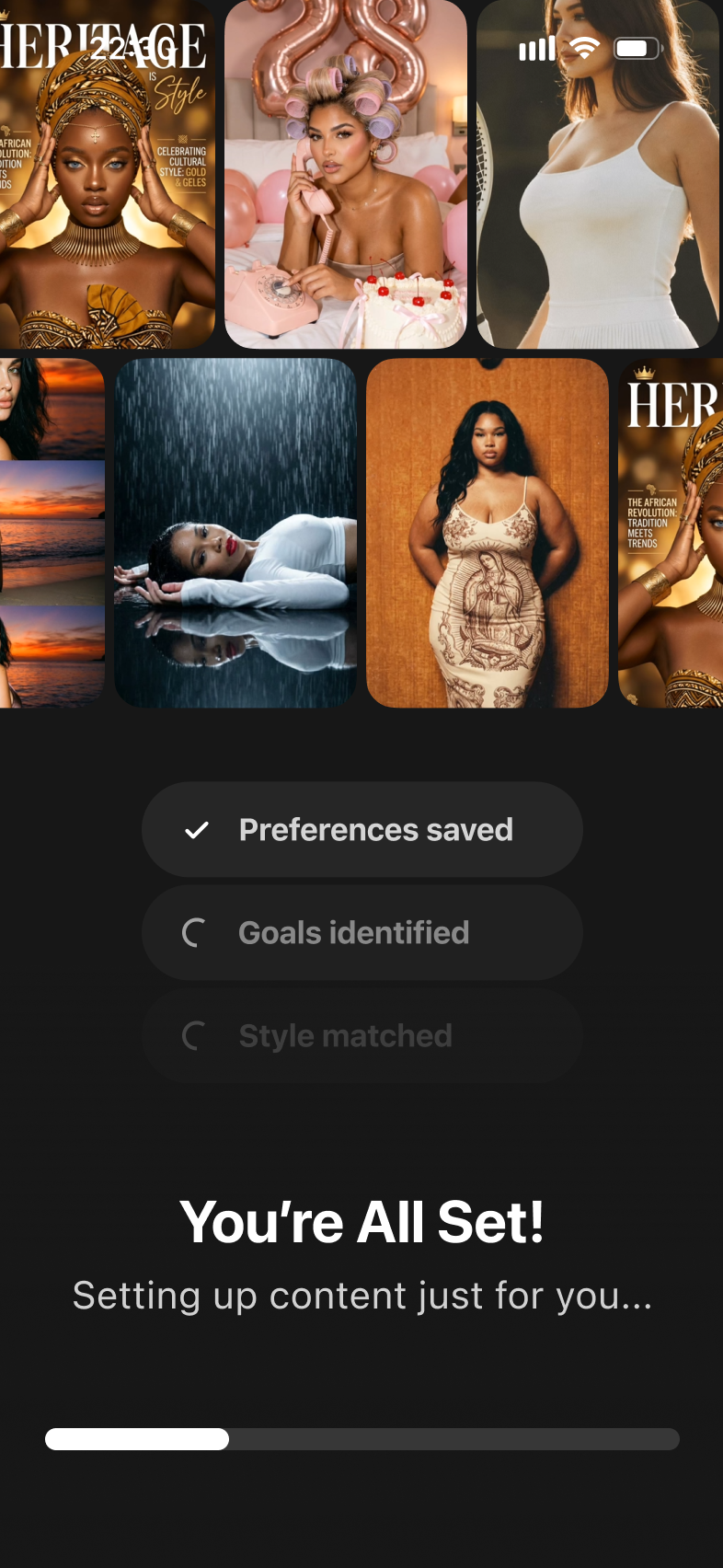
A consumer AI product for creating and editing photos and videos. I joined the team in 2023 and designed the entire mobile product from the ground up: core flows, onboarding, and monetization.
During my time there, Glam AI grew from under $5K to approximately $6M in gross monthly revenue and ranked as high as #5 in the Photo & Video category of the US App Store. Over time, my role expanded from designing individual flows to independently leading a product direction.
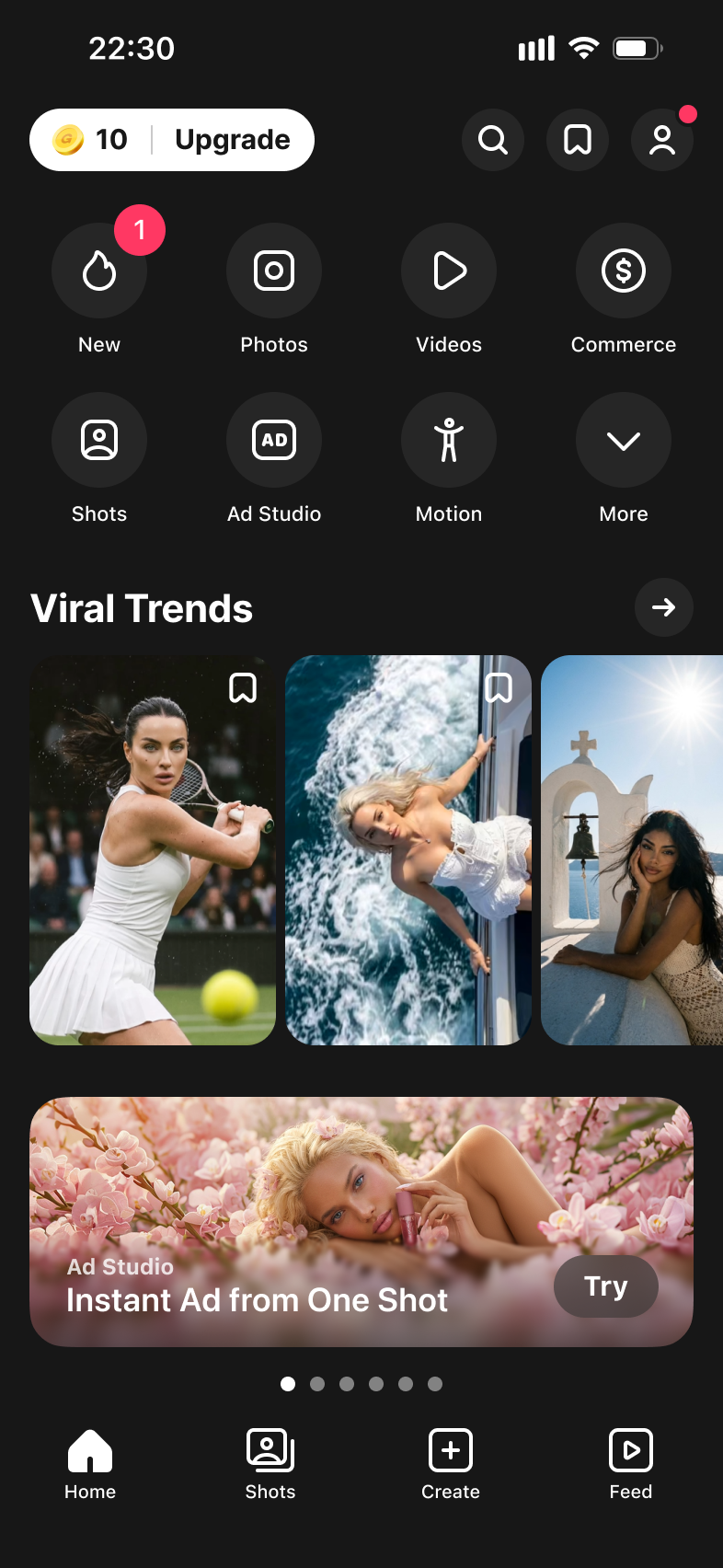
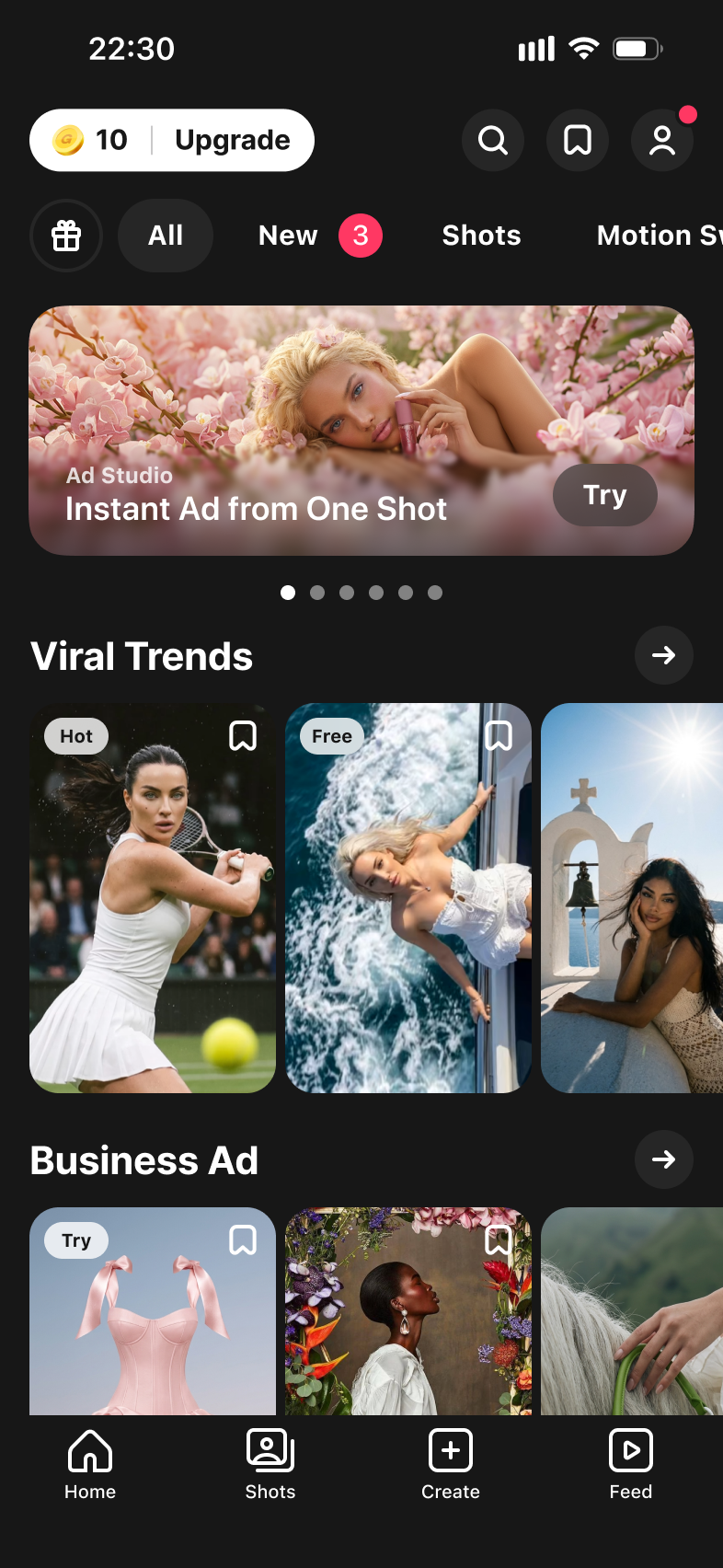
Home
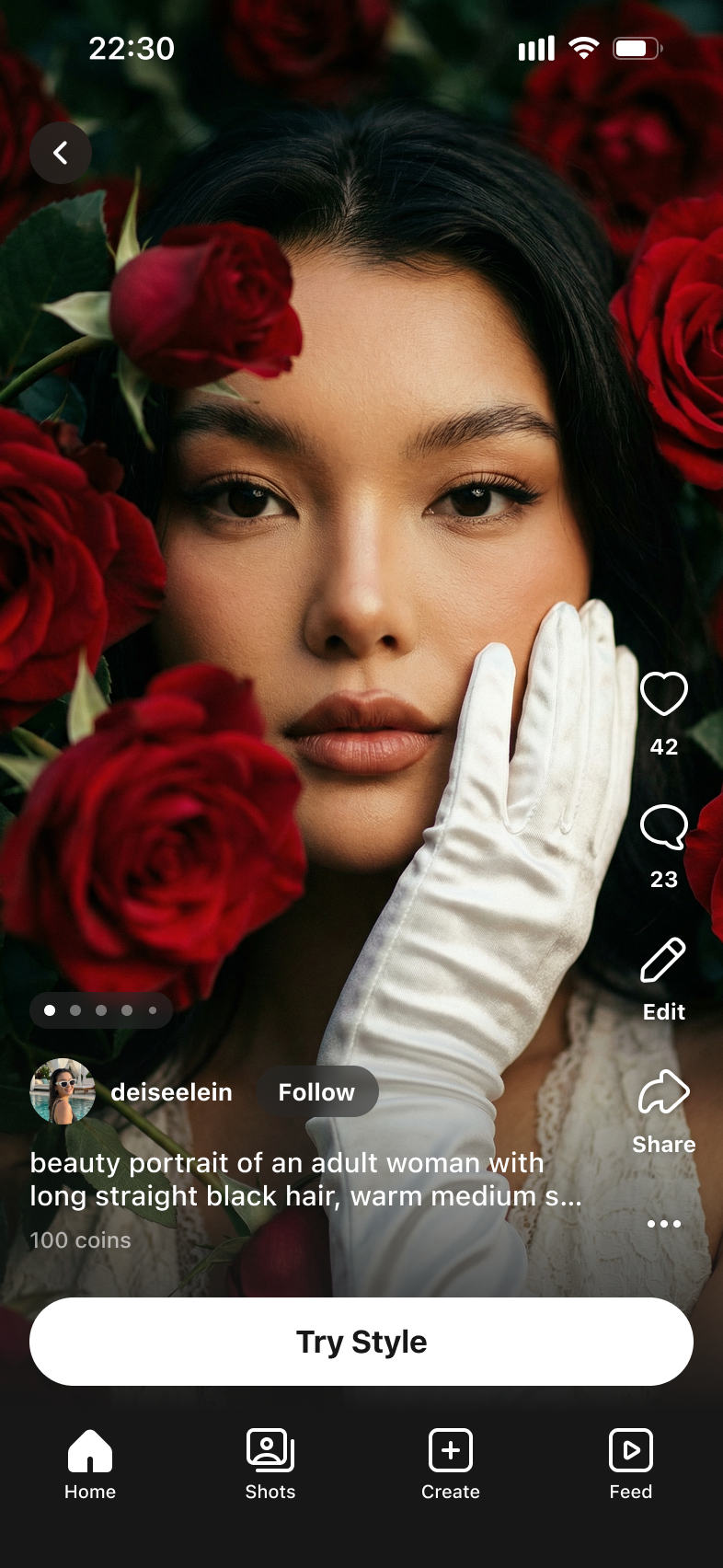
Effect preview
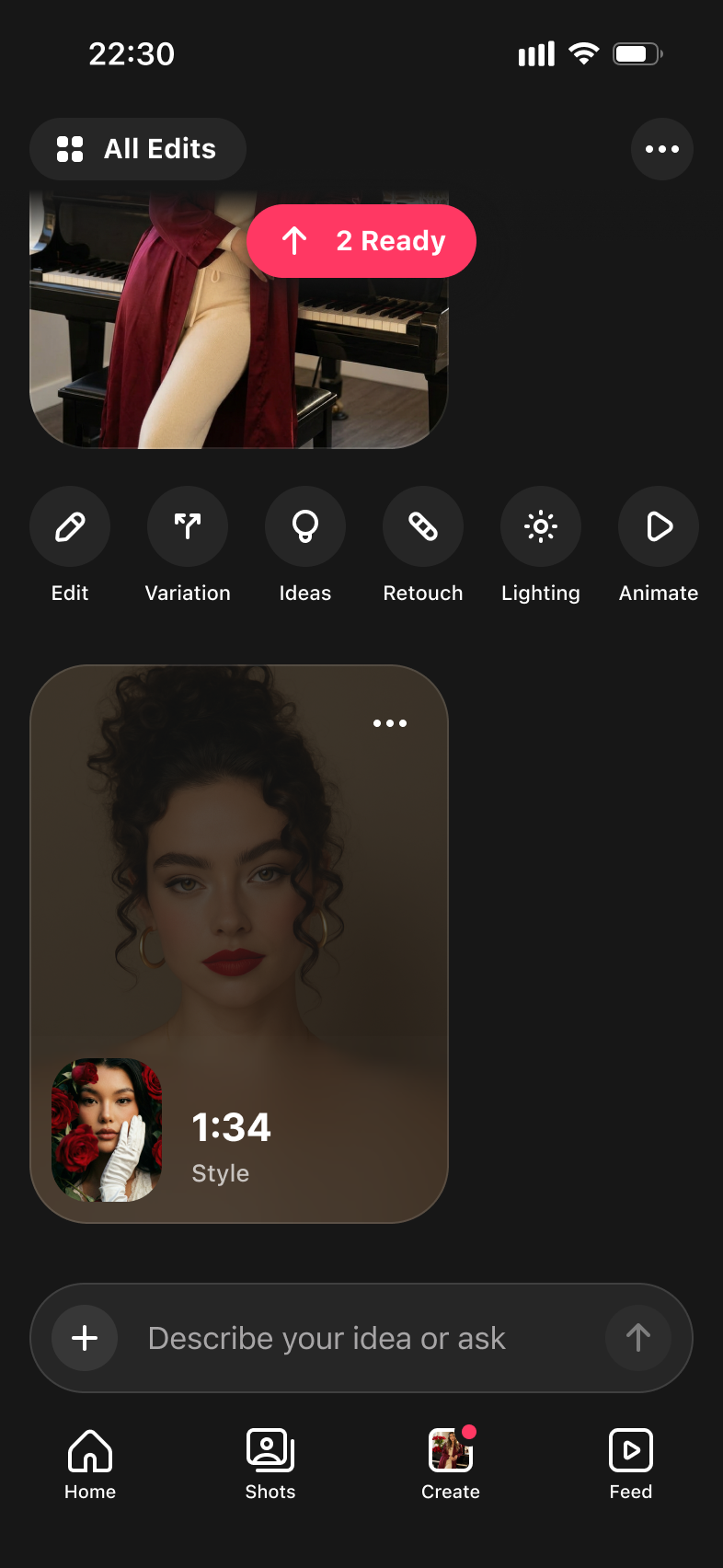
My edits
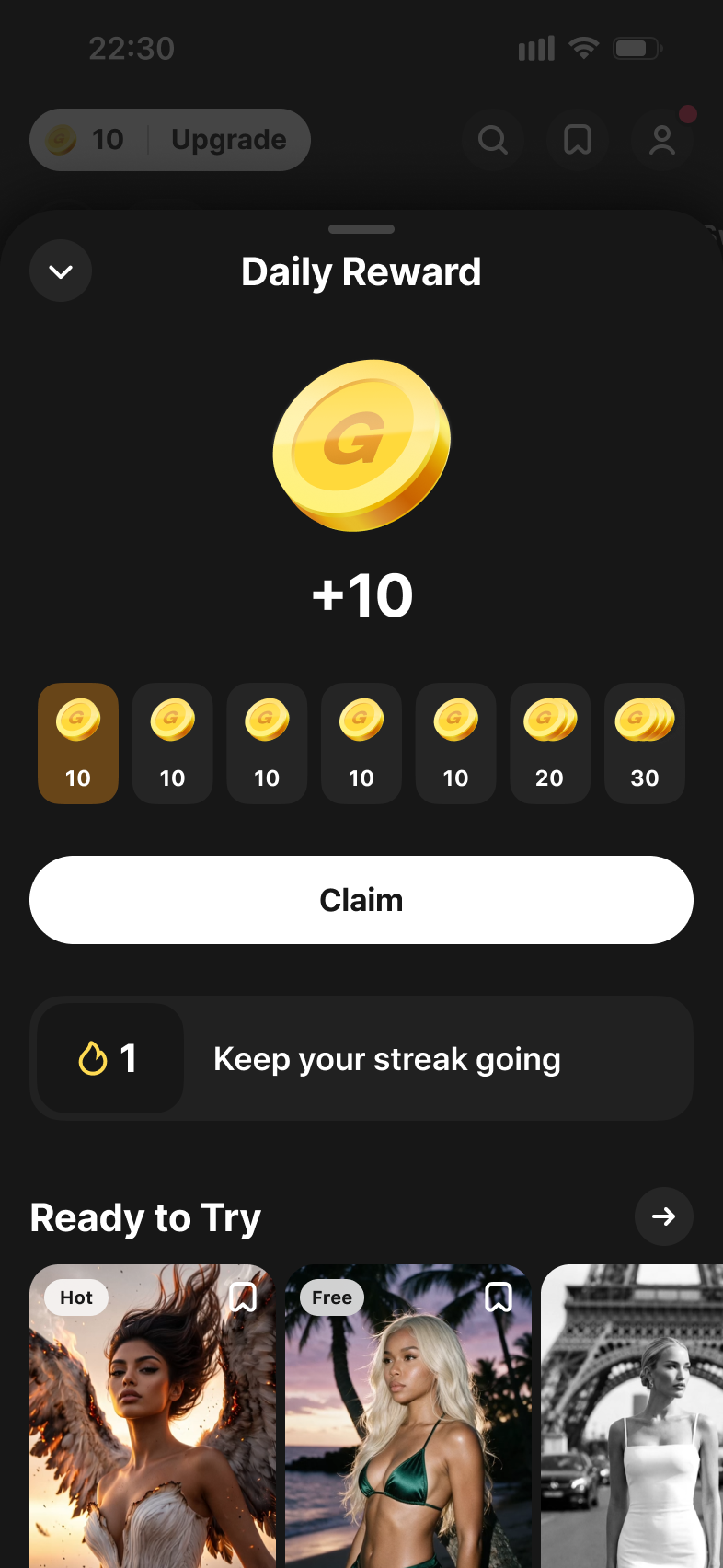
Daily rewards
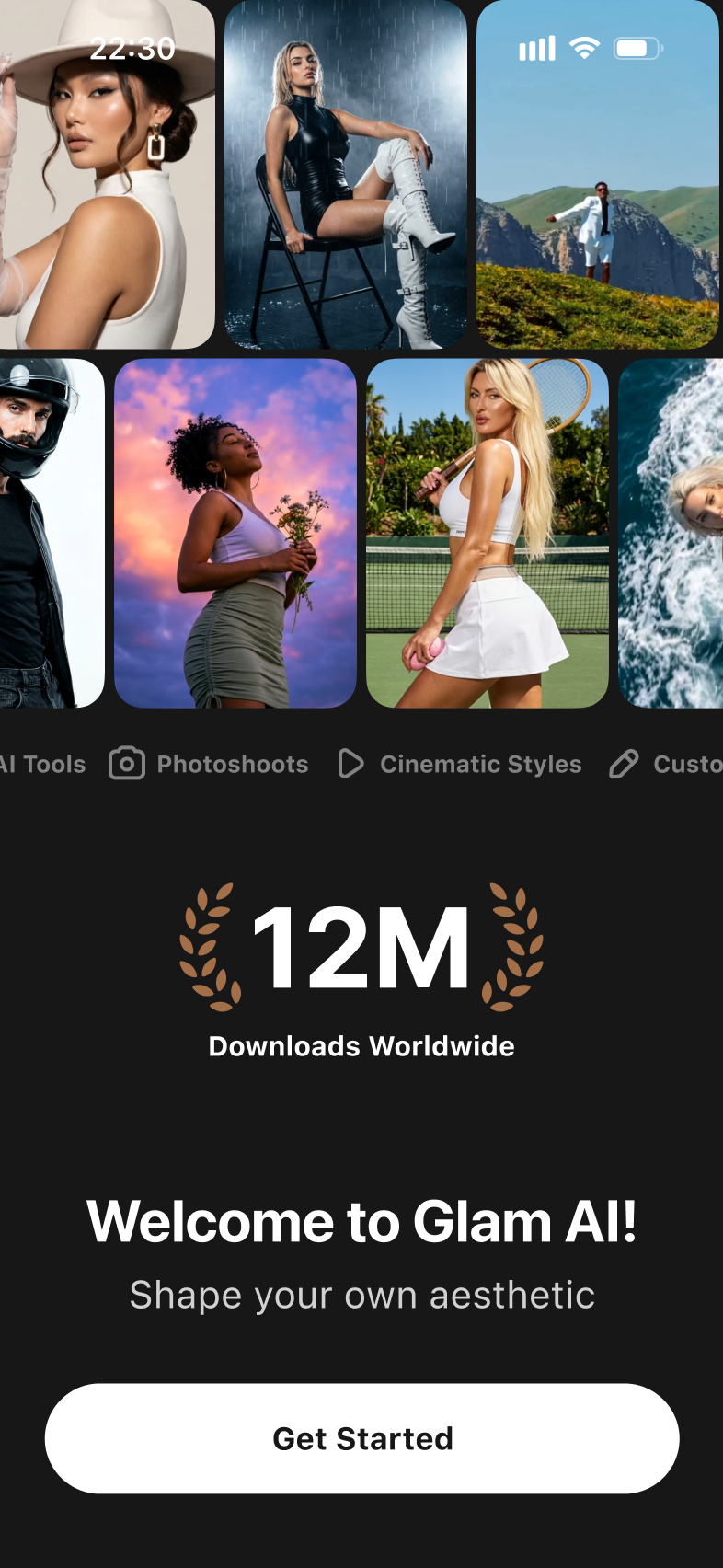
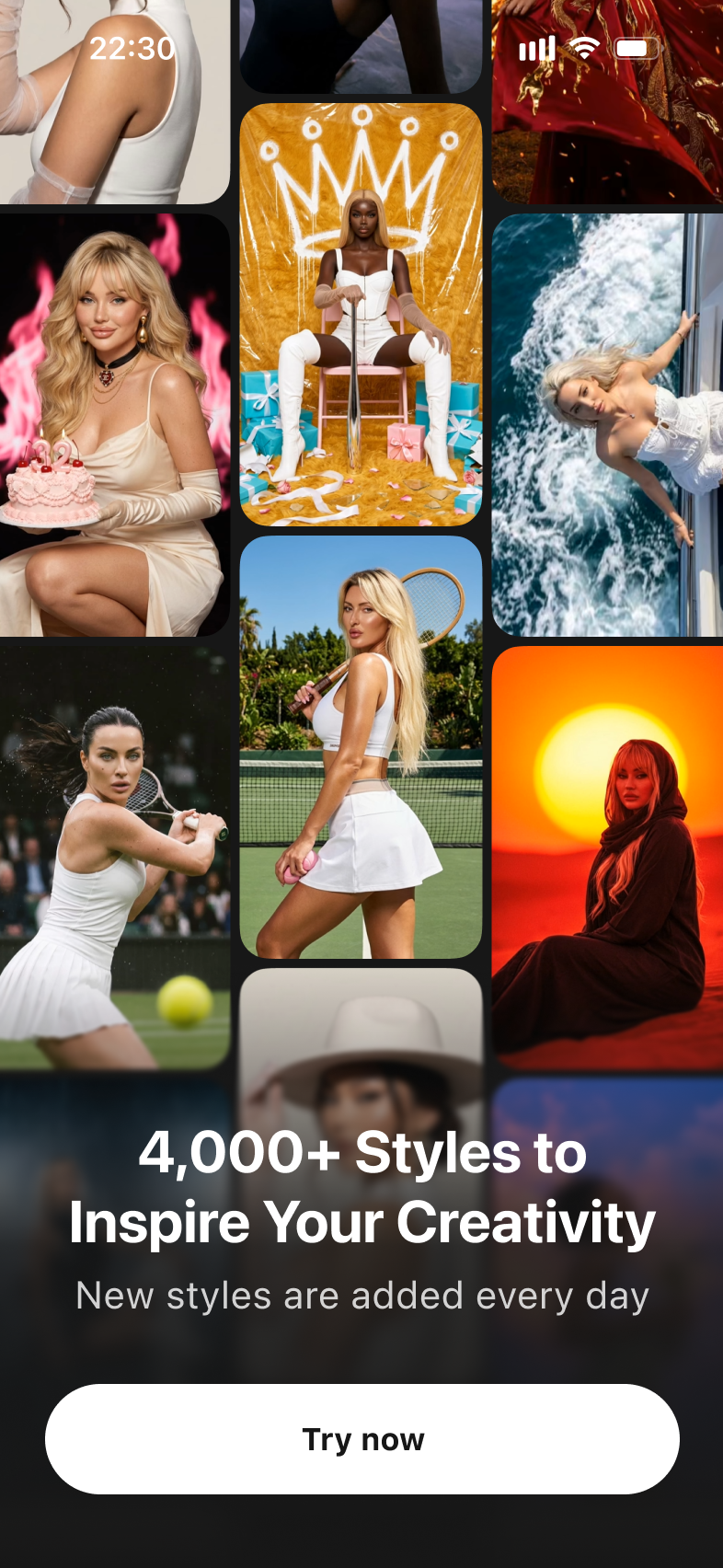
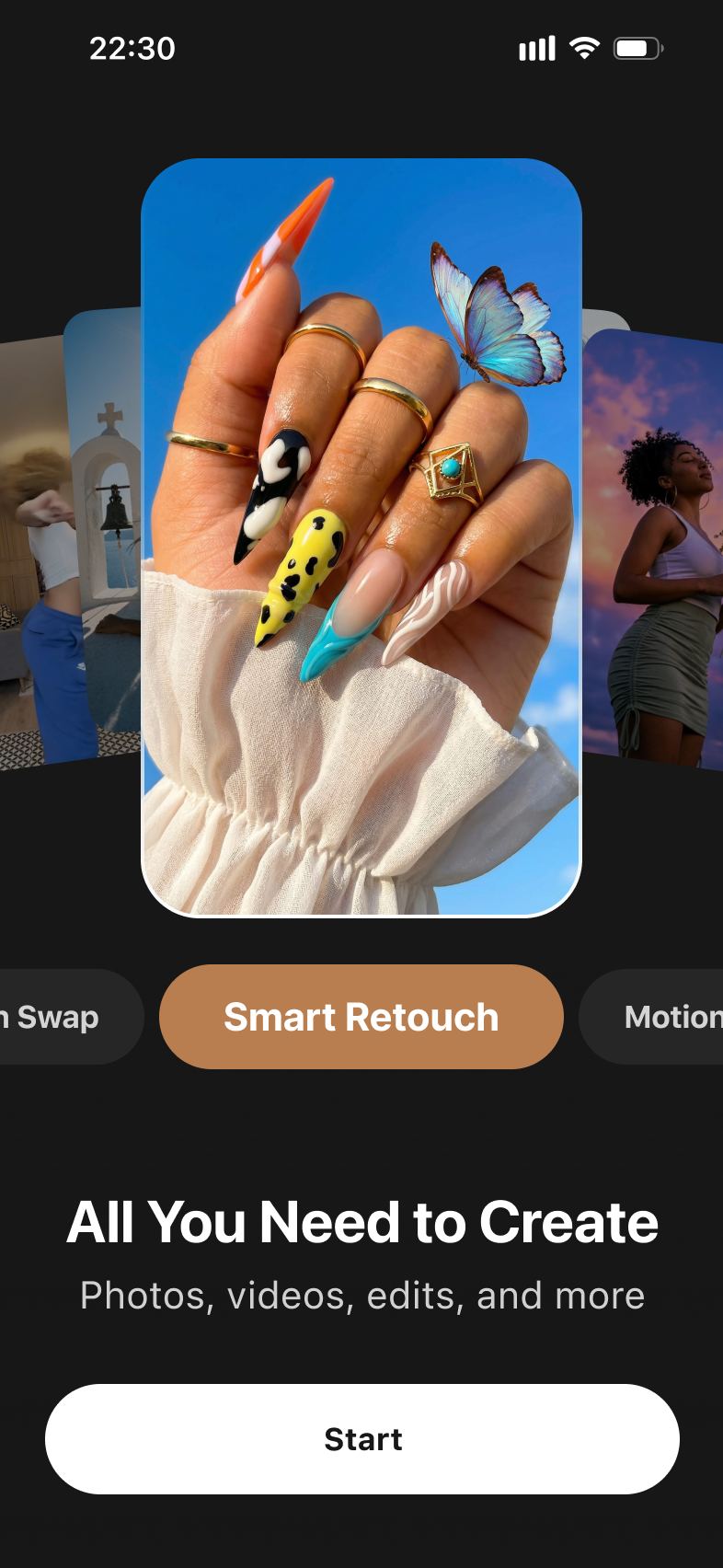
Onboarding screens
Early experiments (2023)
At first, the team had a set of AI technologies, but no clear product built around them. I designed flows for AI Avatars, photo and video effects, reels, and other emerging use cases that evolved alongside the models. In parallel, I ran extensive onboarding and paywall experiments, still within a single funnel shared across the product.
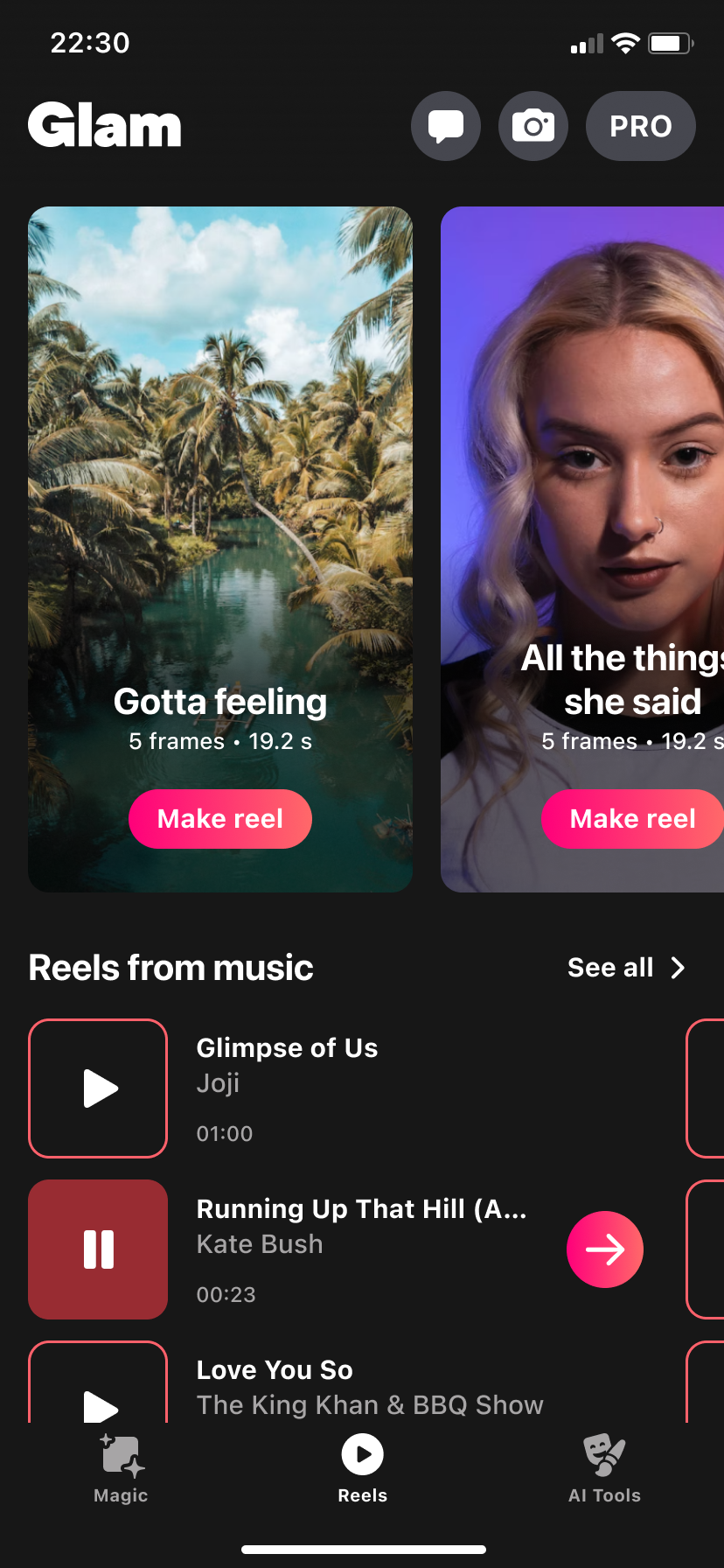
Home Screen: 2023
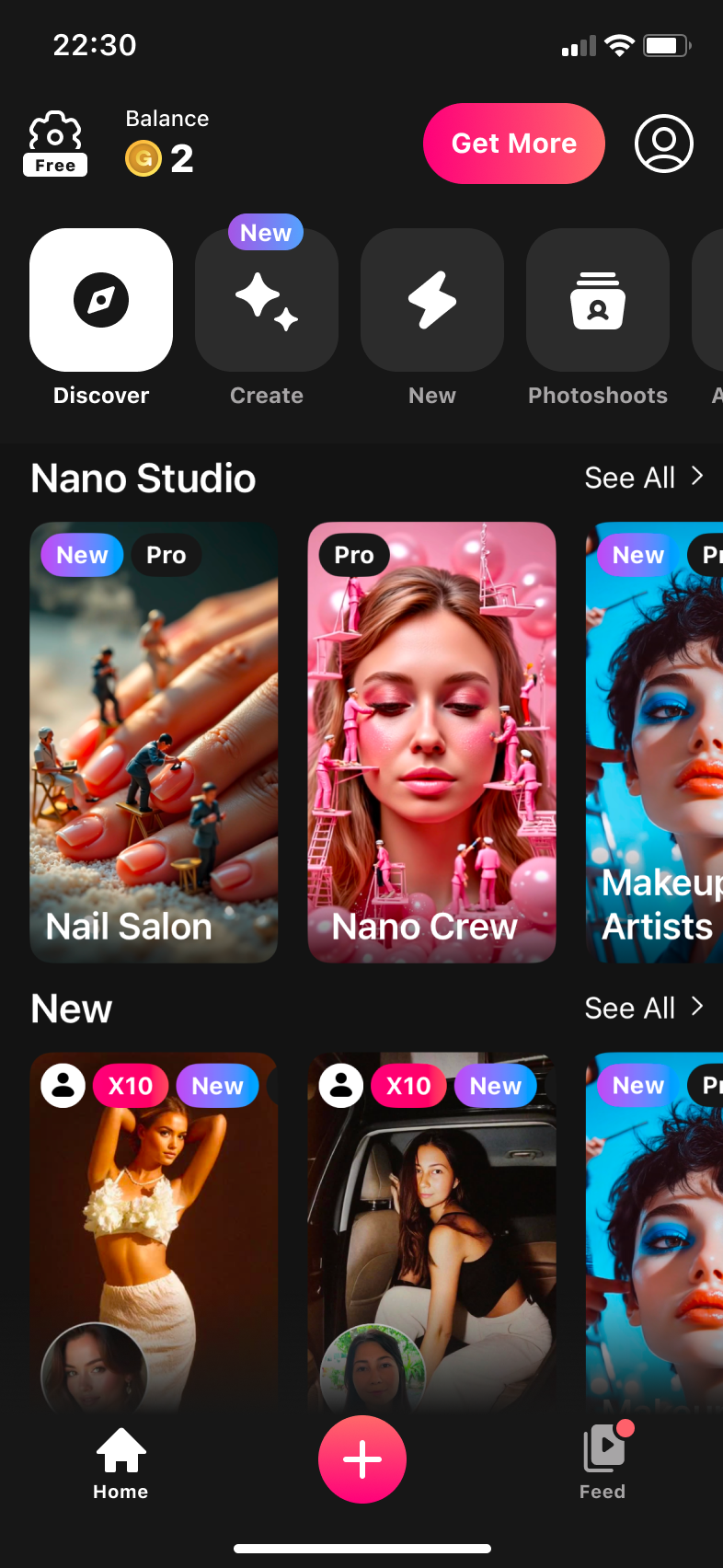
Home Screen: 2024
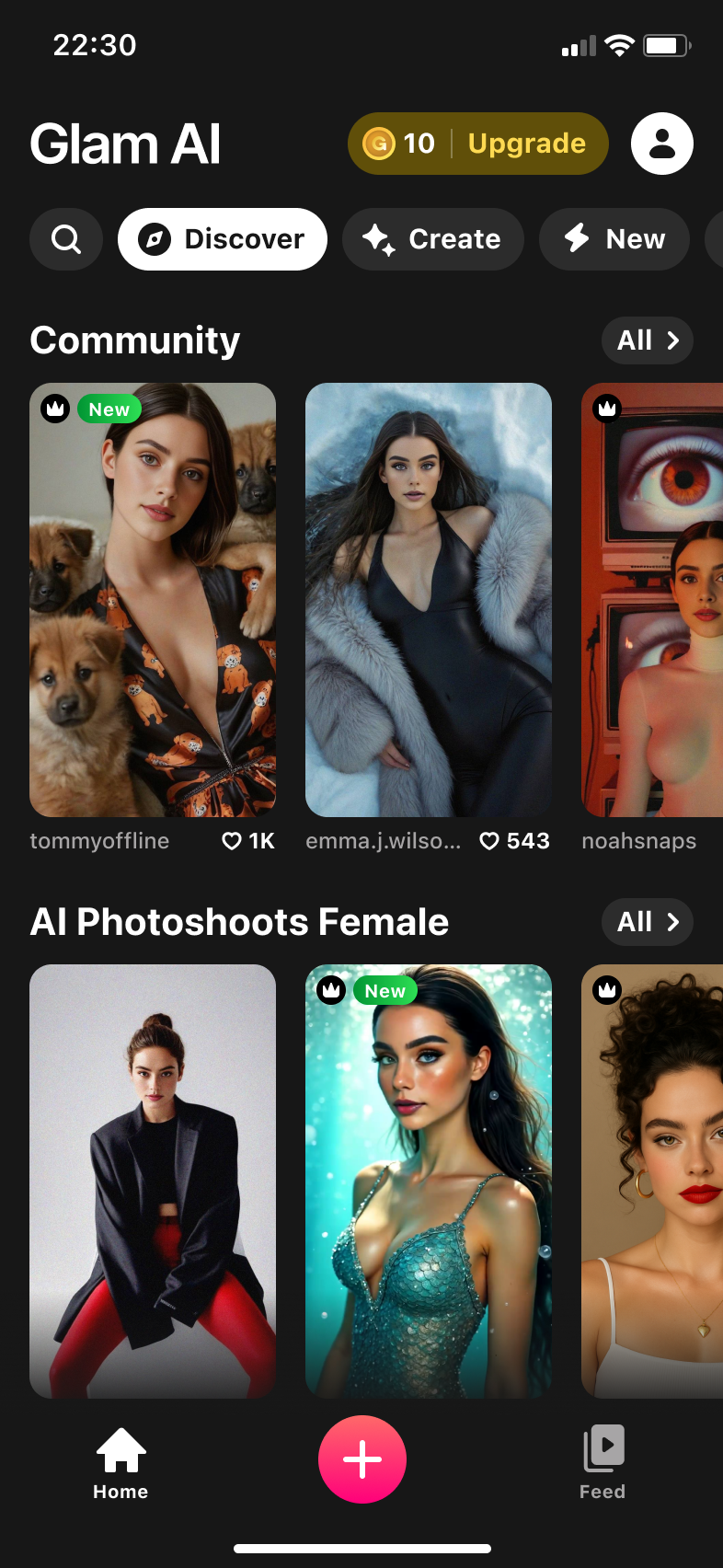
Home Screen: 2025
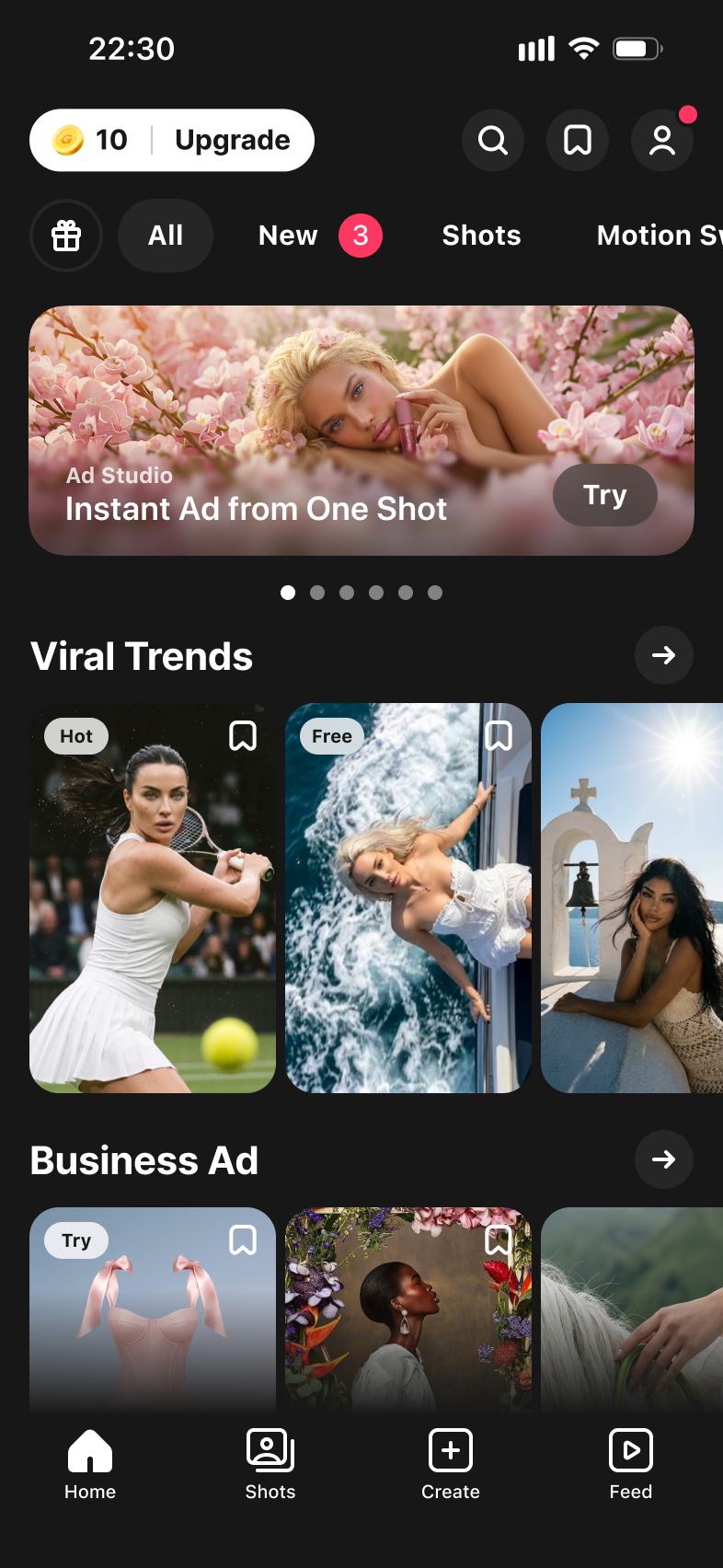
Home Screen: 2026
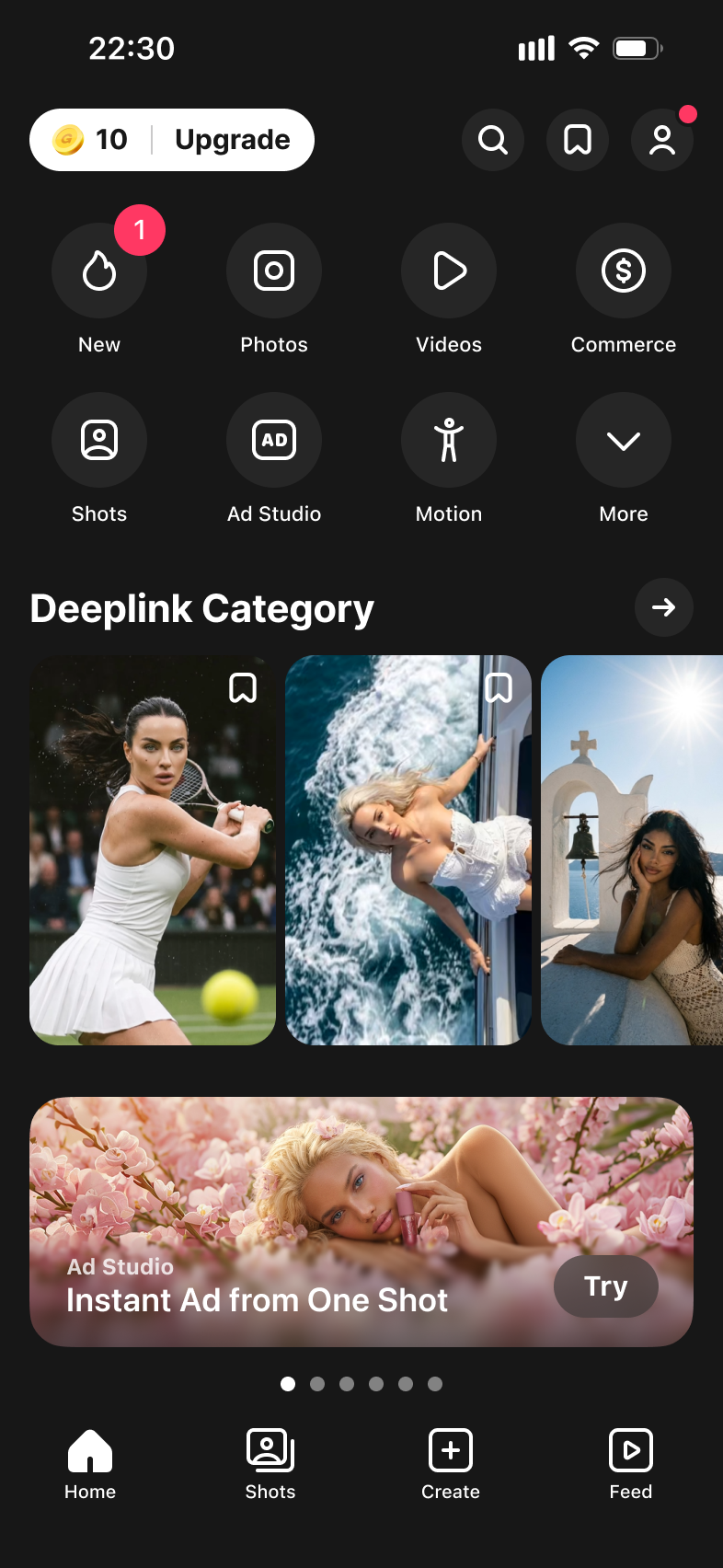
Home Screen: 2026 AB
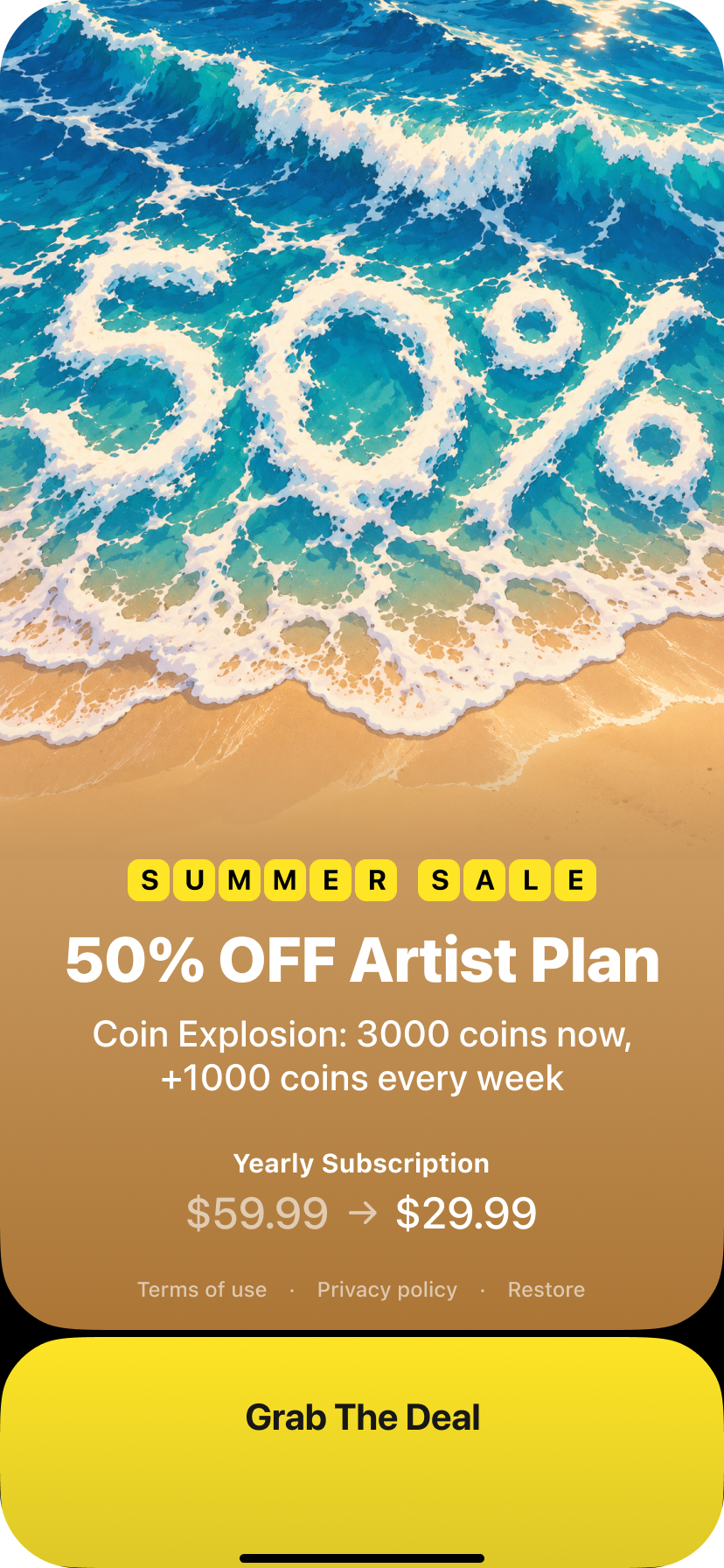
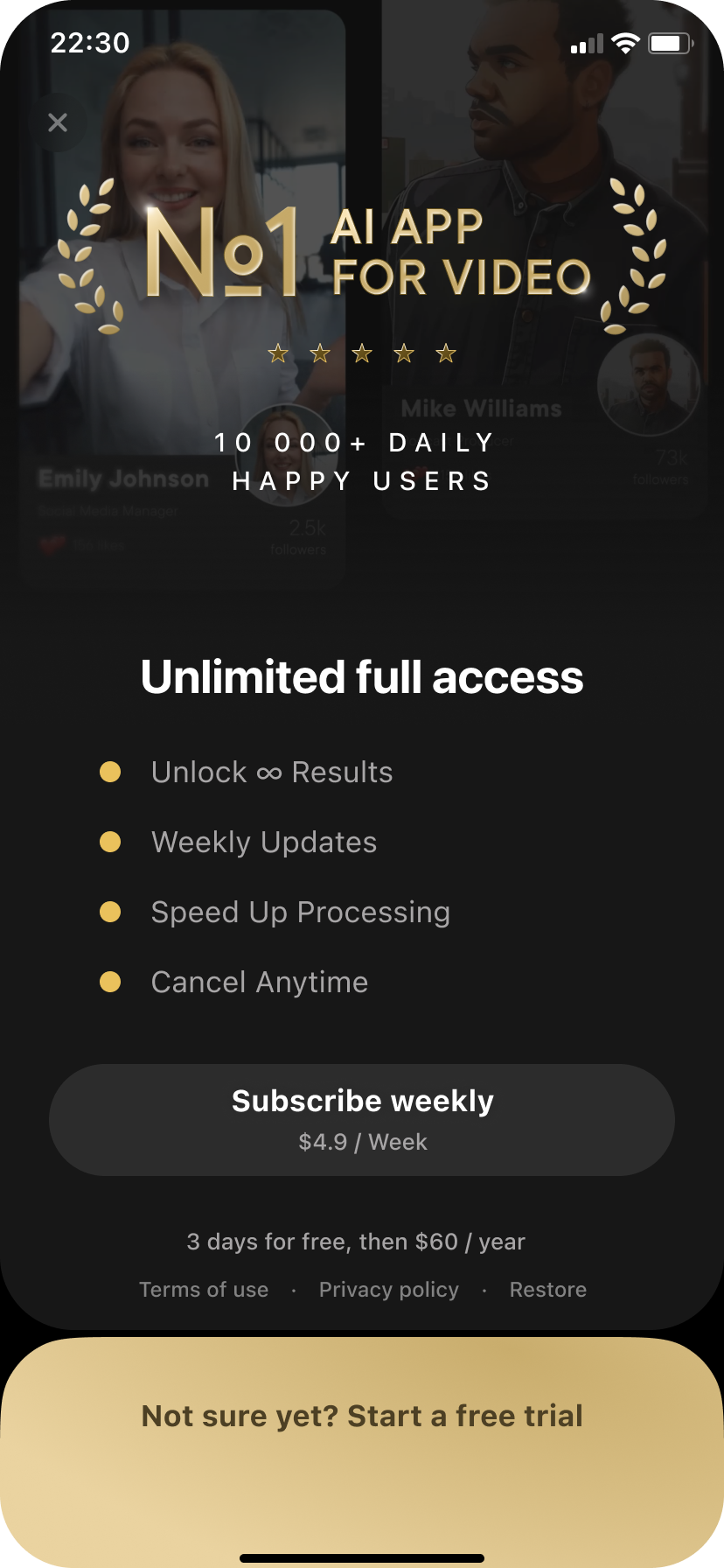
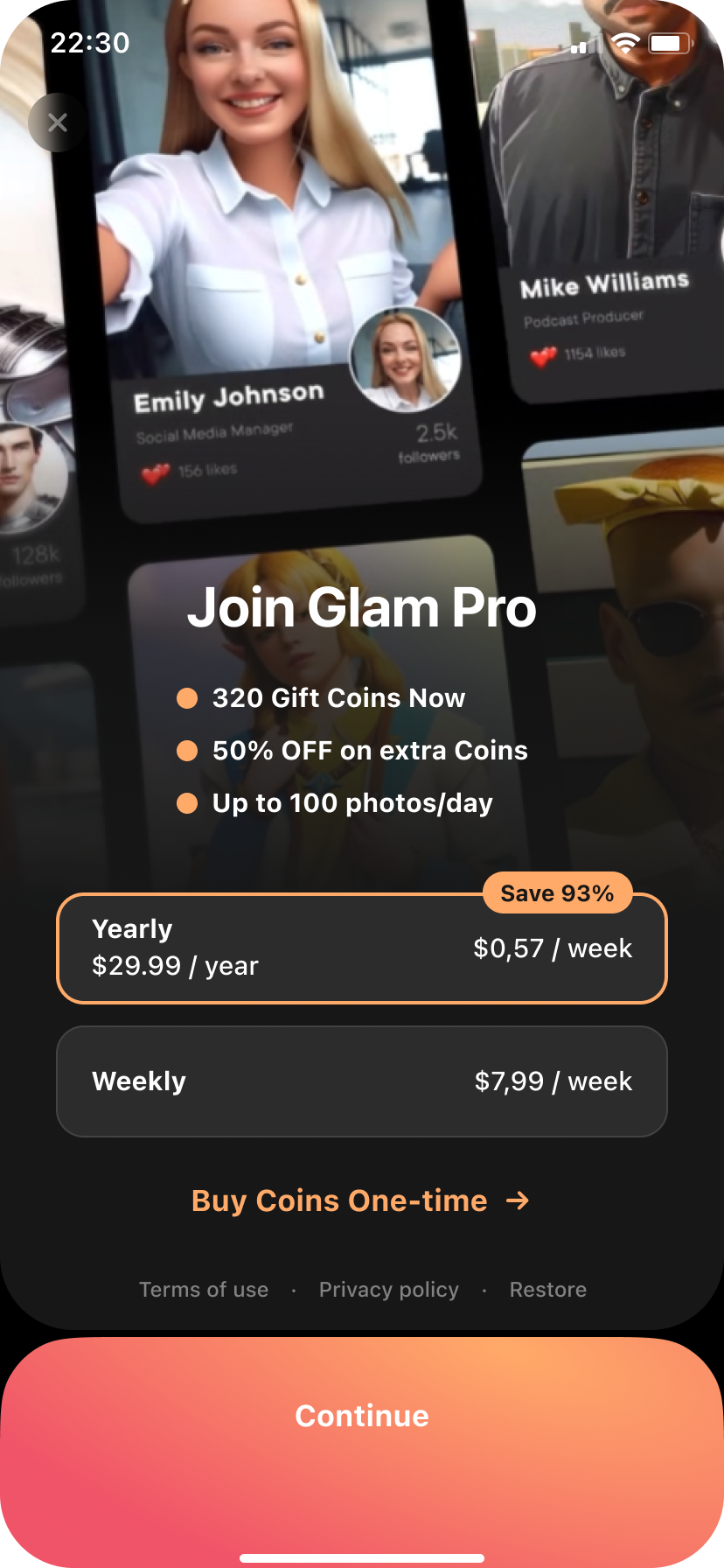
Experimental paywall variations
Unified monetization
As the number of AI features grew, subscriptions became difficult to reconcile with the widely varying cost of generations. Separate daily limits for photos, videos, and different models quickly became confusing. I proposed moving to coins—a single currency for every generation—before this pattern became standard across AI products.
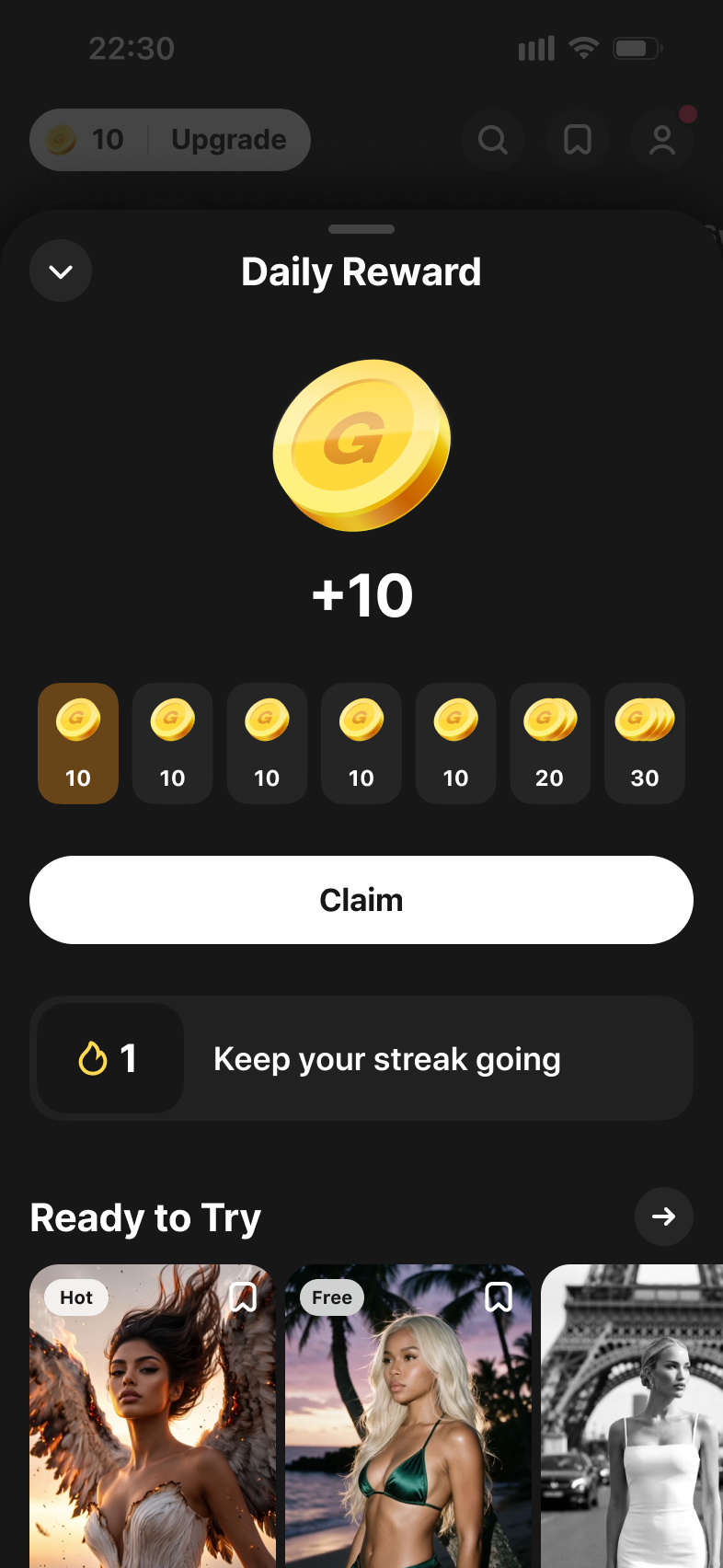
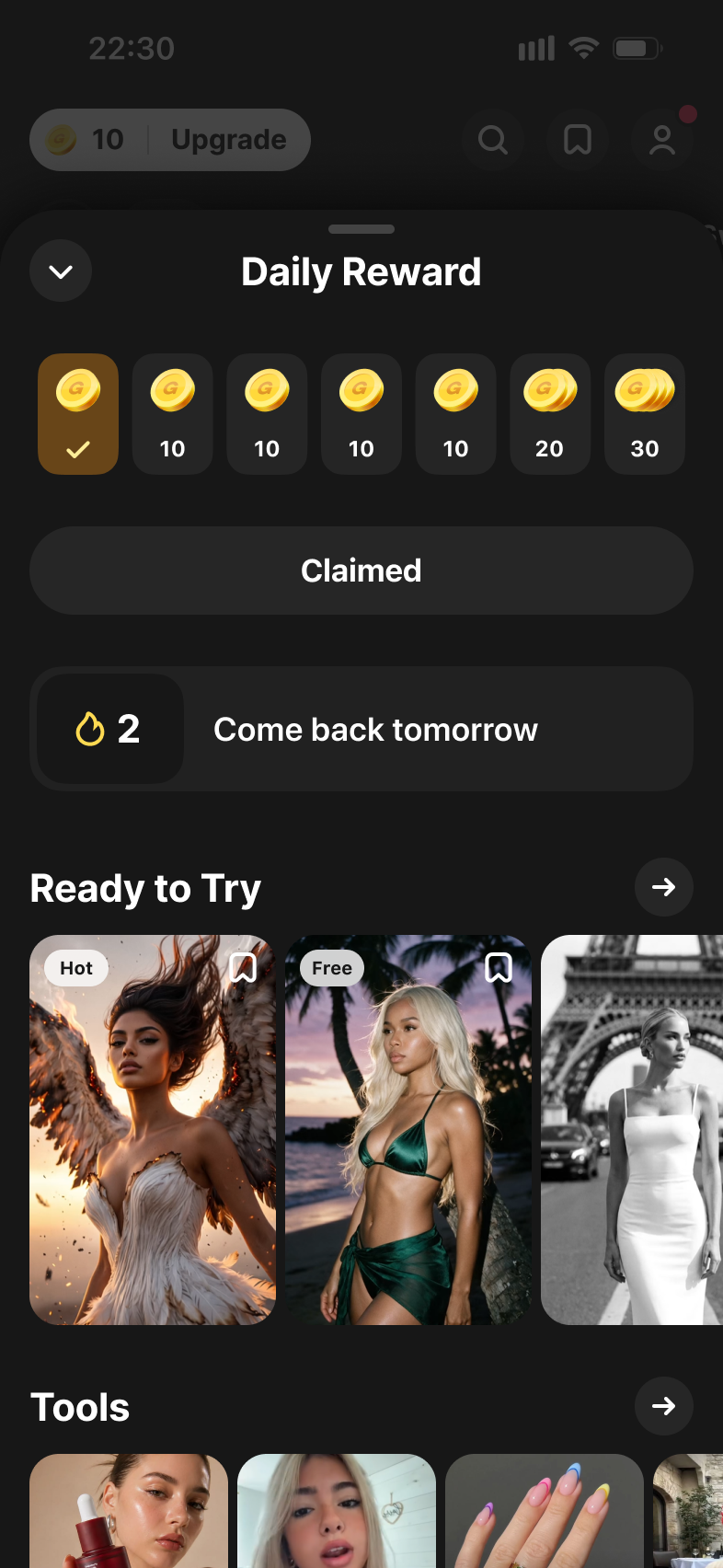
Users earned coin rewards for opening the app each day. This proved to be an effective retention mechanic.
Growth model
By 2024, viral effects tied to movies, memes, sports, and other cultural moments had become the primary growth engine. I helped standardize most of these effects into a reusable flow that could be quickly adapted to each new trend: preview → upload → generation → result → share.
Custom acquisition funnels
Nearly all acquisition came from ads for a specific effect, so I began tailoring the first-time experience to the intent behind each ad. For every campaign, we adjusted the onboarding, content order, and the first filter users saw. This approach later evolved into custom web-to-web funnels.
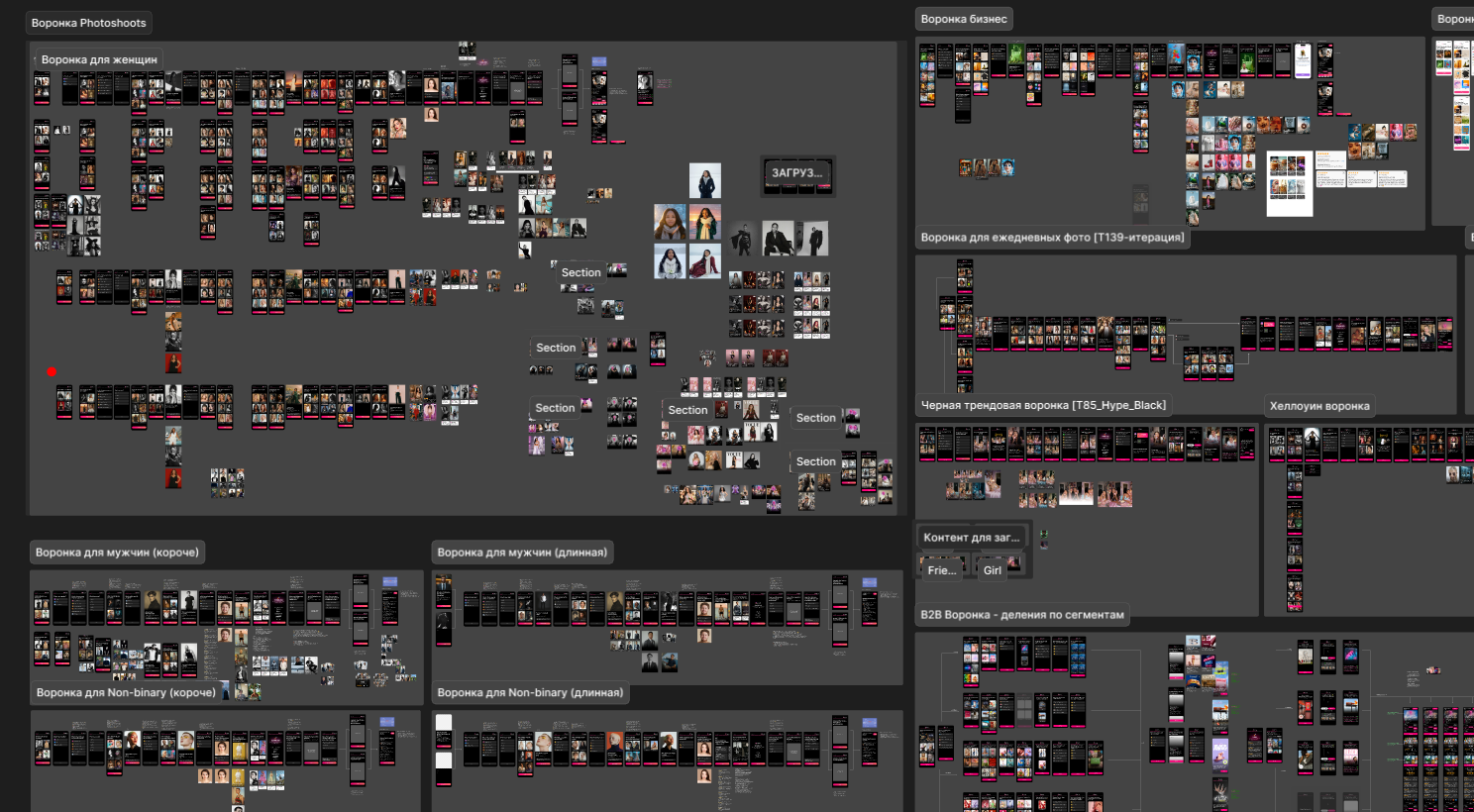
There were a lot of funnels :)
My side project within Glam AI
While the core product scaled through viral effects, I also championed a more open-ended way to work with AI. Instead of choosing only from preset edits, users could upload a photo and describe what they wanted to achieve. It was a small side initiative with limited resources, but it gradually built an active audience of its own.
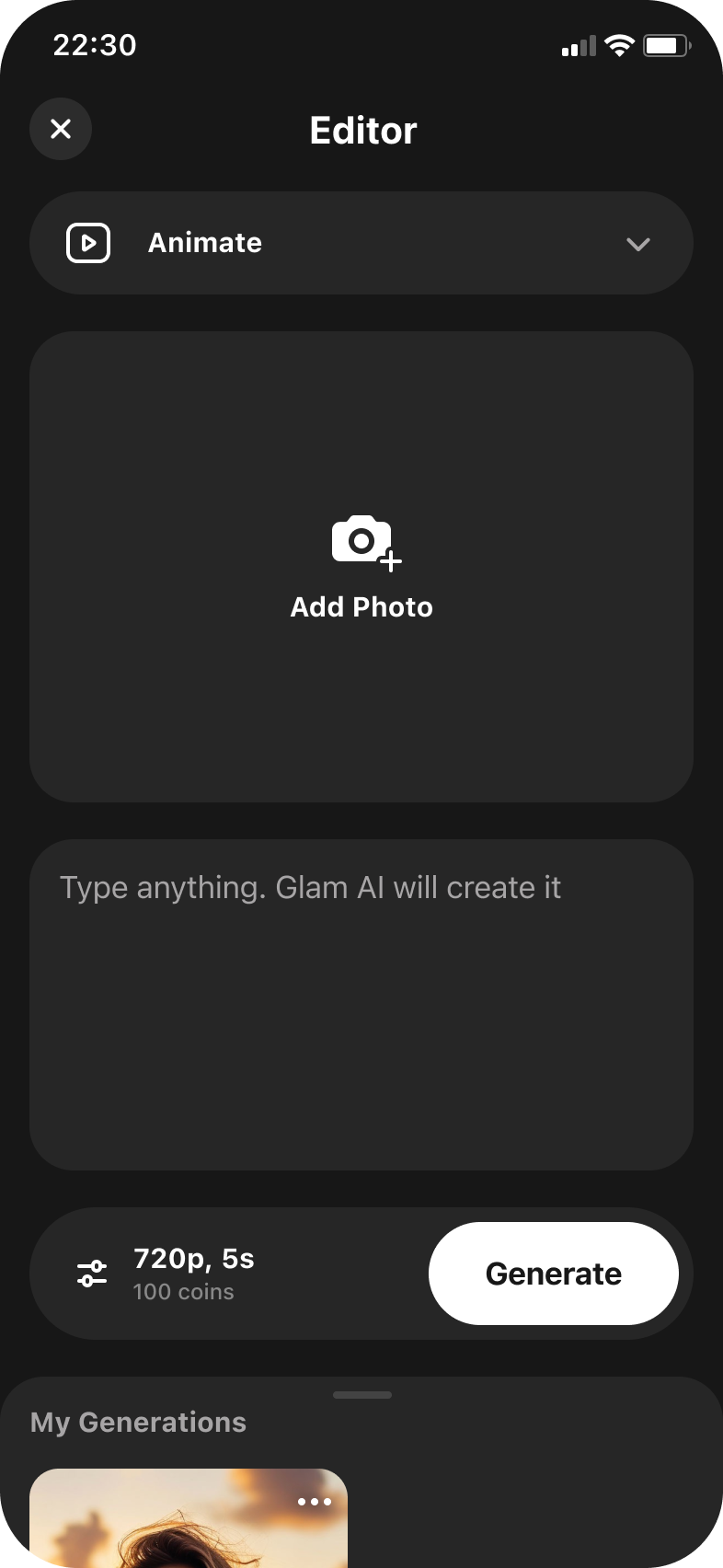
Empty editor
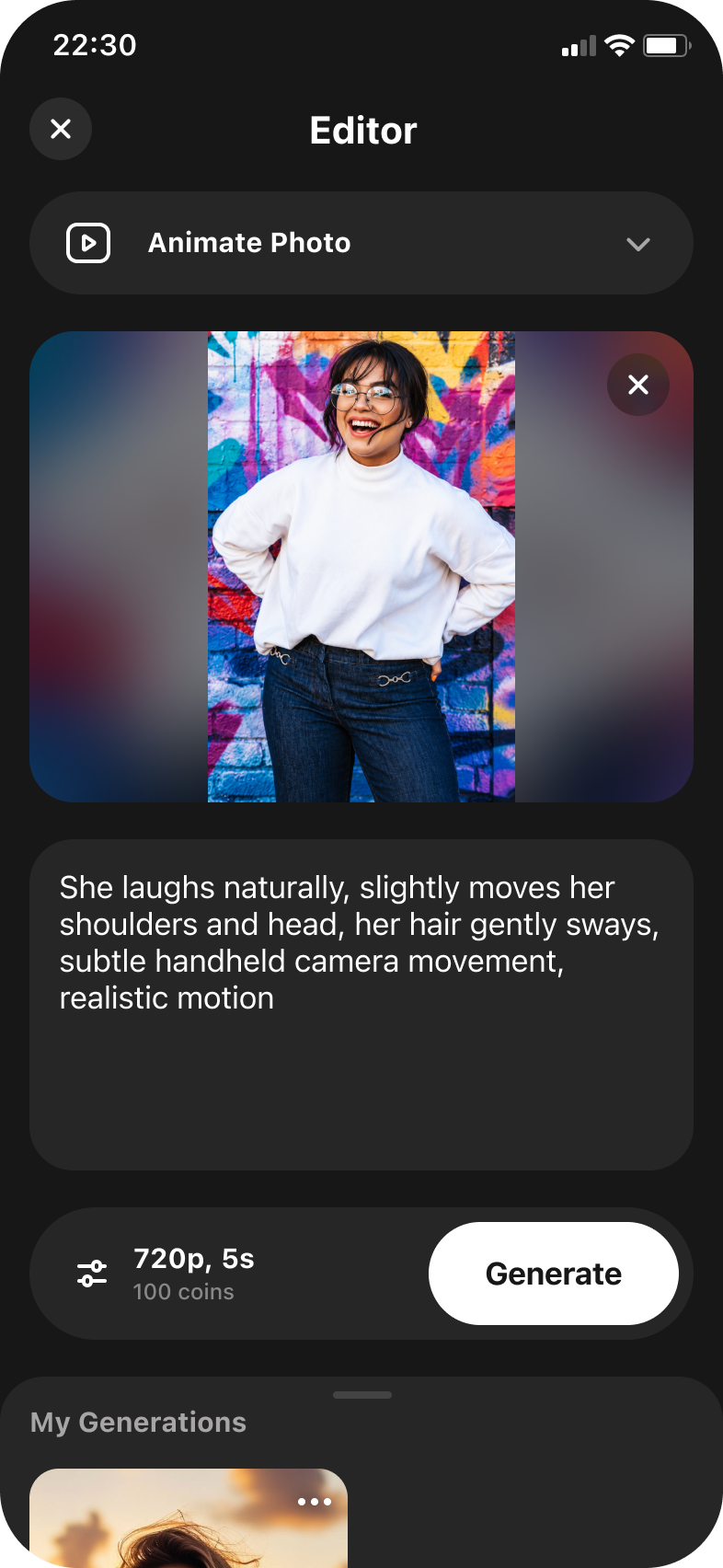
Editor with content
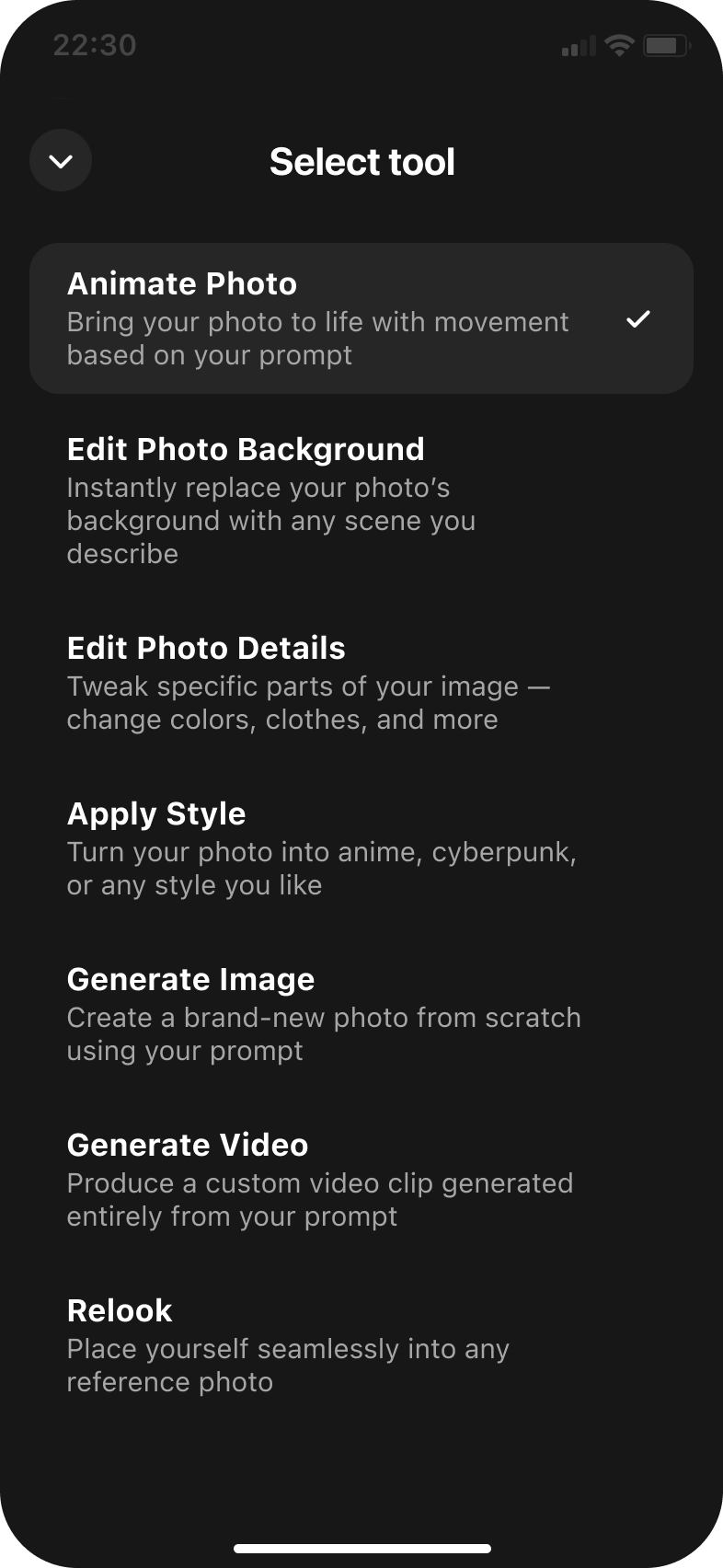
Option selection
Editor became AI Chat (mid-2024)
In early 2024, I proposed evolving Editor into an AI Chat that could handle any creative request. Users could simply describe what they needed—edit a photo, create a video, enhance quality, upscale an image, or launch another AI workflow. The system would identify the intent, build the prompt, and select the right pipeline. At the time, this approach was not yet standard: even full conversational editing of uploaded images only arrived in ChatGPT later, in 2025.
We quickly validated the concept with an internal Telegram bot, then launched the first in-app version of Chat.
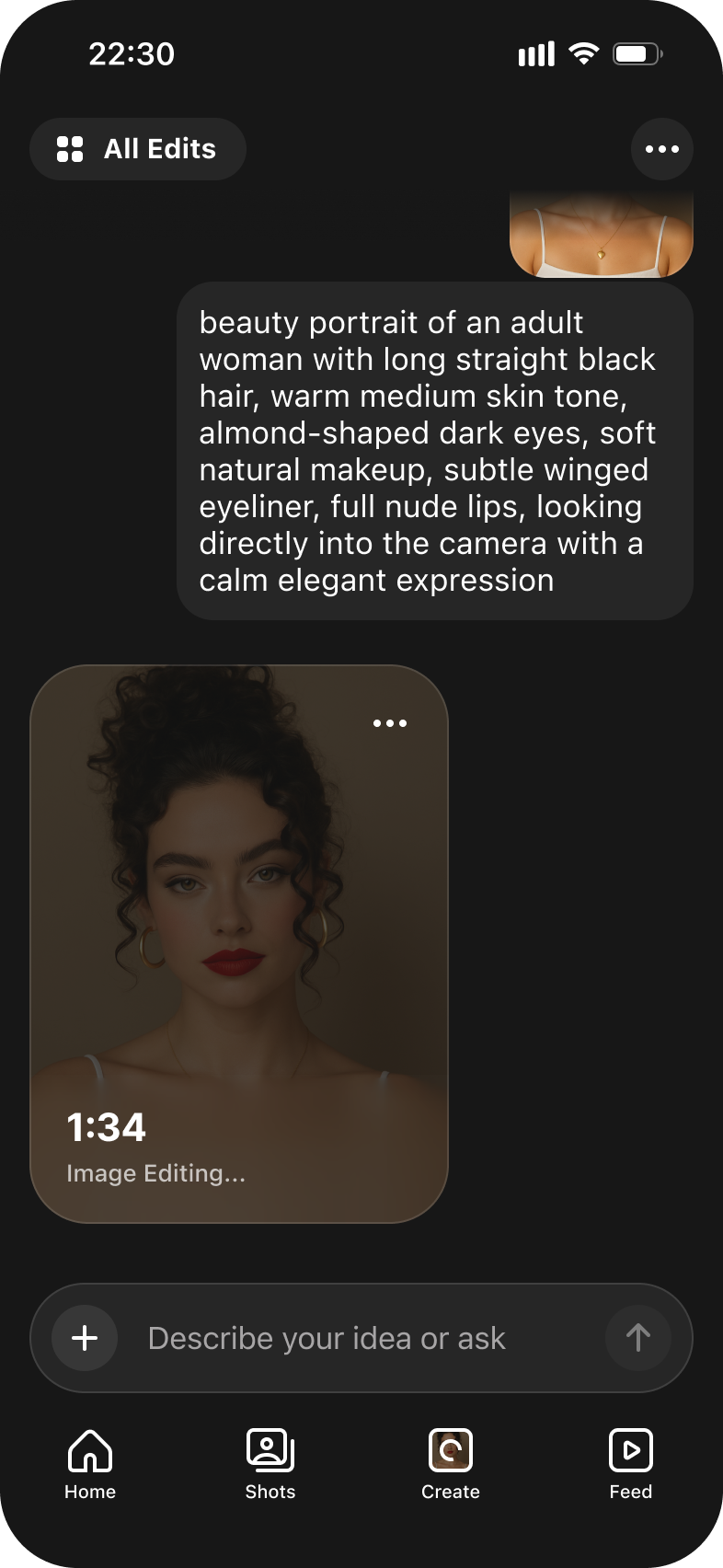
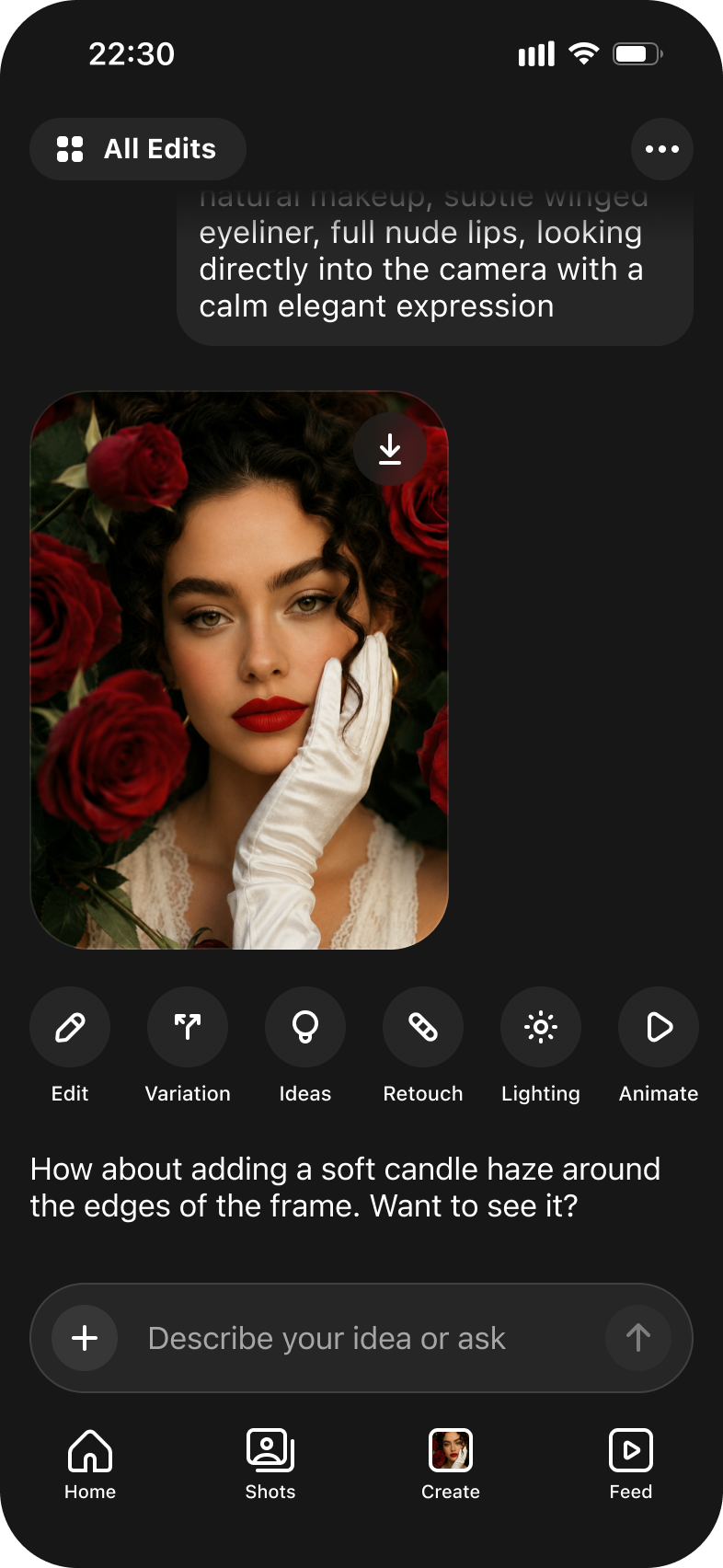
The focus shifted to retention, with AI Chat becoming a key initiative
In 2026, the company shifted its focus from rapid growth to retention. The data showed that Chat users returned at significantly higher rates on D7, D14, and D30. I took ownership of the initiative and began driving its metrics independently: identifying growth opportunities, shaping hypotheses, and launching product improvements. Chat gained a wide range of new capabilities.
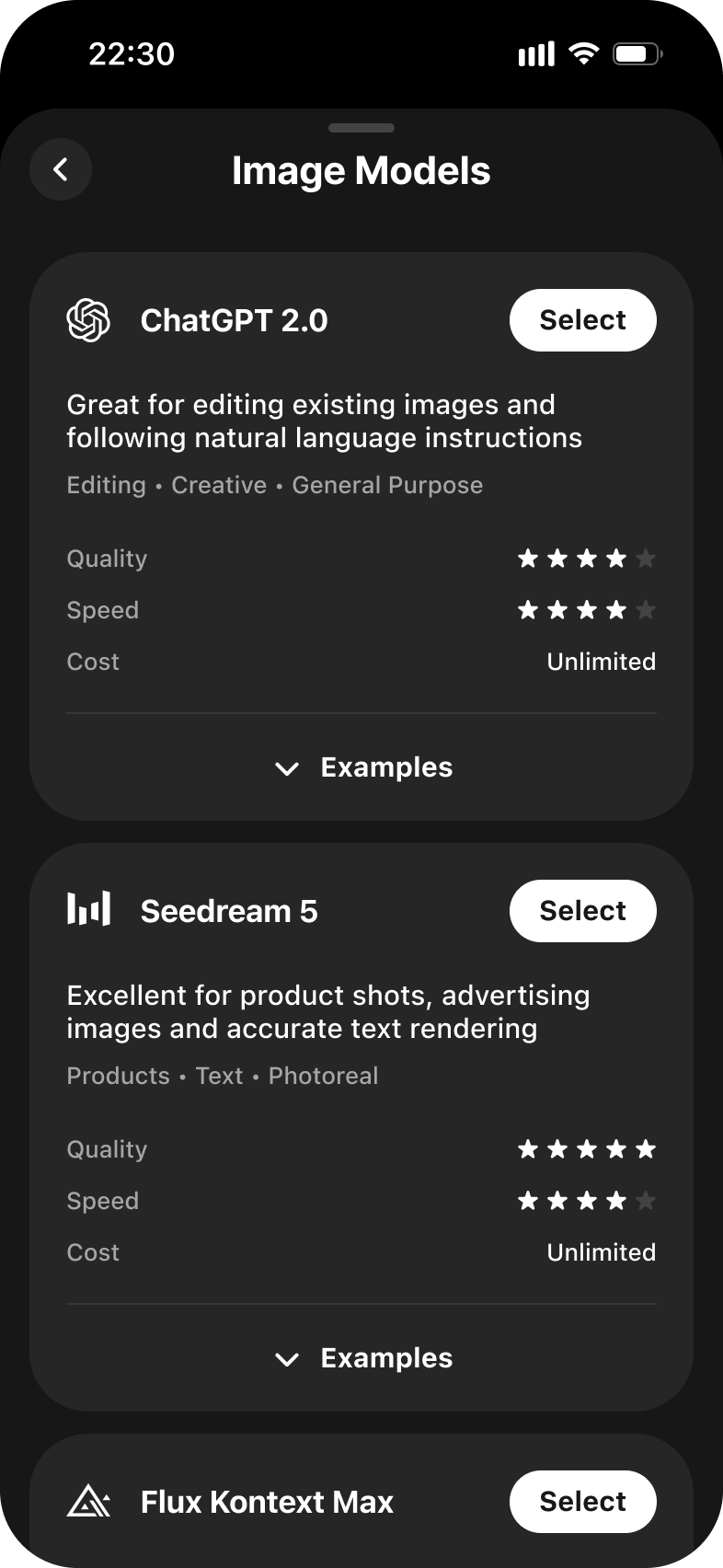
Model selection and comparison
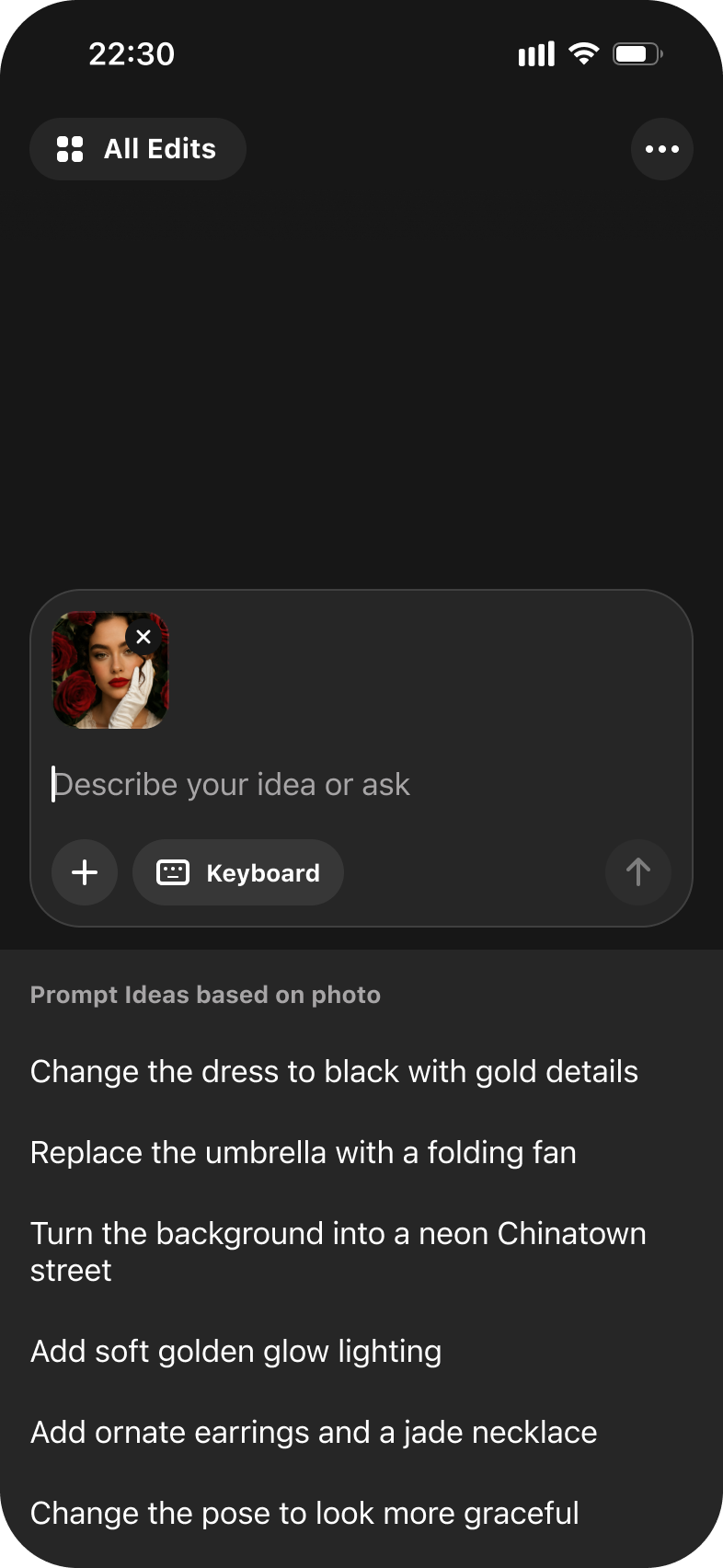
Idea generator
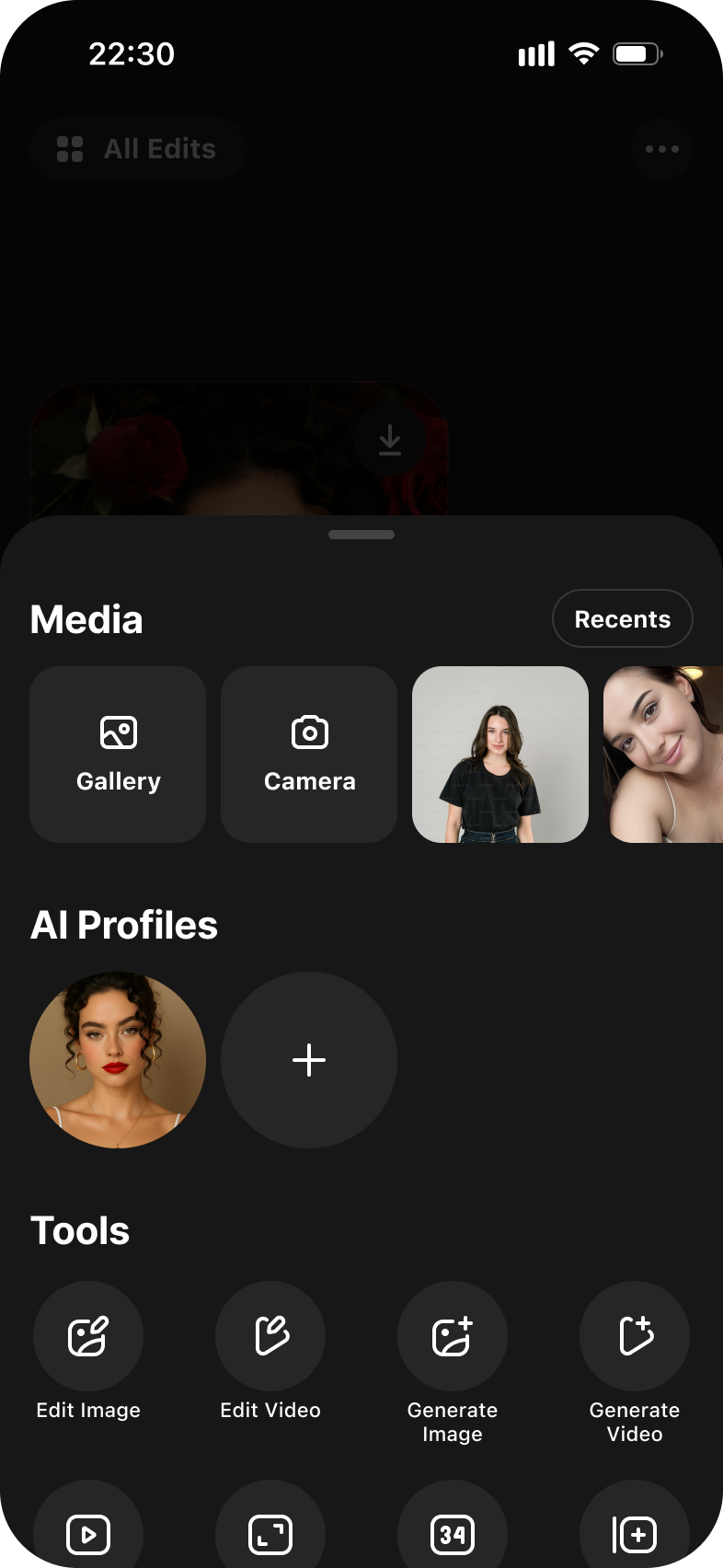
Choosing options in Chat
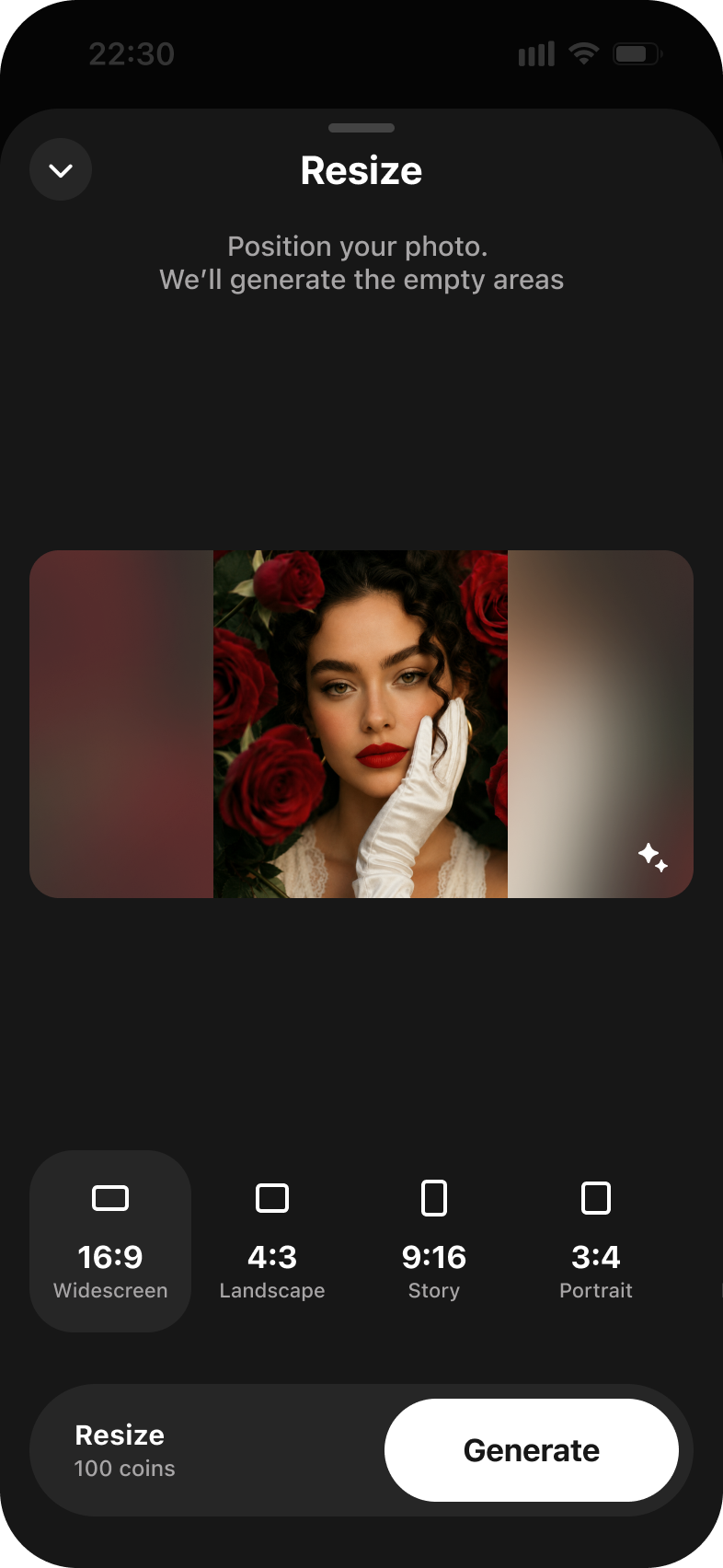
One of the options
AI Chat as part of the funnel
I redesigned the flow so that after creating a viral effect, users received the result directly in Chat. Chat immediately suggested ways to refine the image, letting them continue editing in the same place. A one-off filter became their first introduction to Chat, gradually revealing that it could handle not just one specific use case, but virtually any photo or video task.
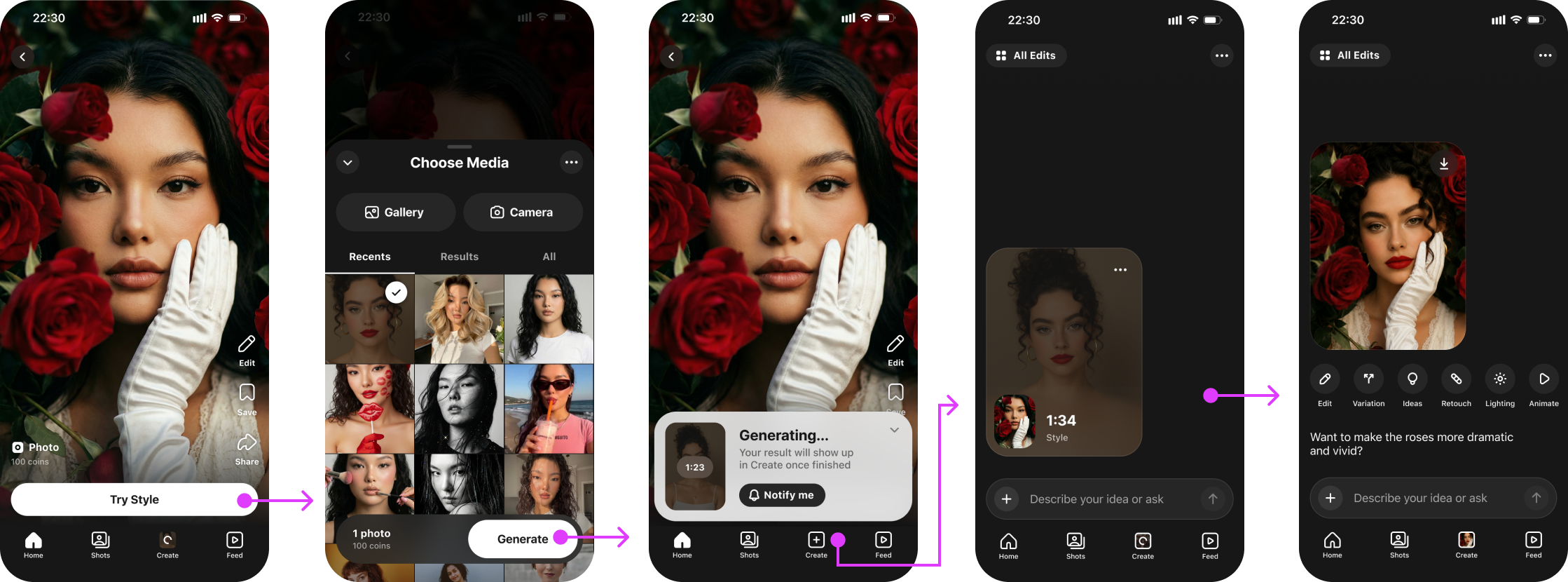
The funnel creates a smooth, seamless transition from an effect into Chat
Dreamcam
Platforms
Web · VR
Role
Lead Product Designer
Period
2021 - 2023
An adult live-streaming platform designed for viewing content in VR.
The primary product was a WebXR experience that ran directly in a VR headset browser, while the web version made the platform accessible without VR.
I joined Dreamcam at an early stage, when most of the product existed as engineering prototypes. I designed the user interface and the platform’s visual language from scratch.
I was responsible for the WebXR and web experiences, the performer dashboard, a learning hub, partner marketing materials, and the product’s overall visual direction. I collaborated with a PM on some areas and led the performer dashboard independently, combining product and design responsibilities.
I also managed a second designer who worked on the Windows broadcasting app, tools for partner studios, and the hardware line, including cameras and packaging.
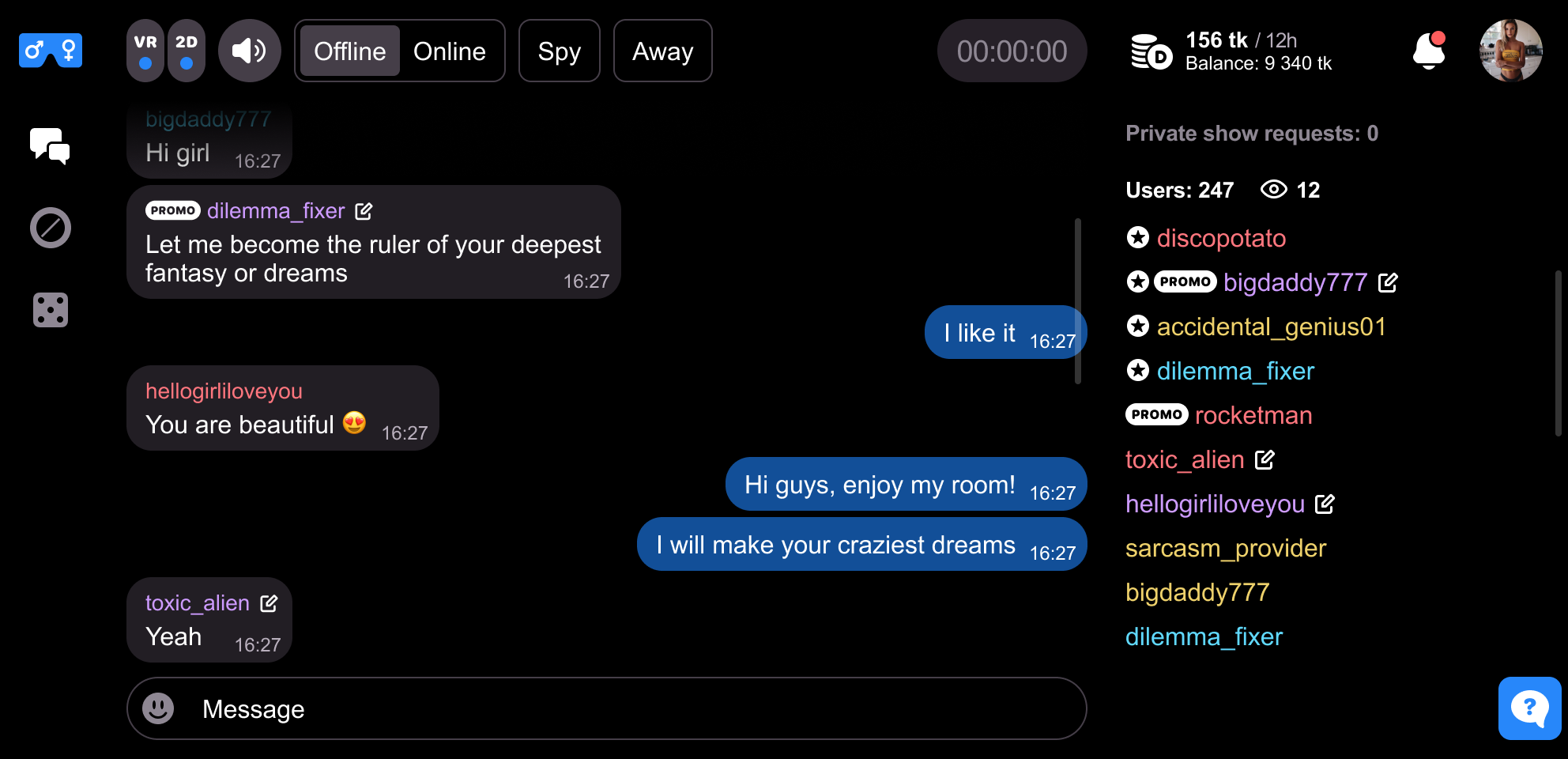
Main page for communicating with users
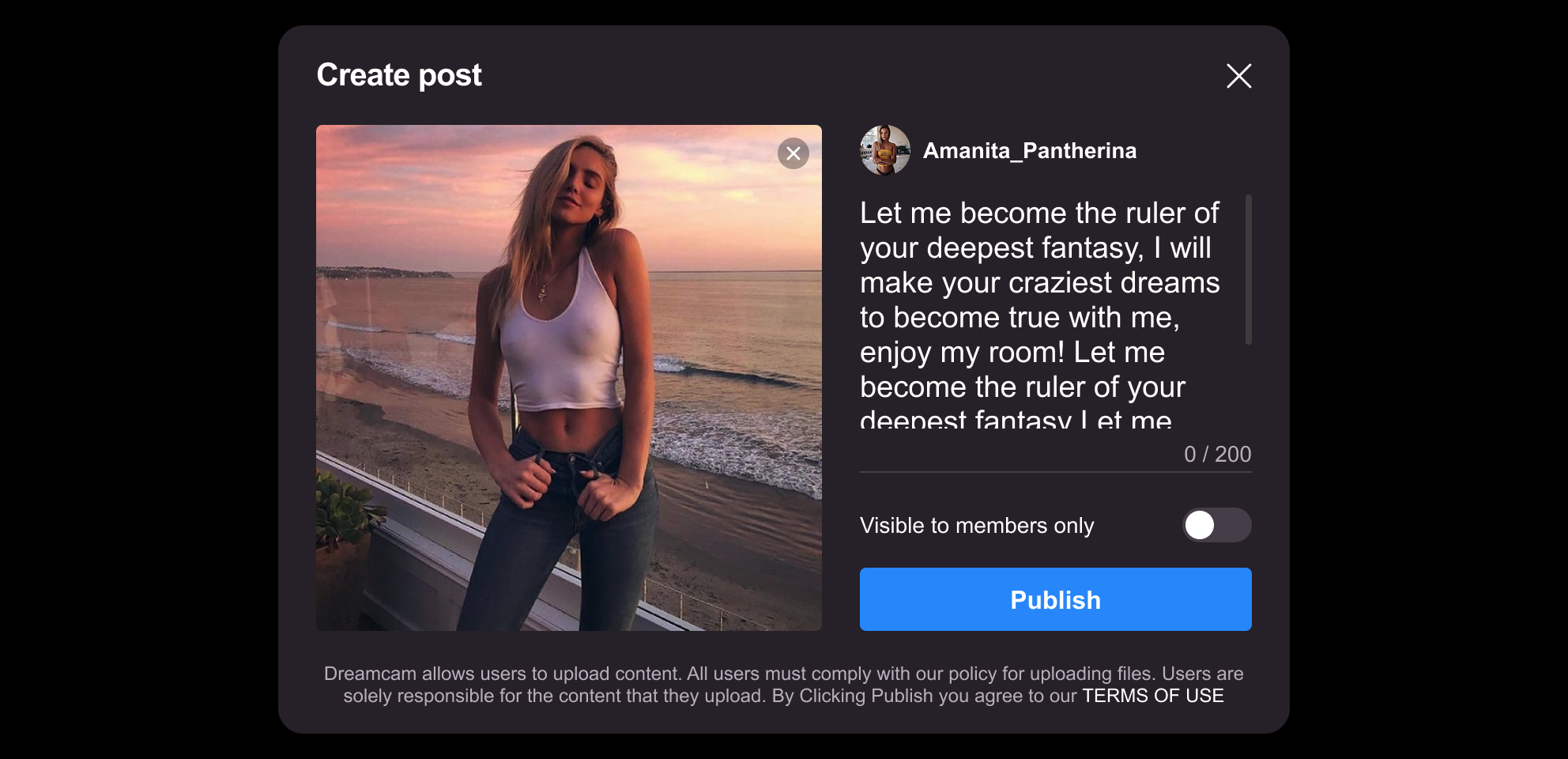
Creating a post
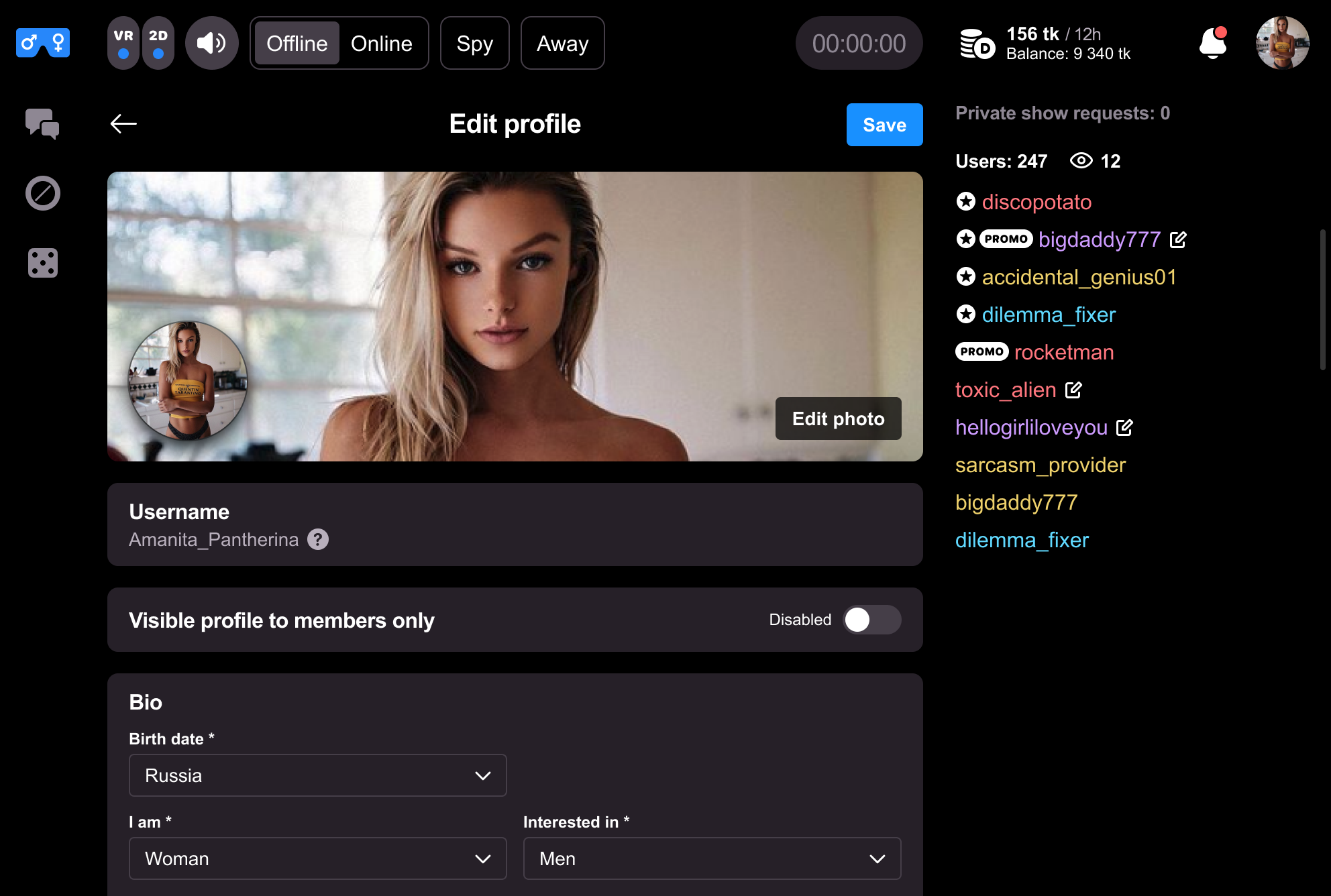
Editing the profile
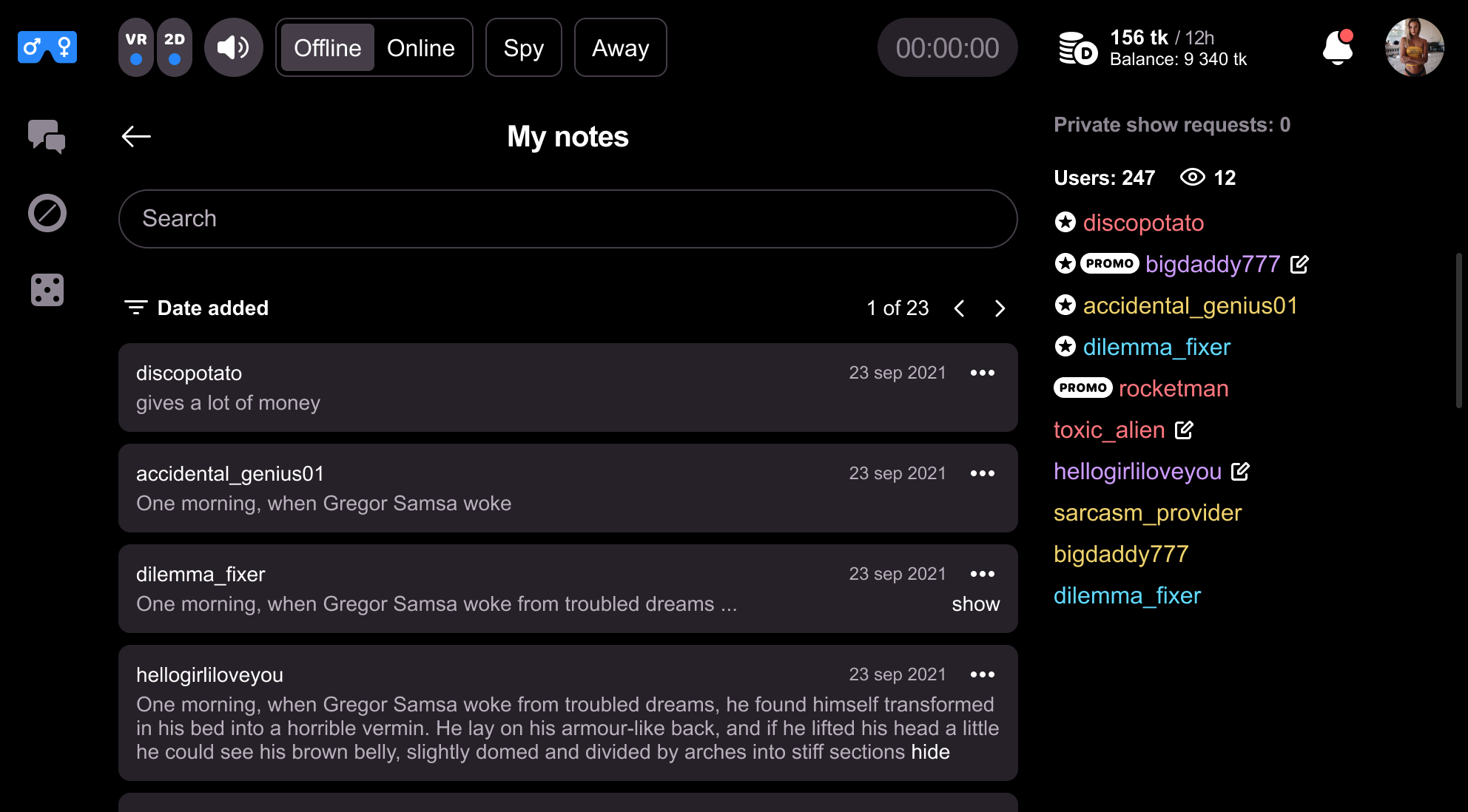
User notes—an important feature in this market

Screen map
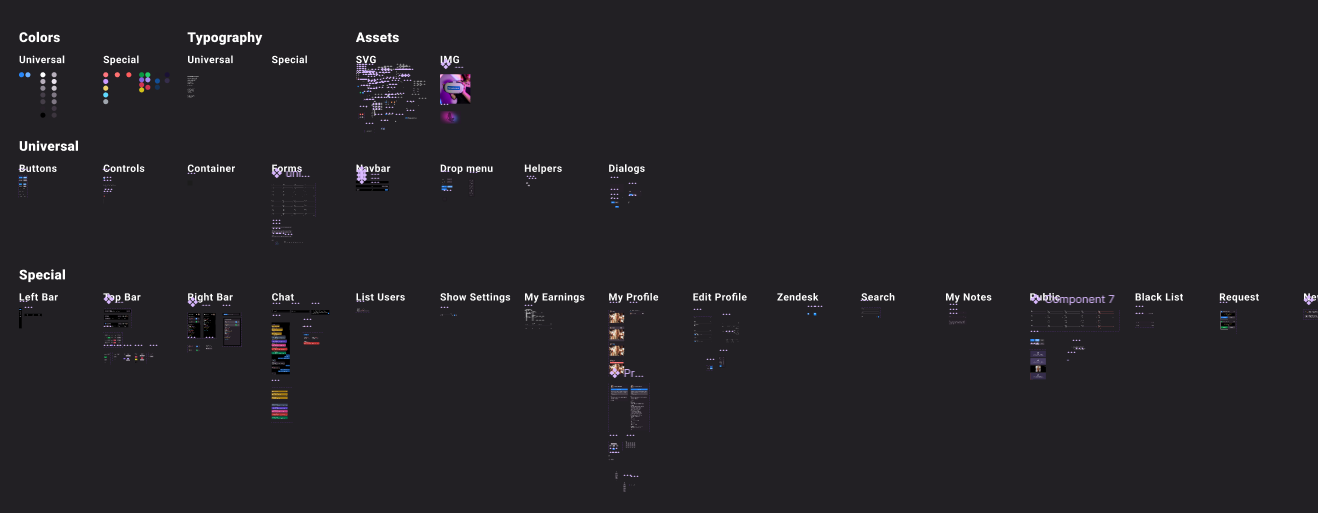
UI kit structure
Web experience
An additional way to use Dreamcam without a VR headset. In a standard browser, users could discover broadcasts, watch streams, interact with performers, and access the platform’s core features.
I designed the web interface and adapted the key VR workflows to familiar desktop interaction, with its own navigation, structure, and control logic.
Experimental paywall variations
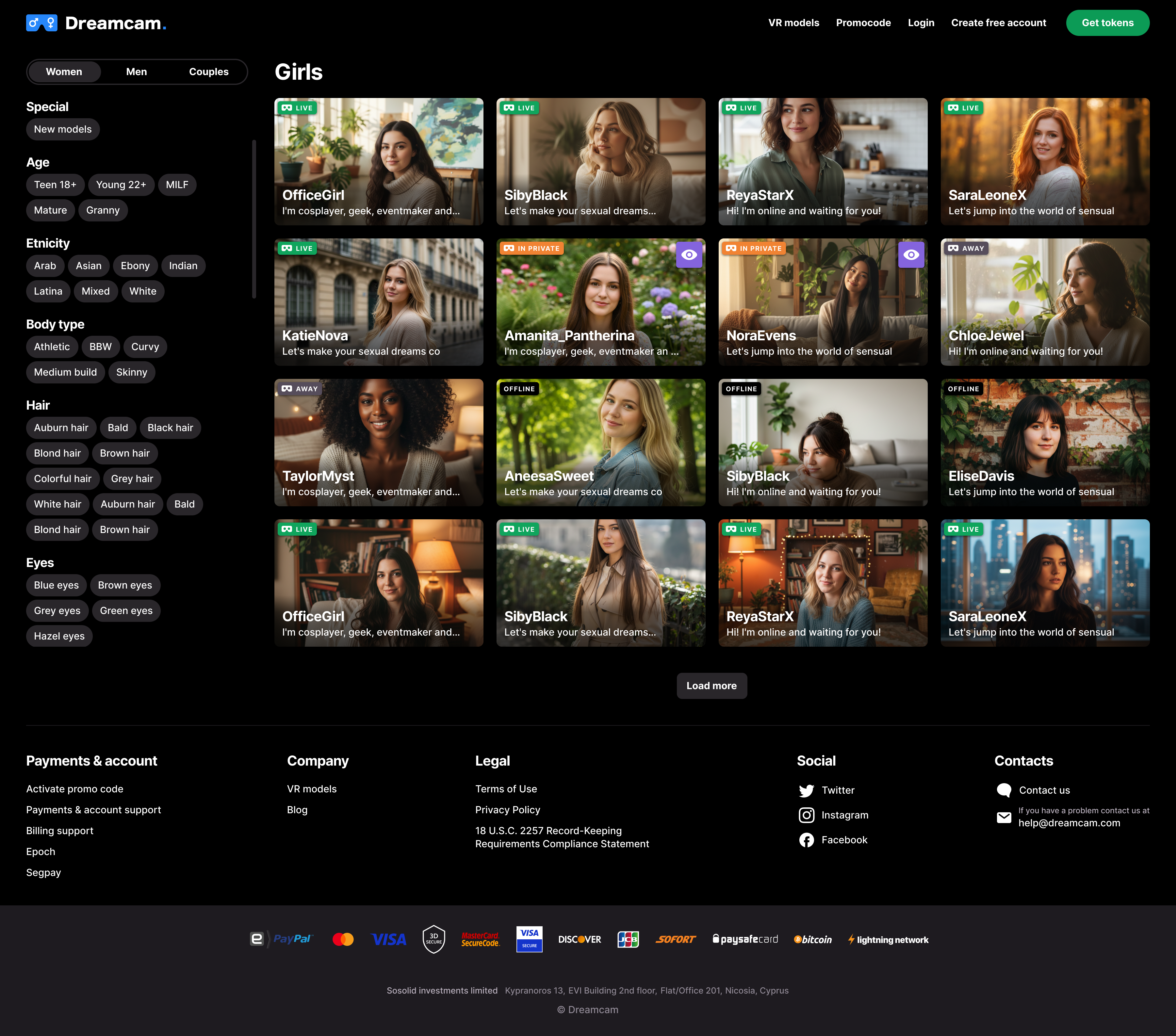
Streams page
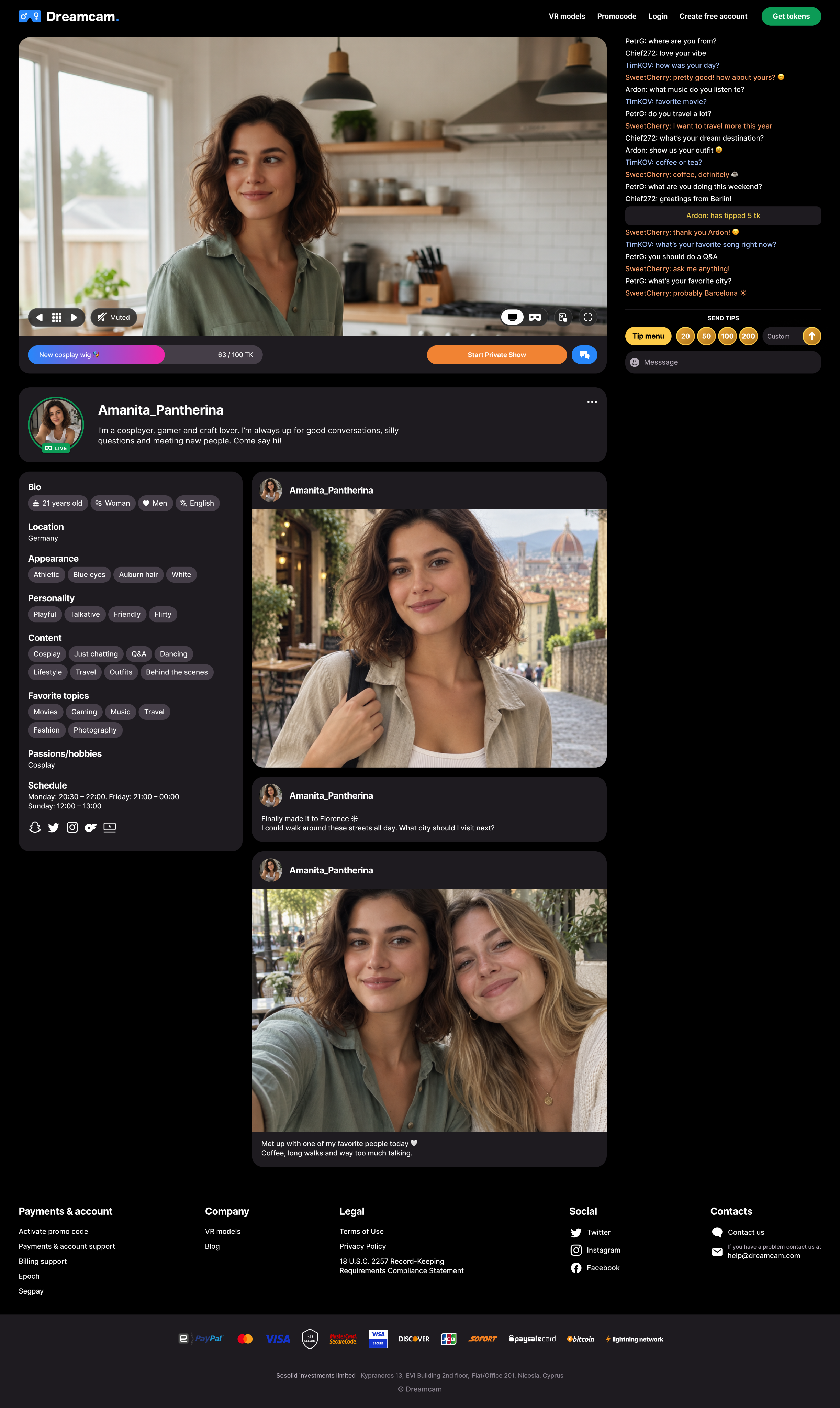
Stream page
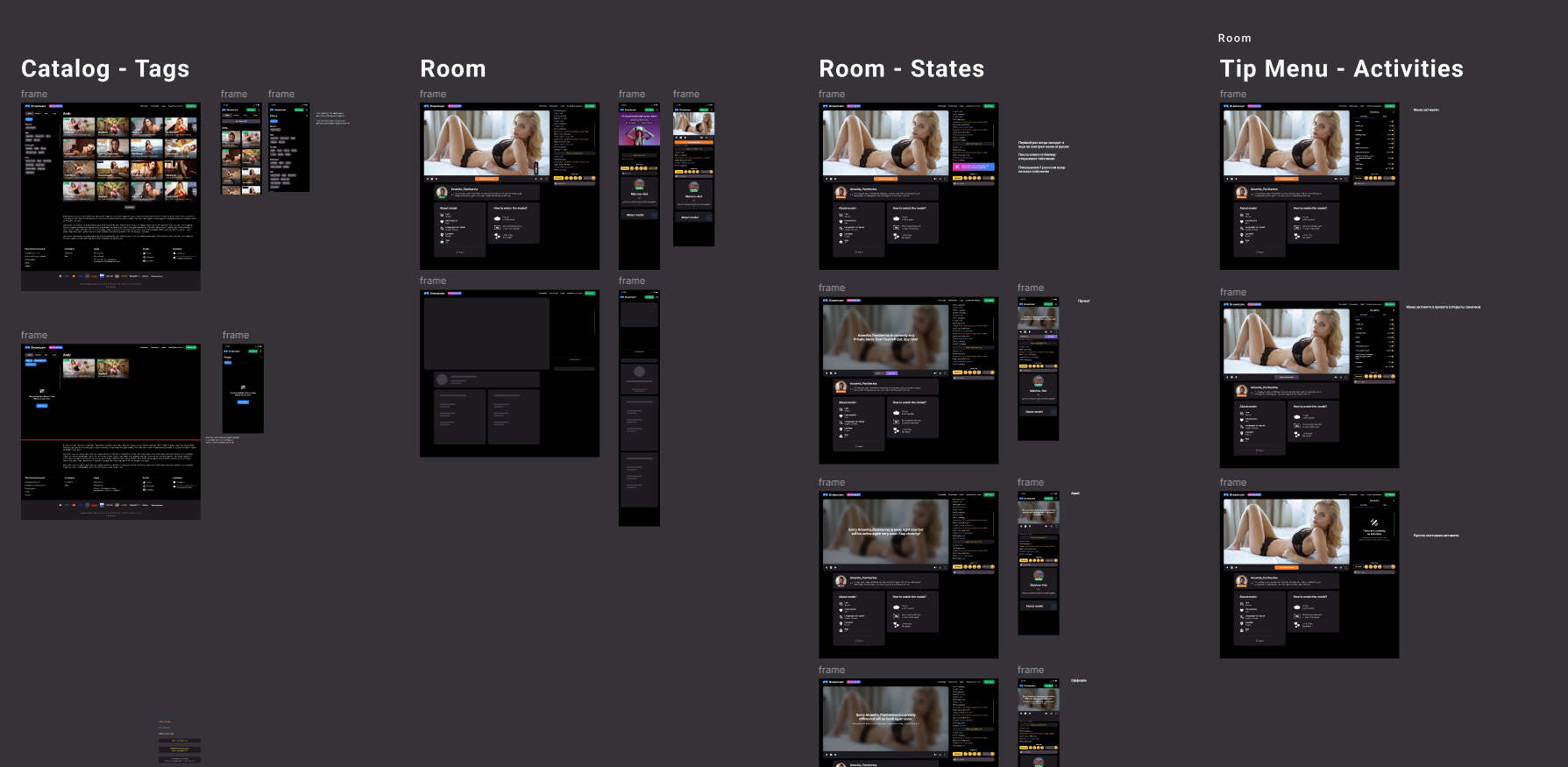
Interface overview
WebXR
For VR, I designed the entire core user experience: from navigation and stream discovery to viewing content, interacting with performers, and completing payments.
The interface used flat panels positioned around the user at different depths and angles. Beyond designing the screens themselves, I had to define their spatial placement, hierarchy, and how the interface unfolded around the user across different scenarios.
Experimental paywall variations

Interface overview

Stream prototype
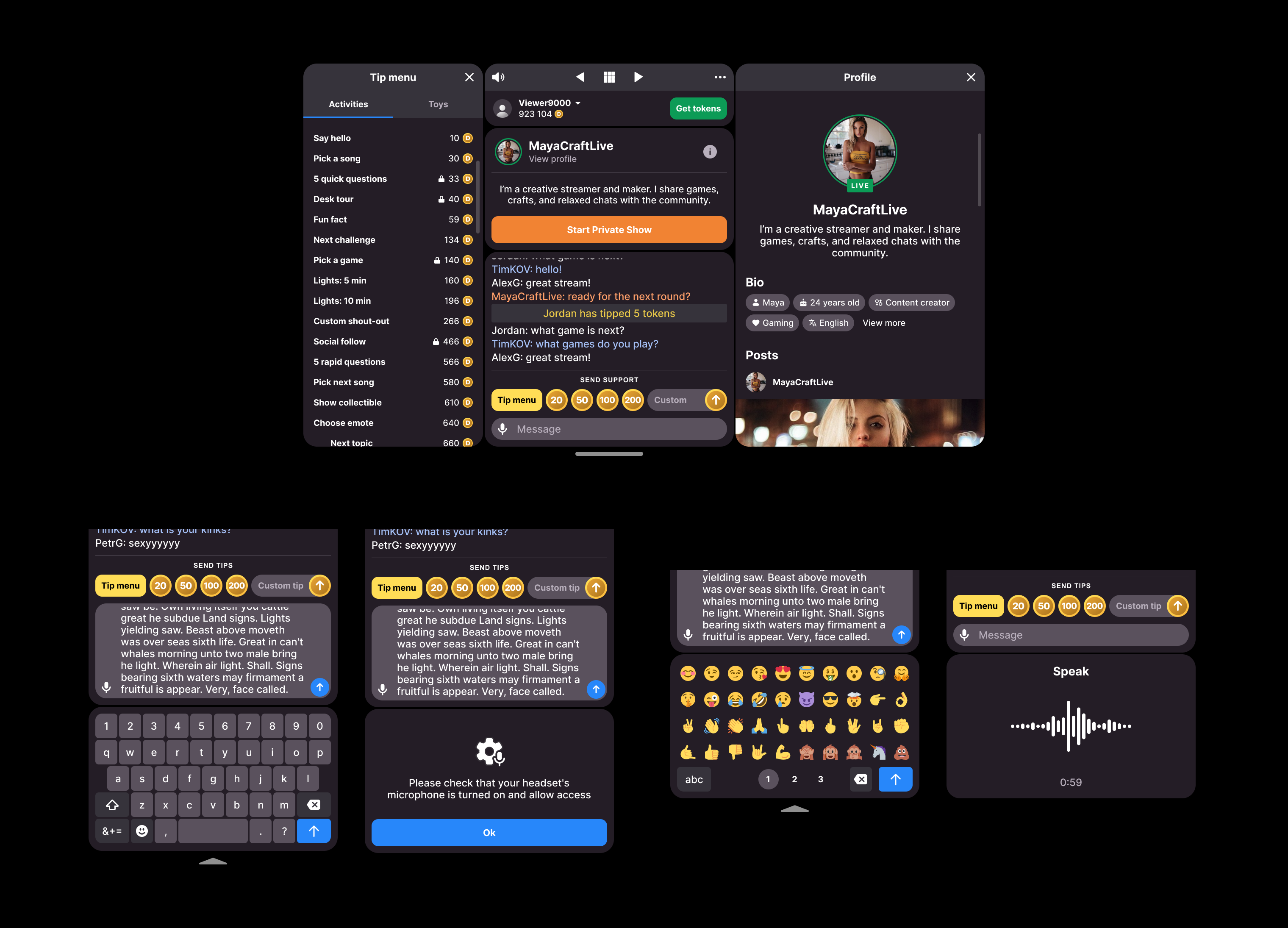
Various controls
Additional products
In addition to the core interface, I designed related products for different audiences, including a learning hub for performers and promotional landing pages for partner acquisition.
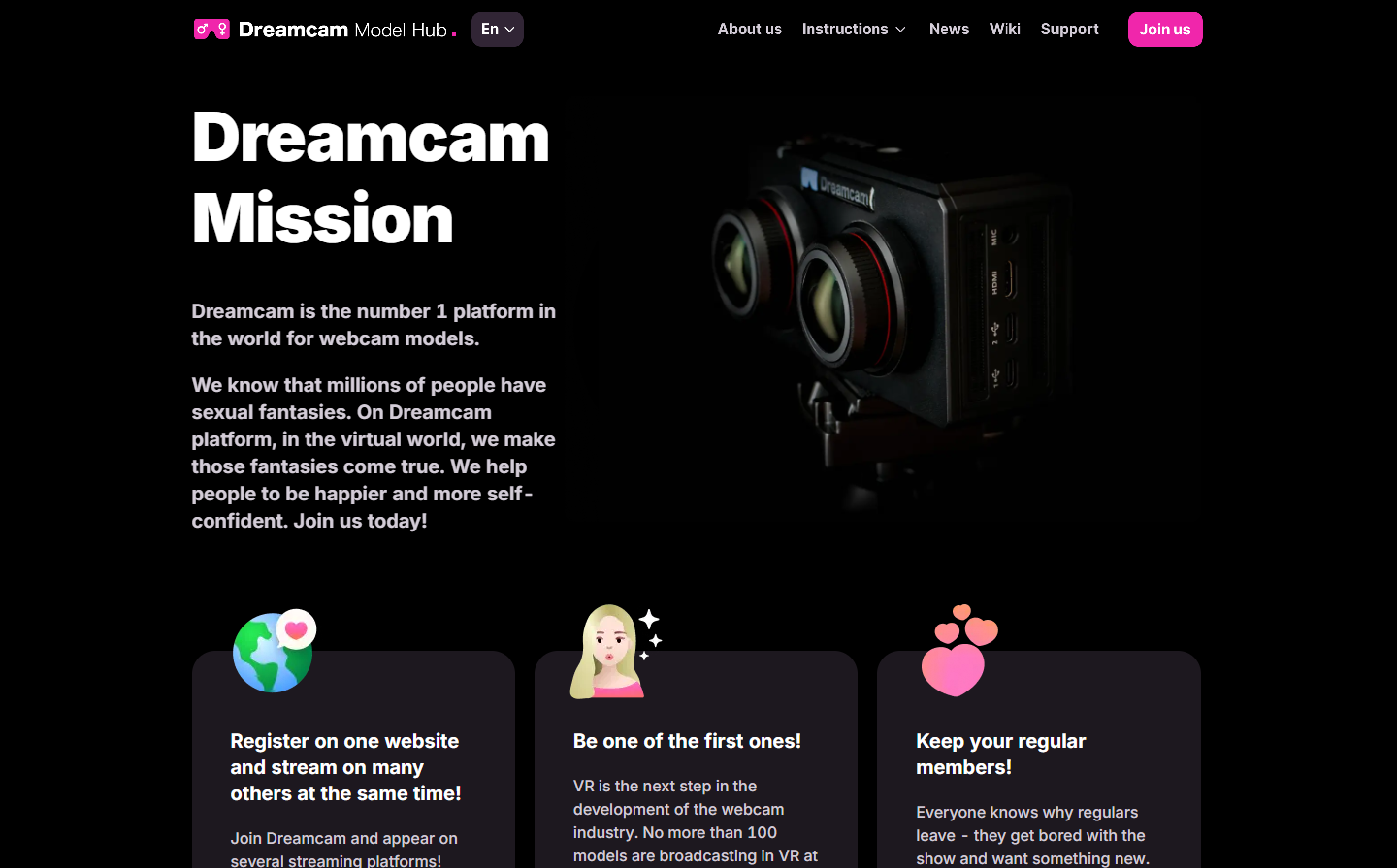
Promotional site and performer guide

Promotional sites for partners
Yasno

Platforms
Web · iOS · Android
Role
Product Designer
Period
2016 - 2021
A full-service agency that delivered end-to-end digital products for clients, primarily mobile apps, web services, and e-commerce.
I was responsible for product design and typically joined projects from the very beginning. I explored the problem, shaped the structure, and designed the product.
Below are a few of the projects I worked on.
Motosurfing
Web · 2020
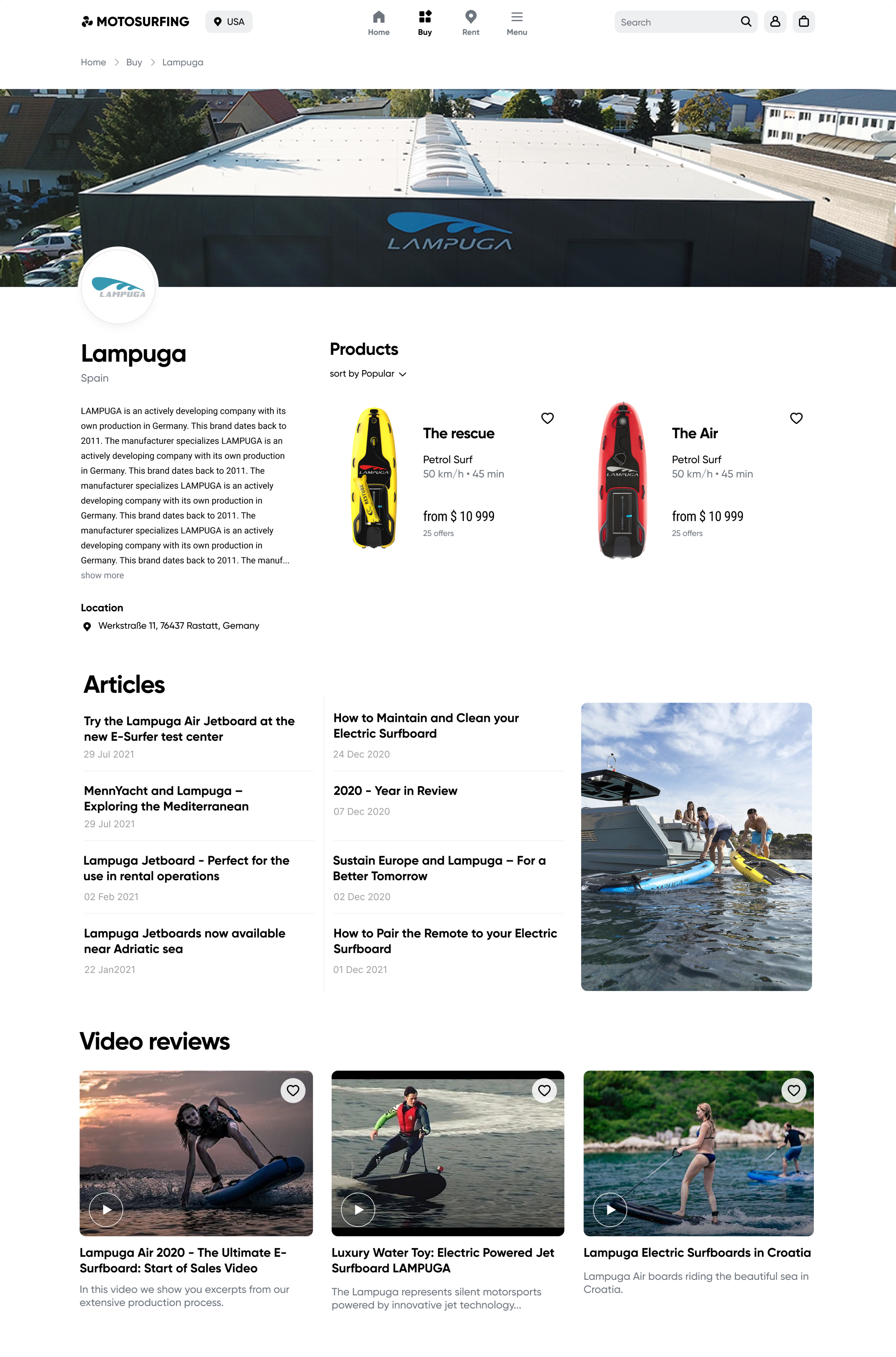
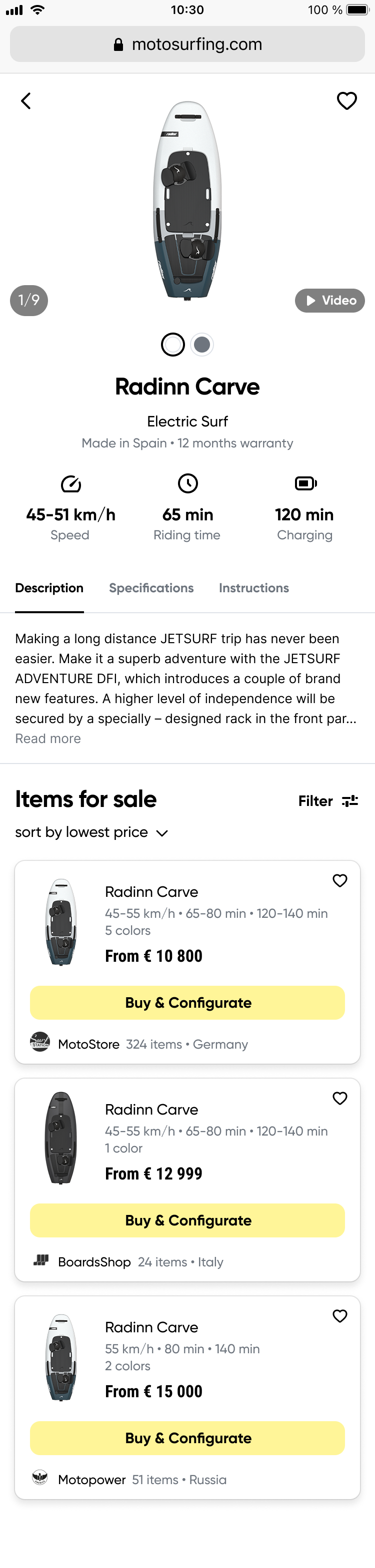
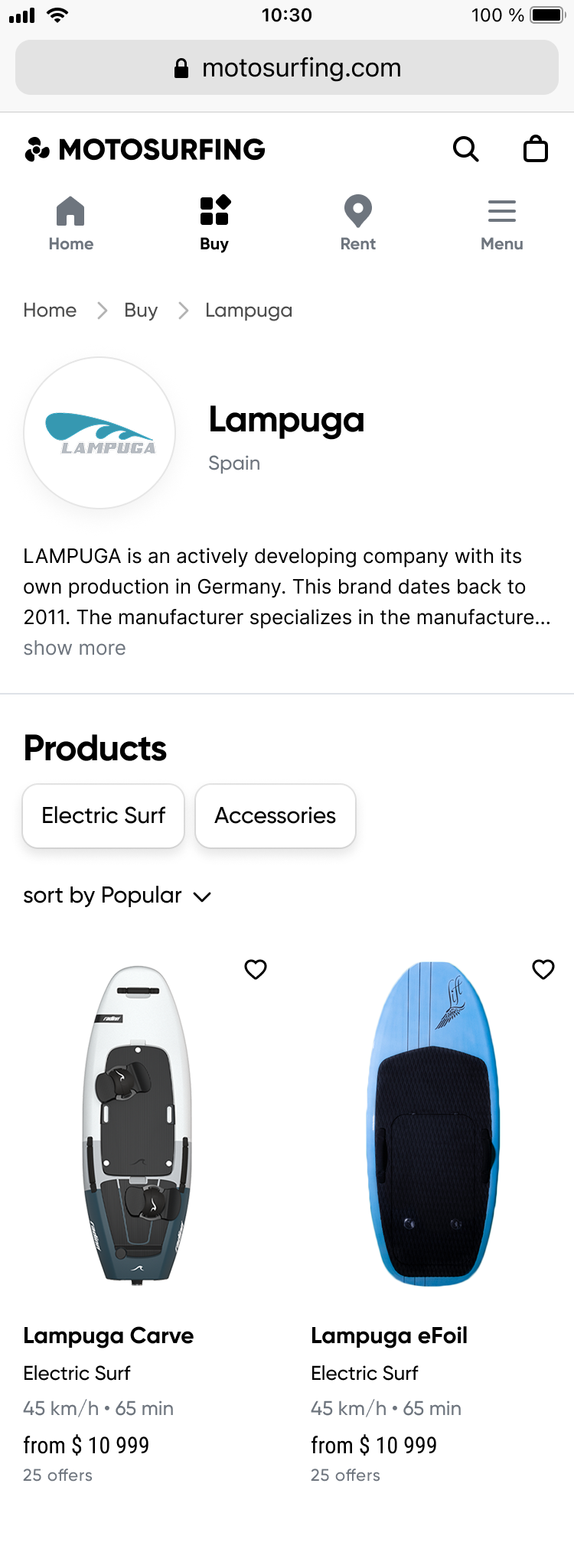
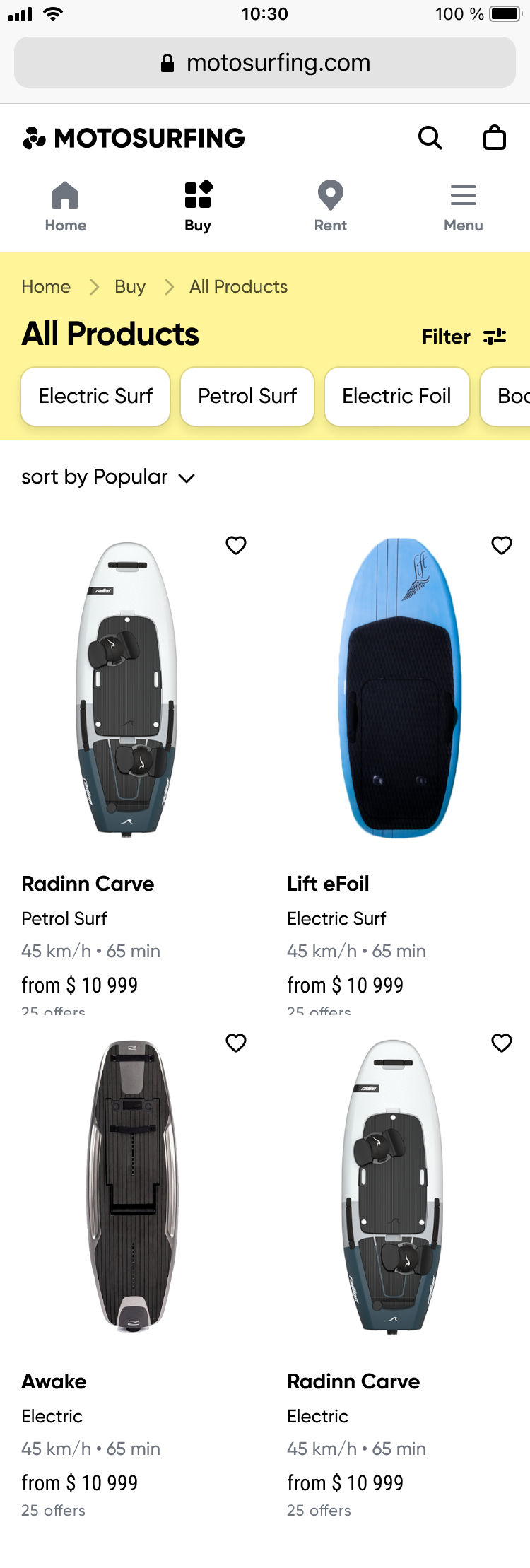
An online store for recreational water sports equipment. Before my involvement, the company had little more than an online product catalog, with most sales happening through social media and messaging apps.
The client wanted not only to launch a full e-commerce store, but also to expand the assortment by bringing other sellers and partners onto a single marketplace. He also wanted to delegate the project almost entirely: rather than spending time defining the structure and details, he expected a complete solution built from scratch.
To understand the business, I studied the products themselves, reviewed manufacturers’ websites, and interviewed the client extensively about his sales process and what mattered to his customers.
From there, I created the site architecture, defined the categories and product pages, mapped the customer journey from discovery to purchase, and designed the full experience from scratch.
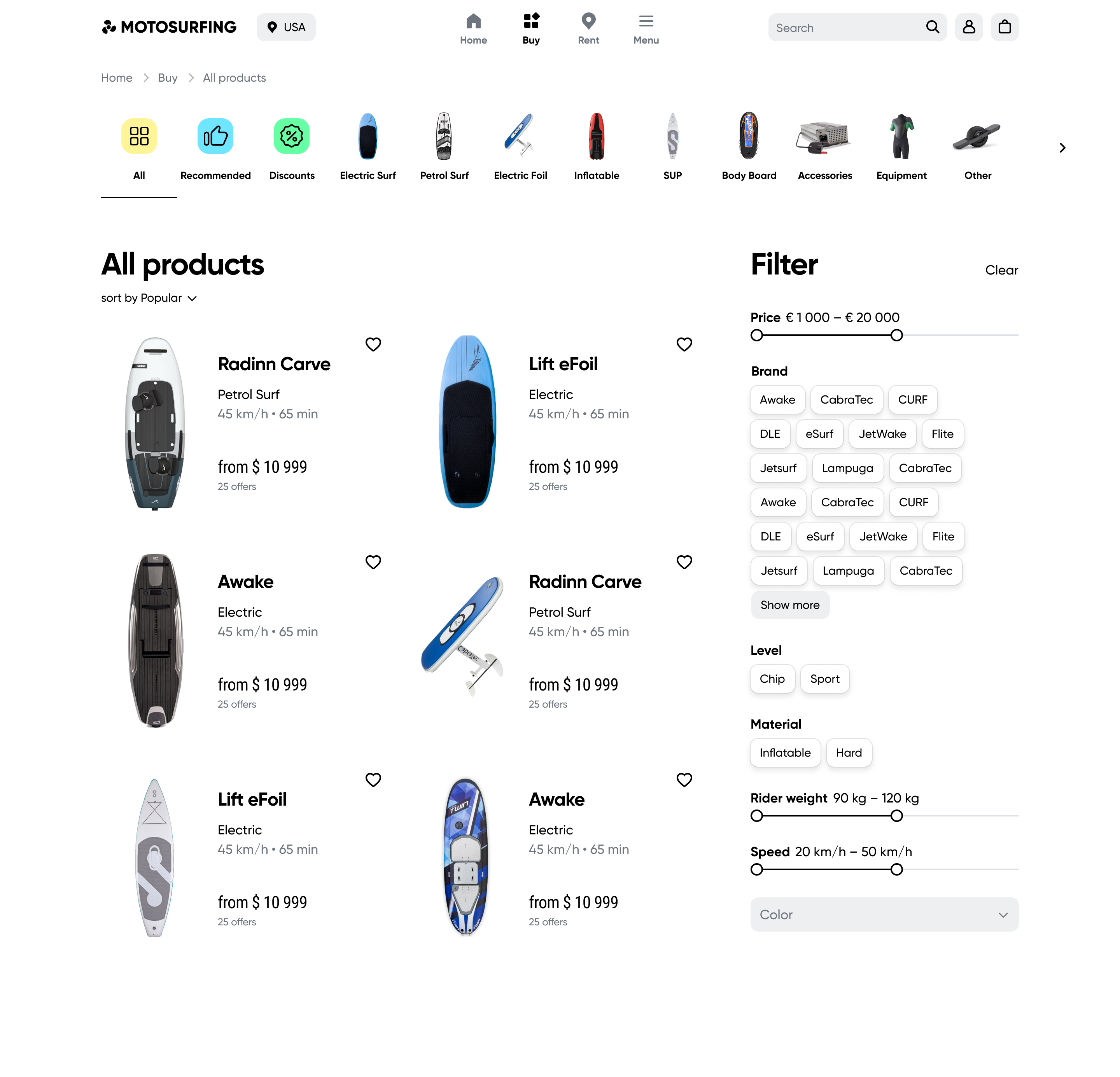
Catalog page
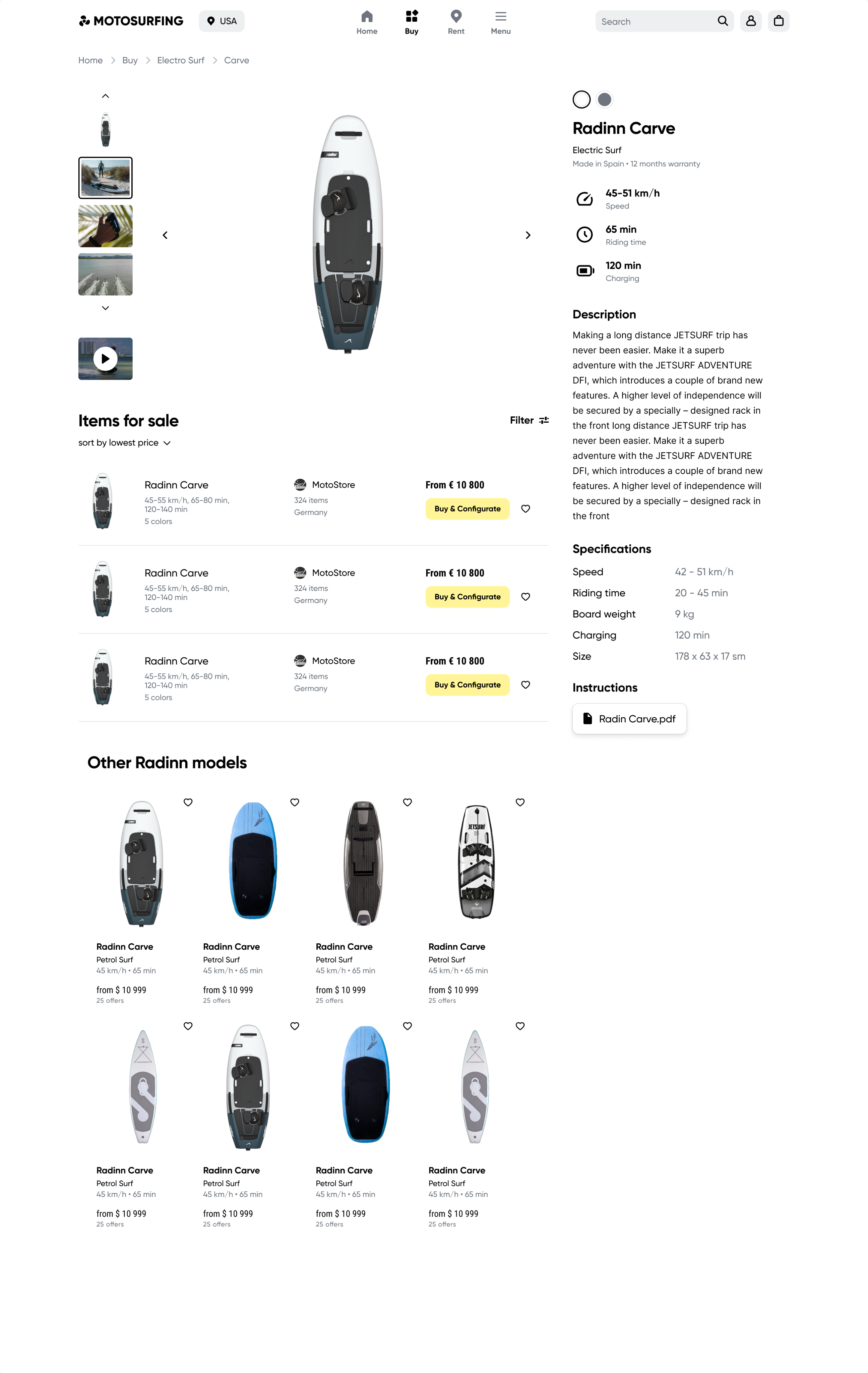
Product page
Brand page
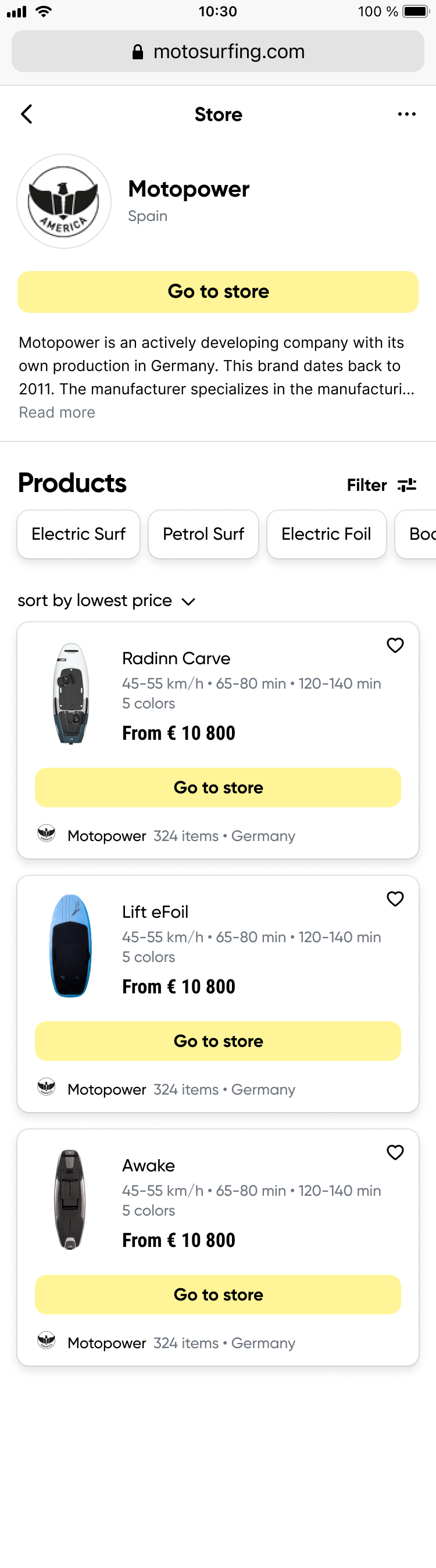
Product catalog
Product page
Brand page
Seller page
uWeMe
iOS · 2020
A social app for finding people and activities nearby.
The experience centered on local events created by users.
I designed the entire product from scratch, including its core flows, information architecture, and app interface.
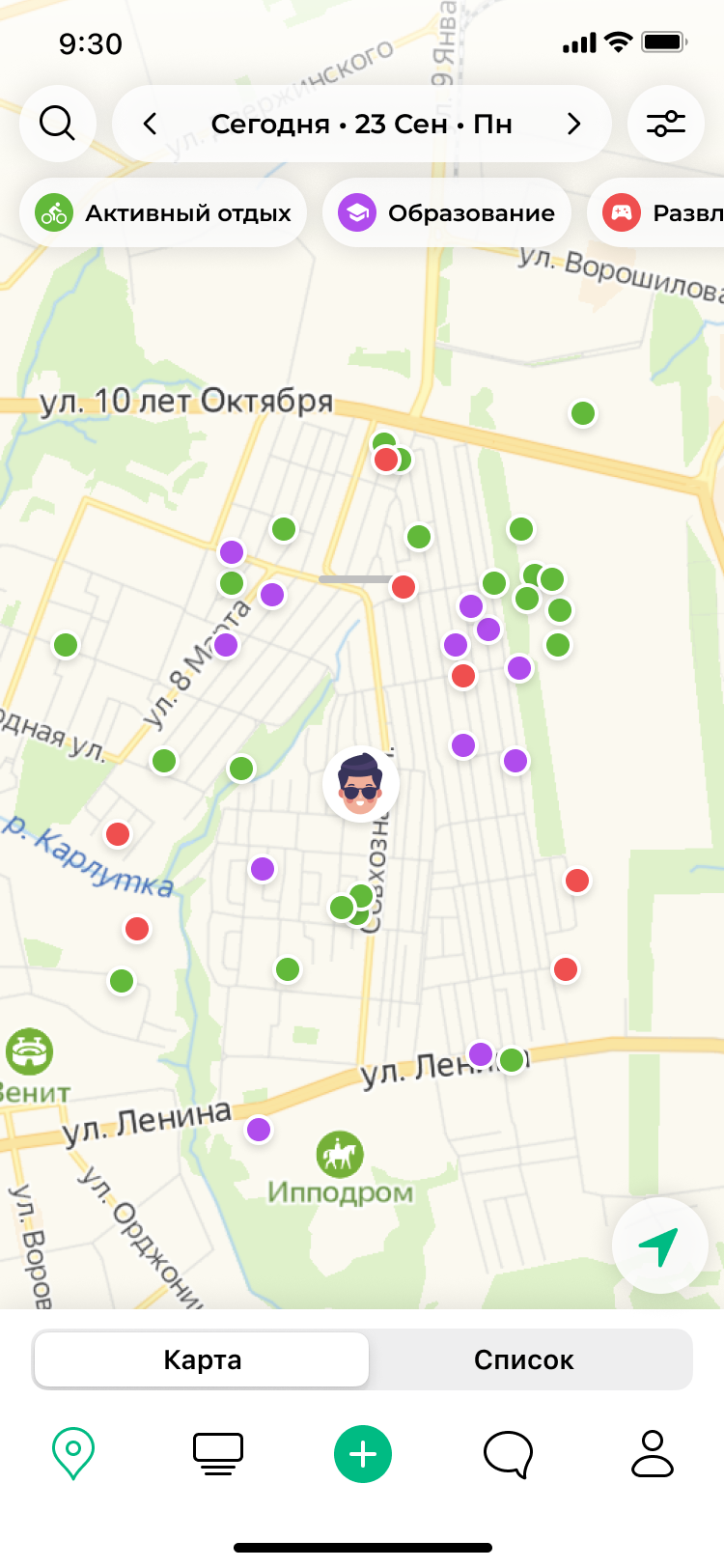
Finding an event on the map
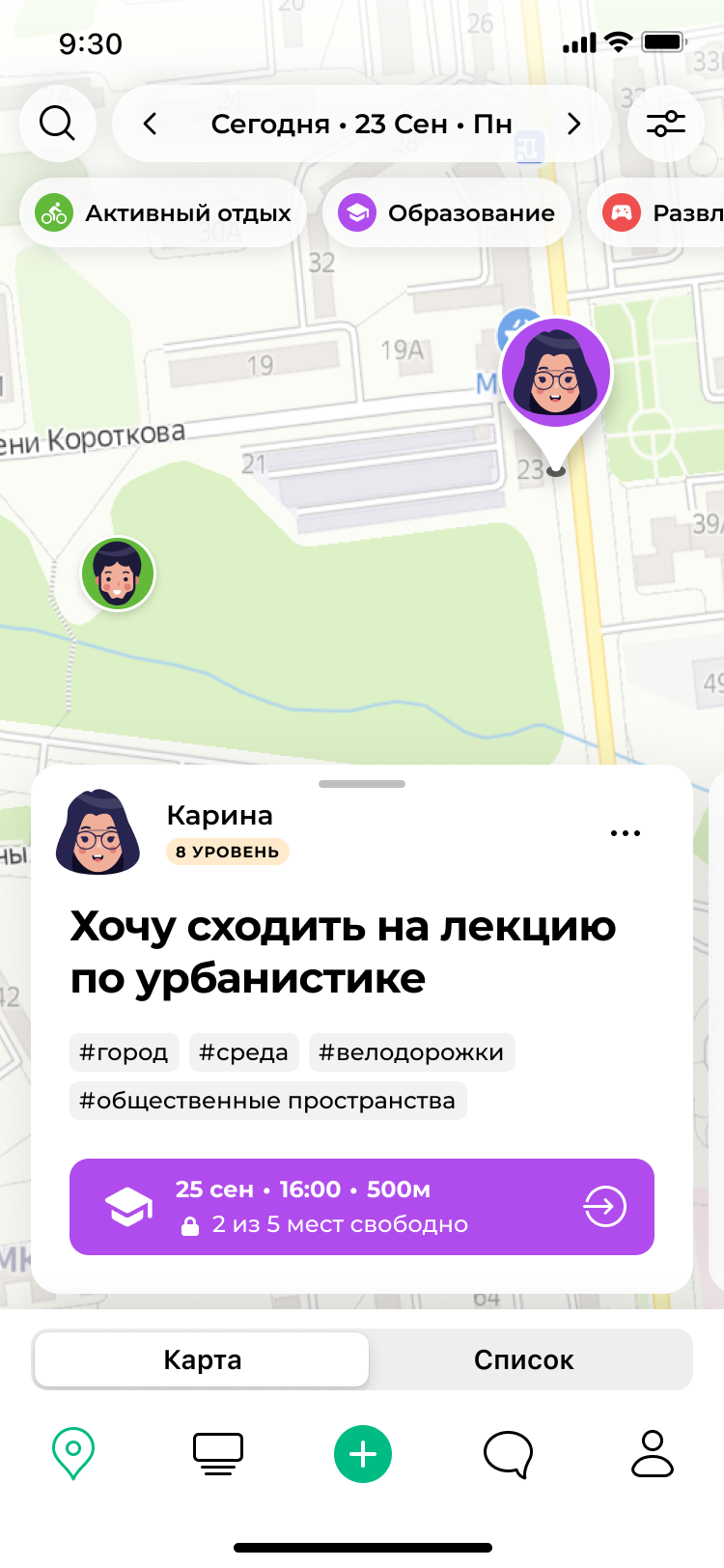
Selected event on the map
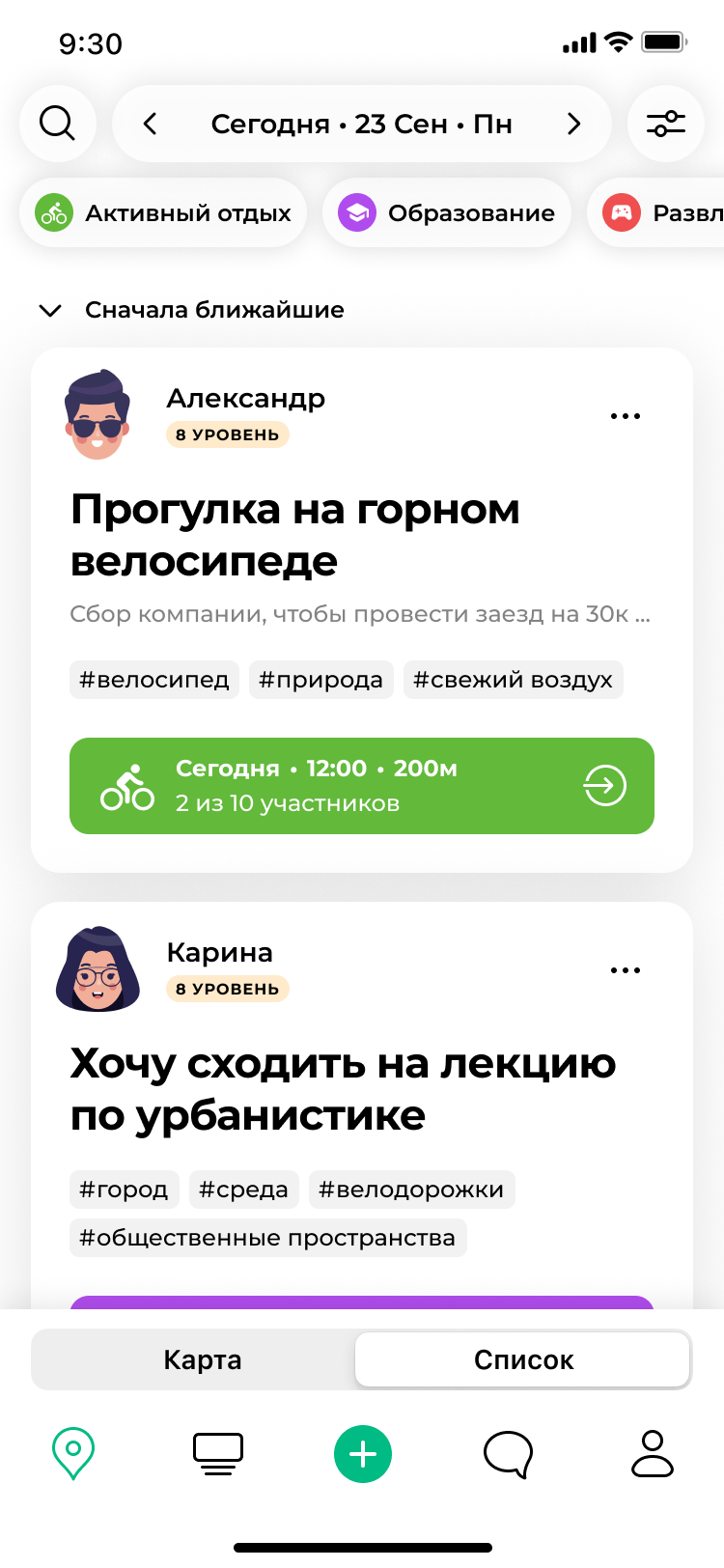
Browsing events as a list
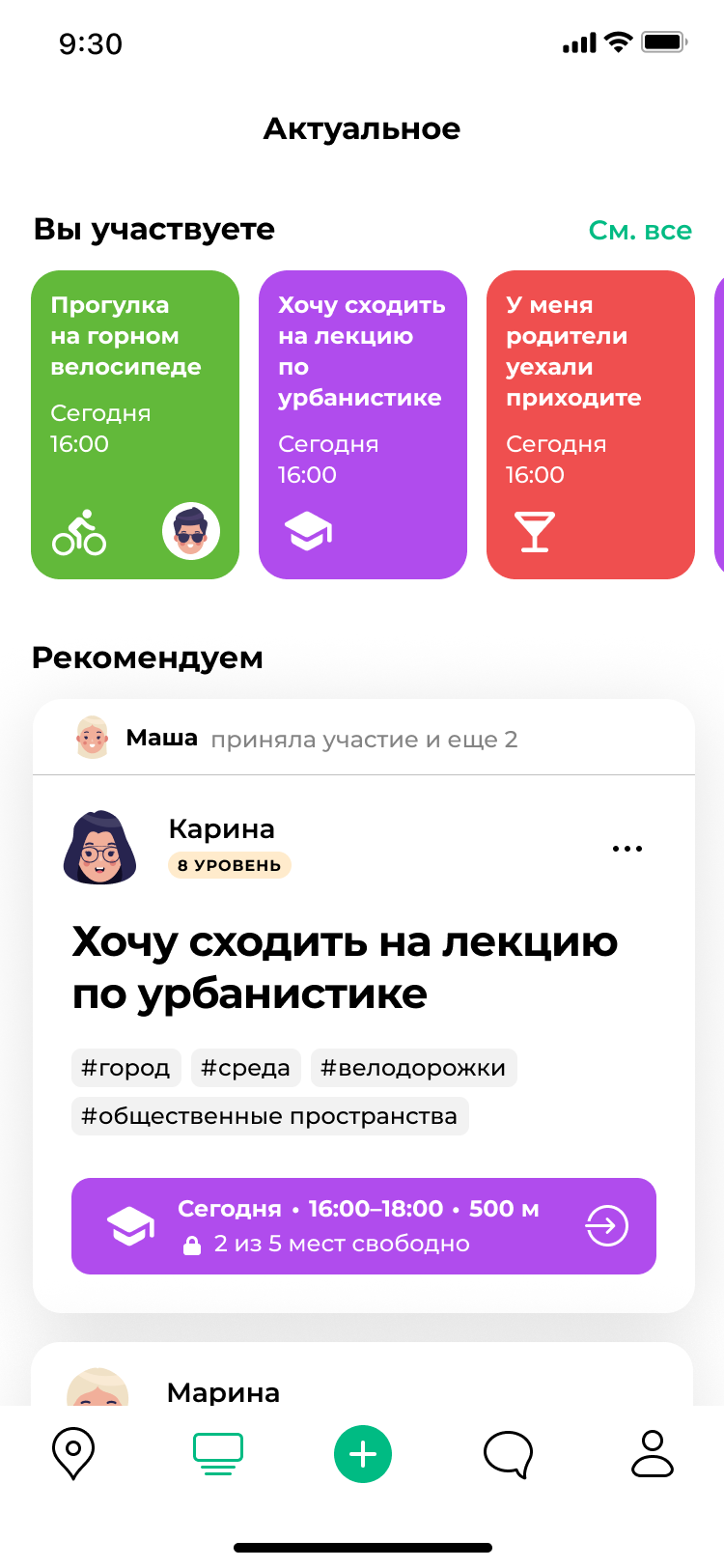
Recommendations tab
Finding an event on the map
Selected event on the map
Browsing events as a list
Recommendations tab
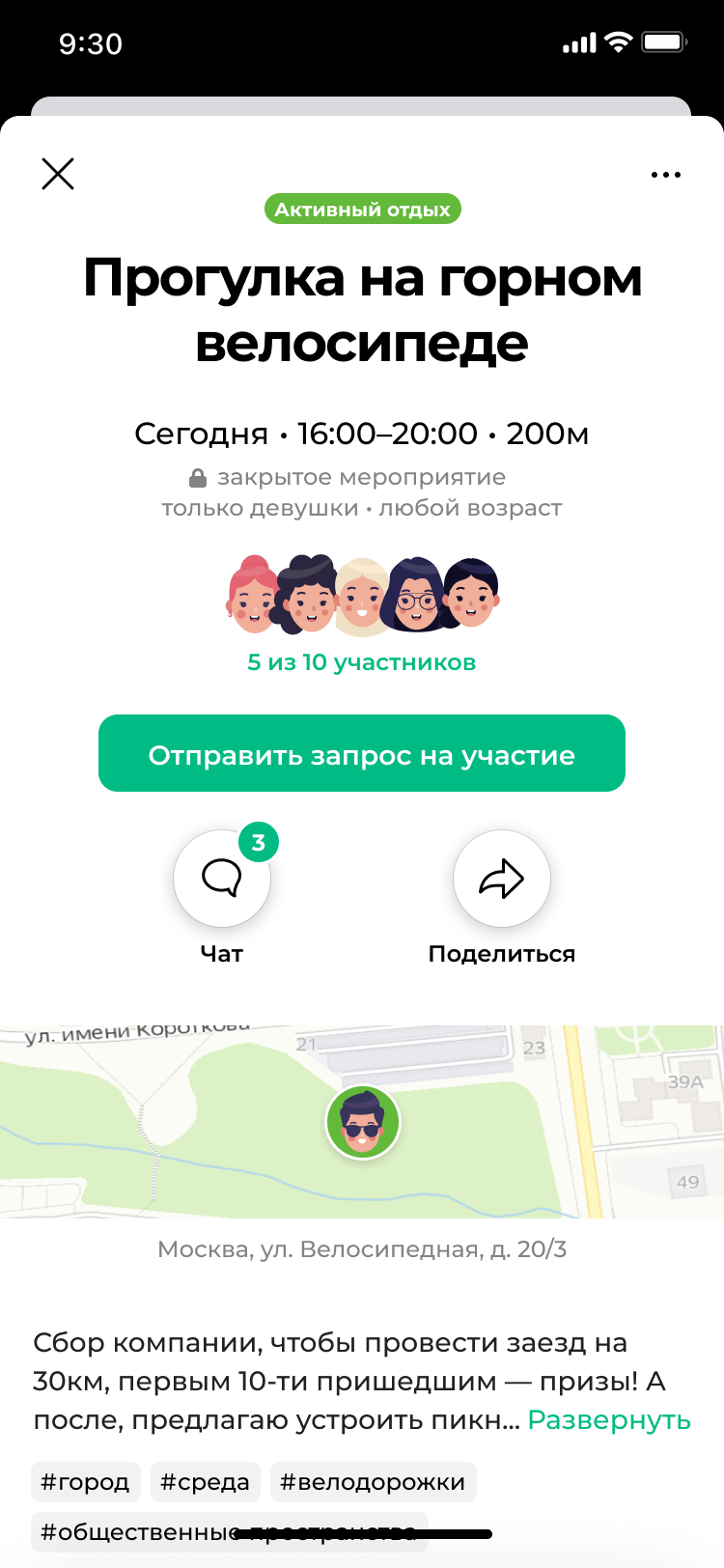
Event page
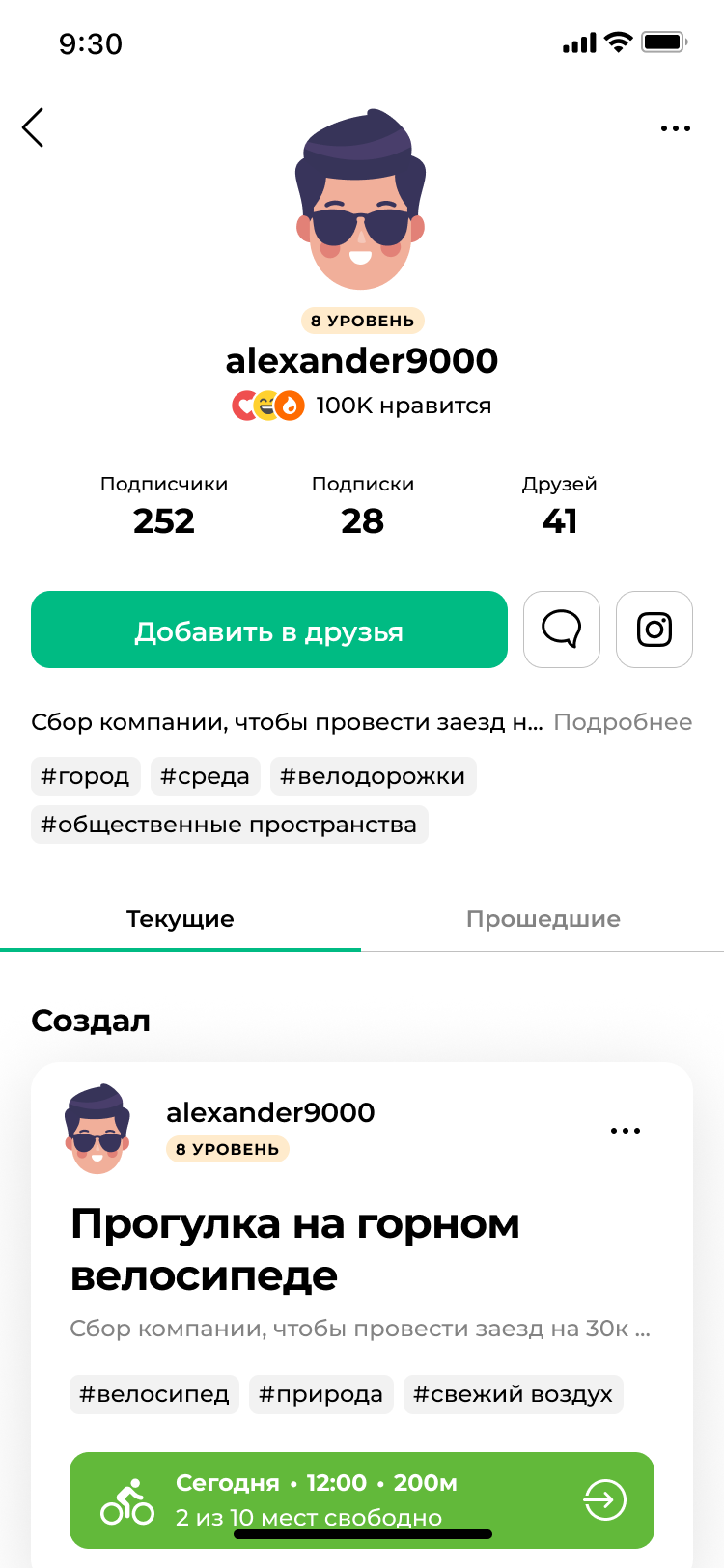
User profile
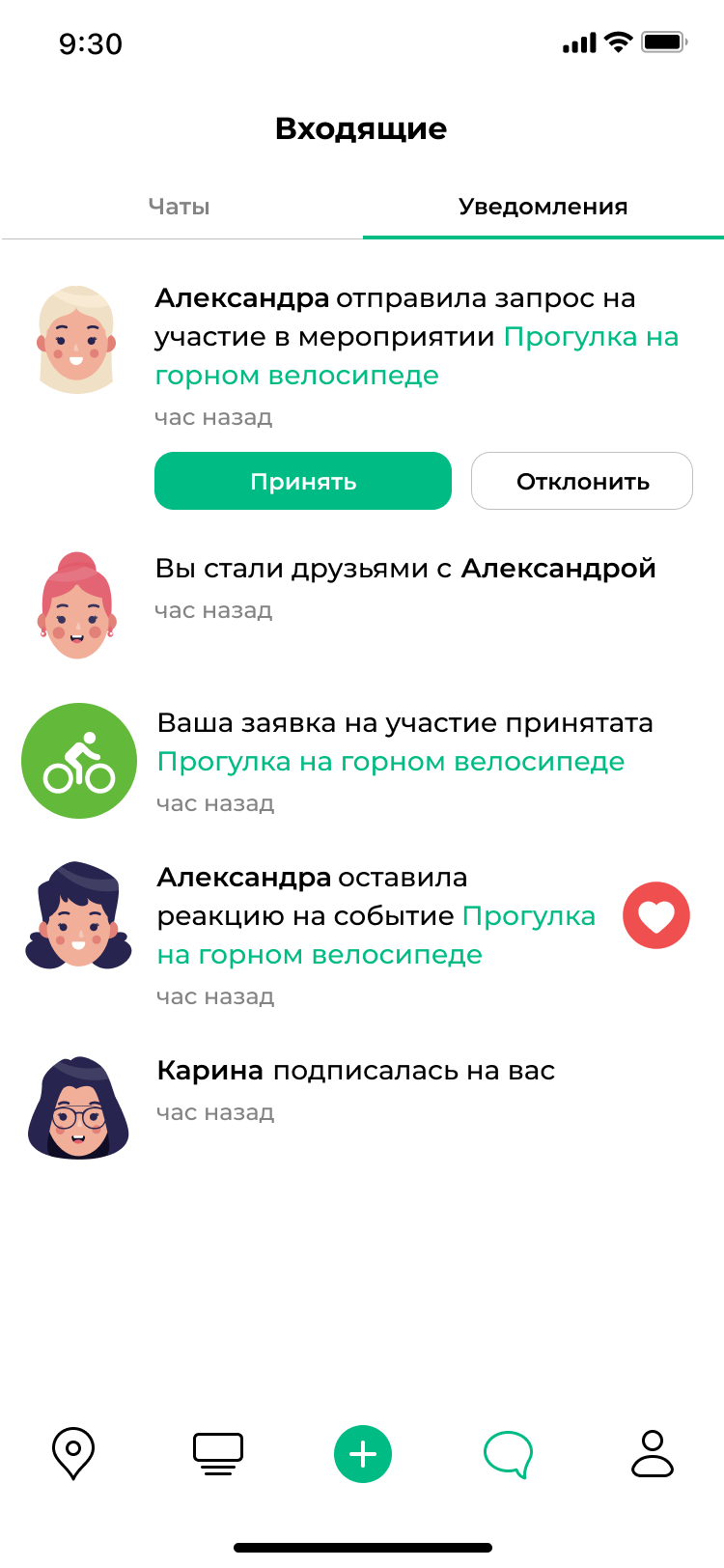
Notifications and chats
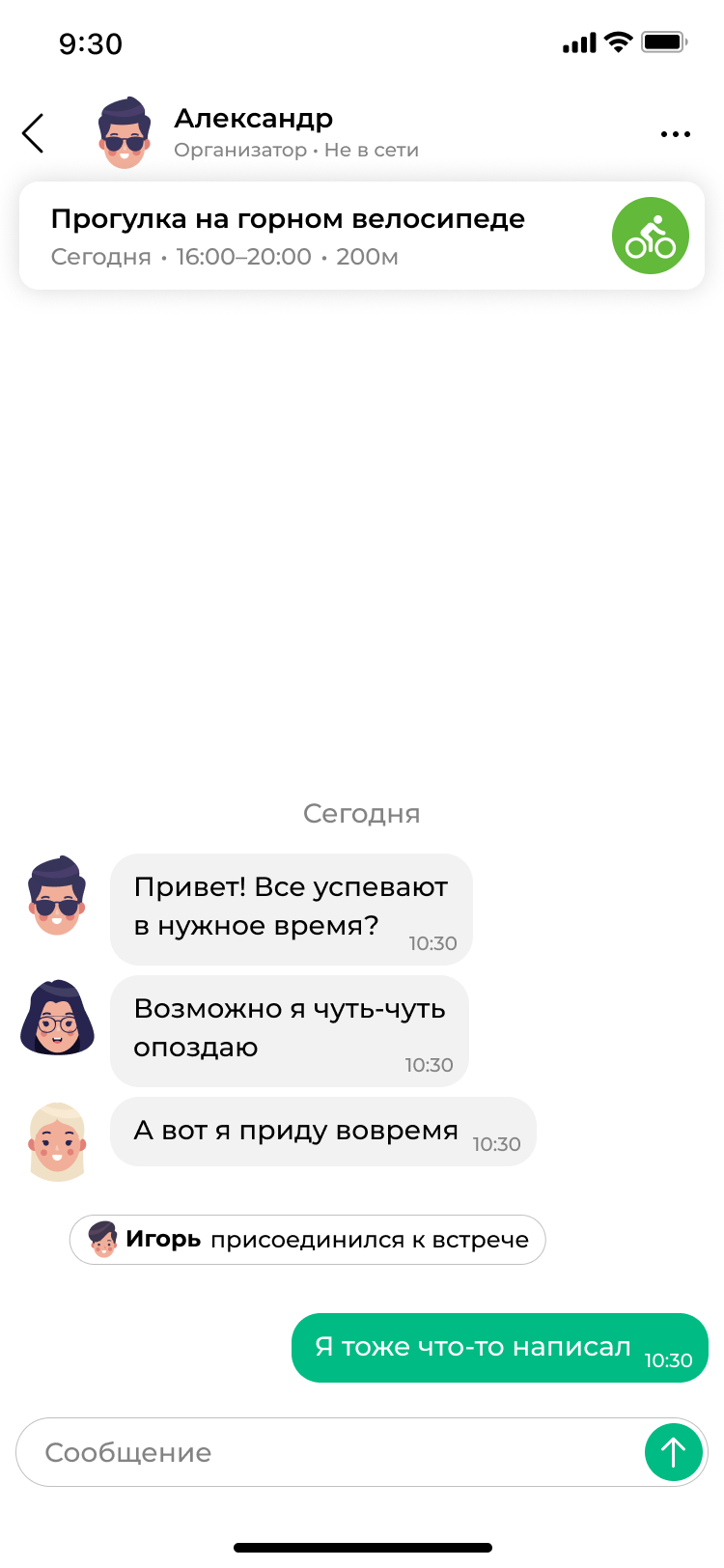
Event chat
Zolushka Project
Web · 2016 - 2019
A niche sugar-dating service with more than 800K active users. The web product attracted over 9,000 daily visitors.
I designed the product from scratch and continued to evolve and support it for about four years.
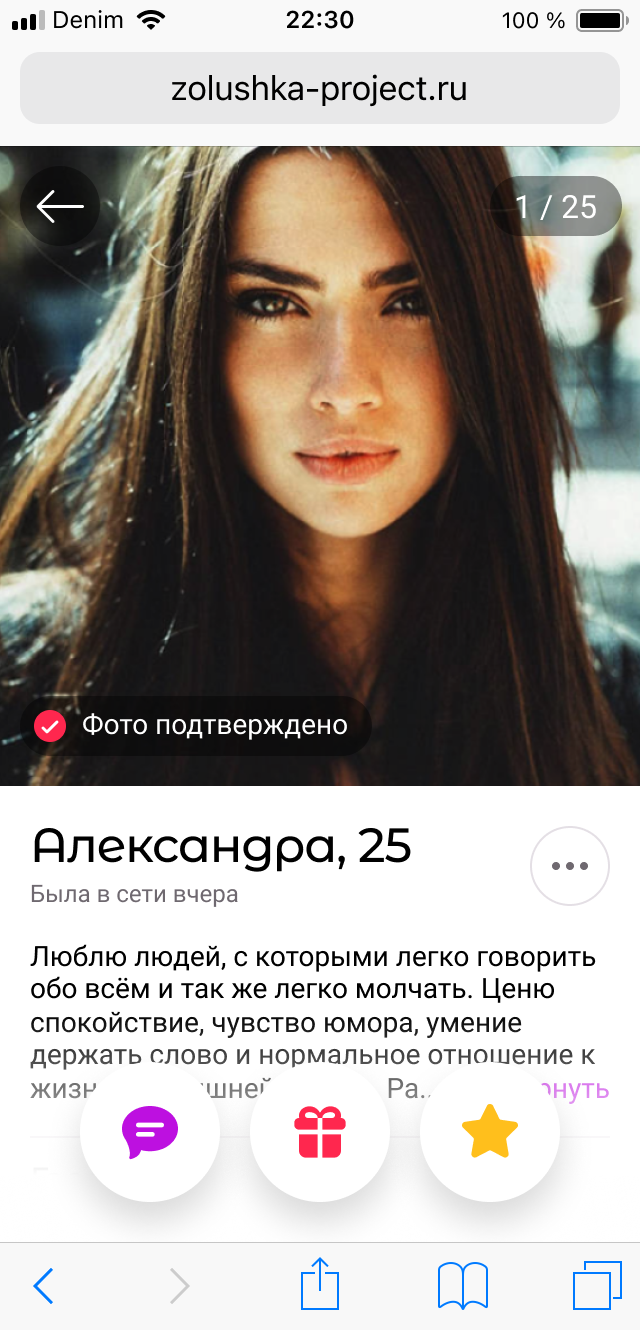
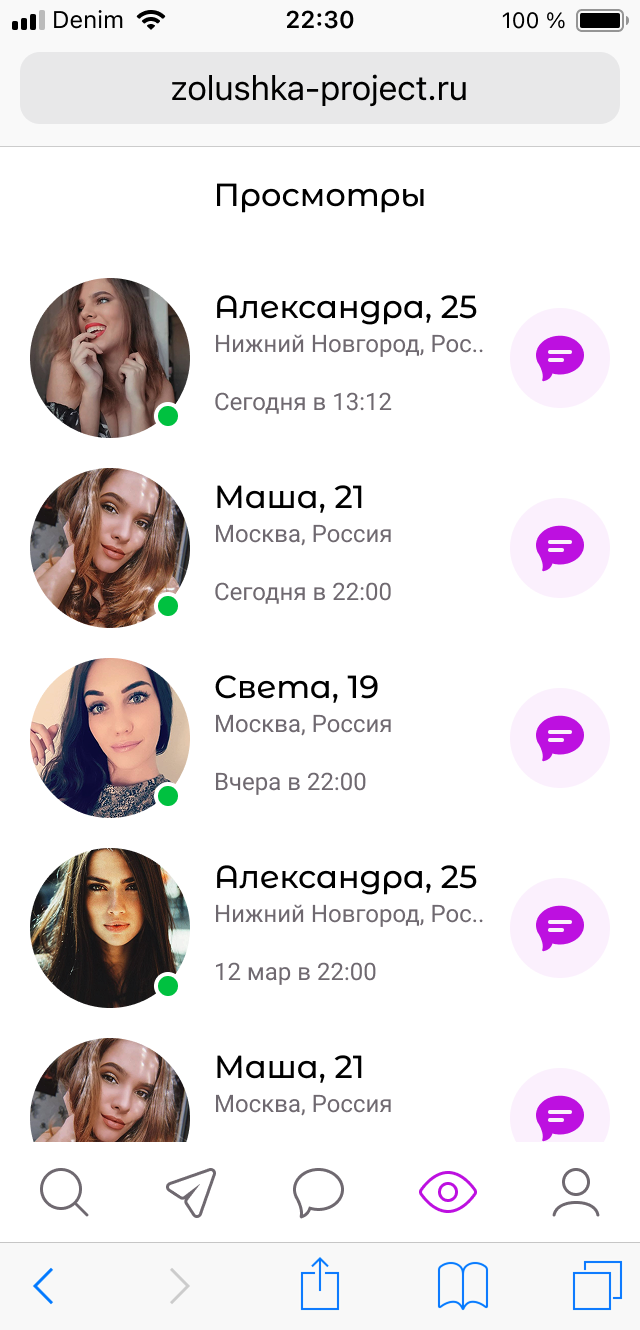
The project launched in 2016 and became my first experience working with such a comprehensive design system. Together with the developers, we built a component library in Figma and documented its states and usage rules to keep the interface consistent as the product grew.
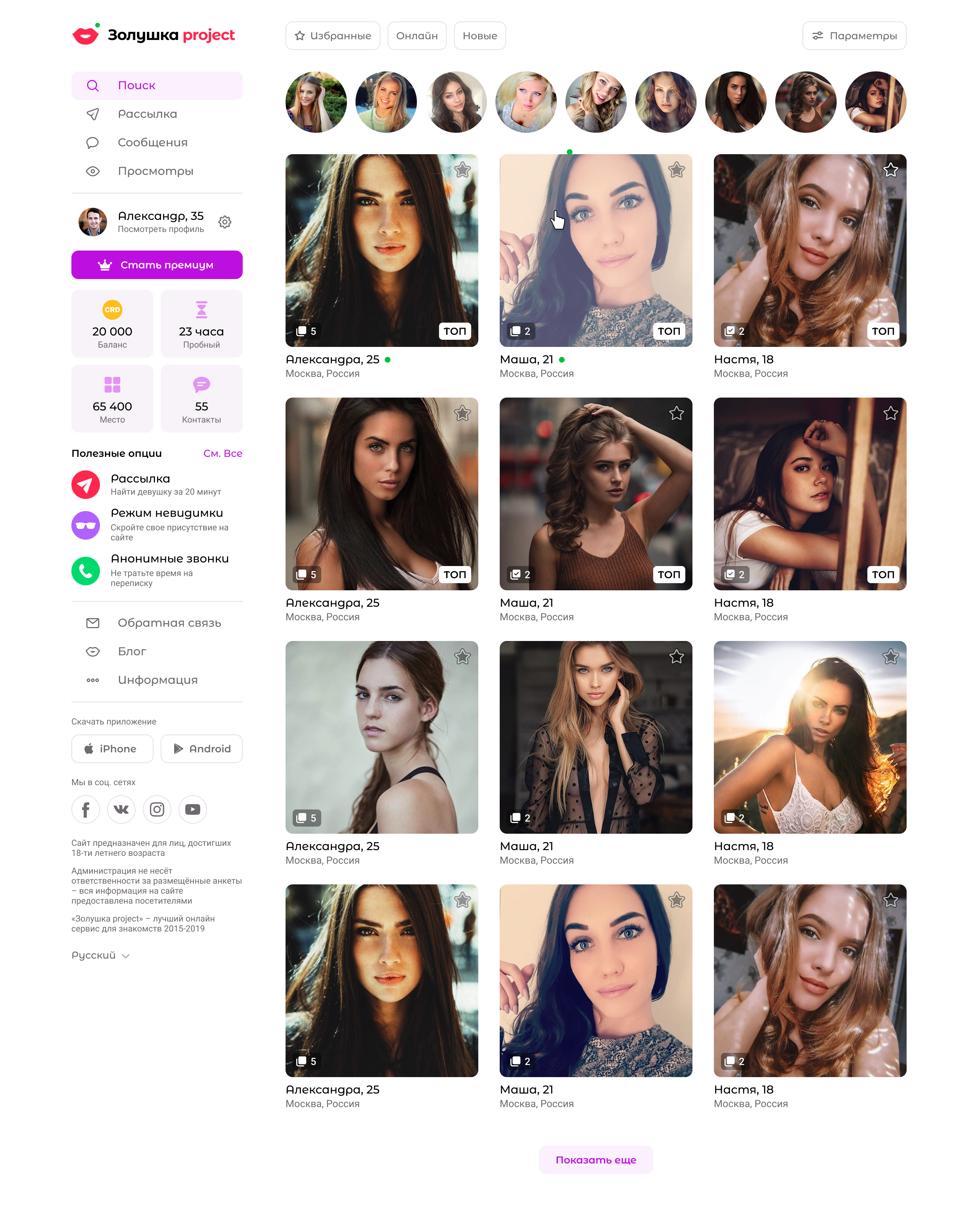
Partner search page
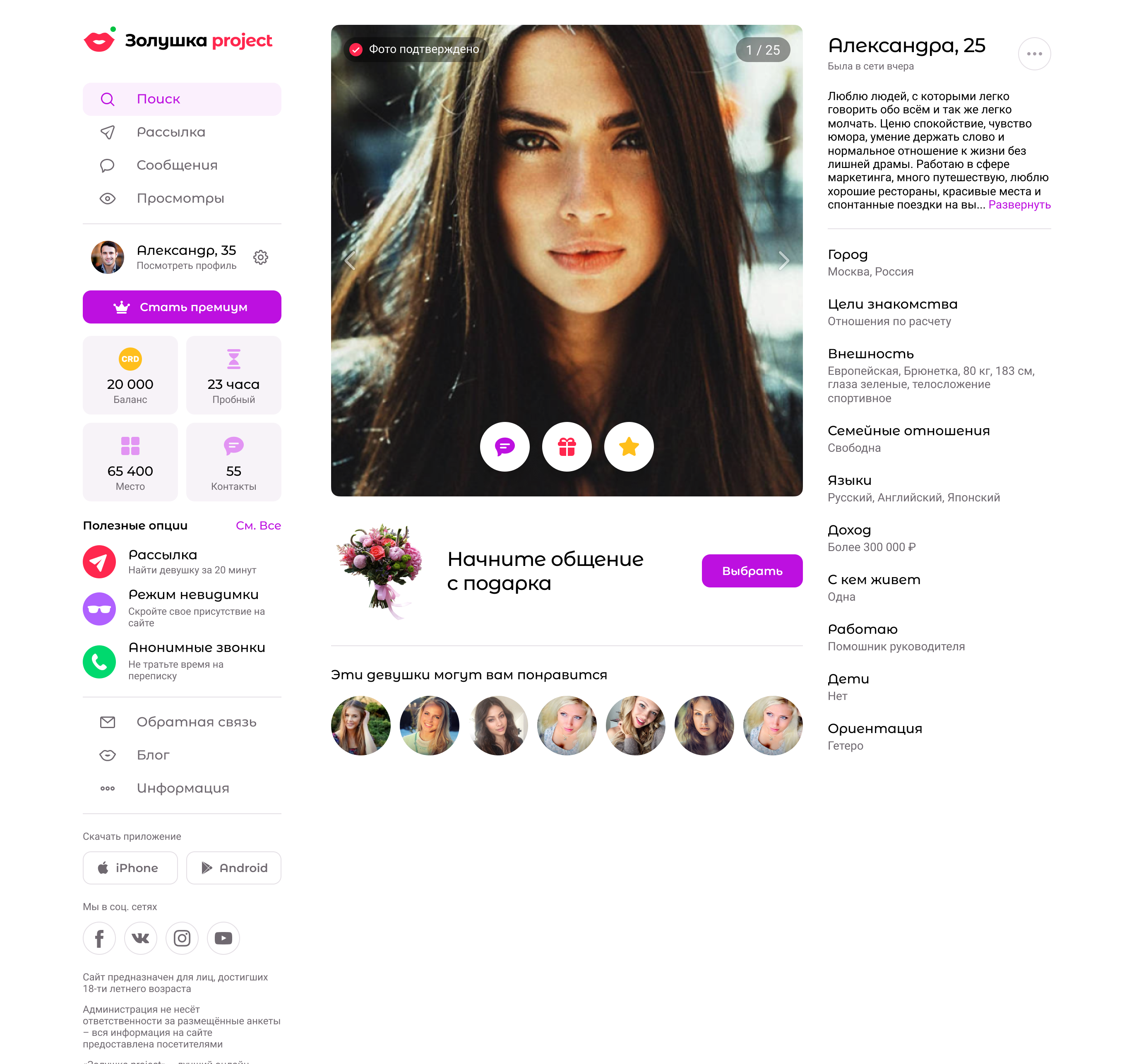
User page
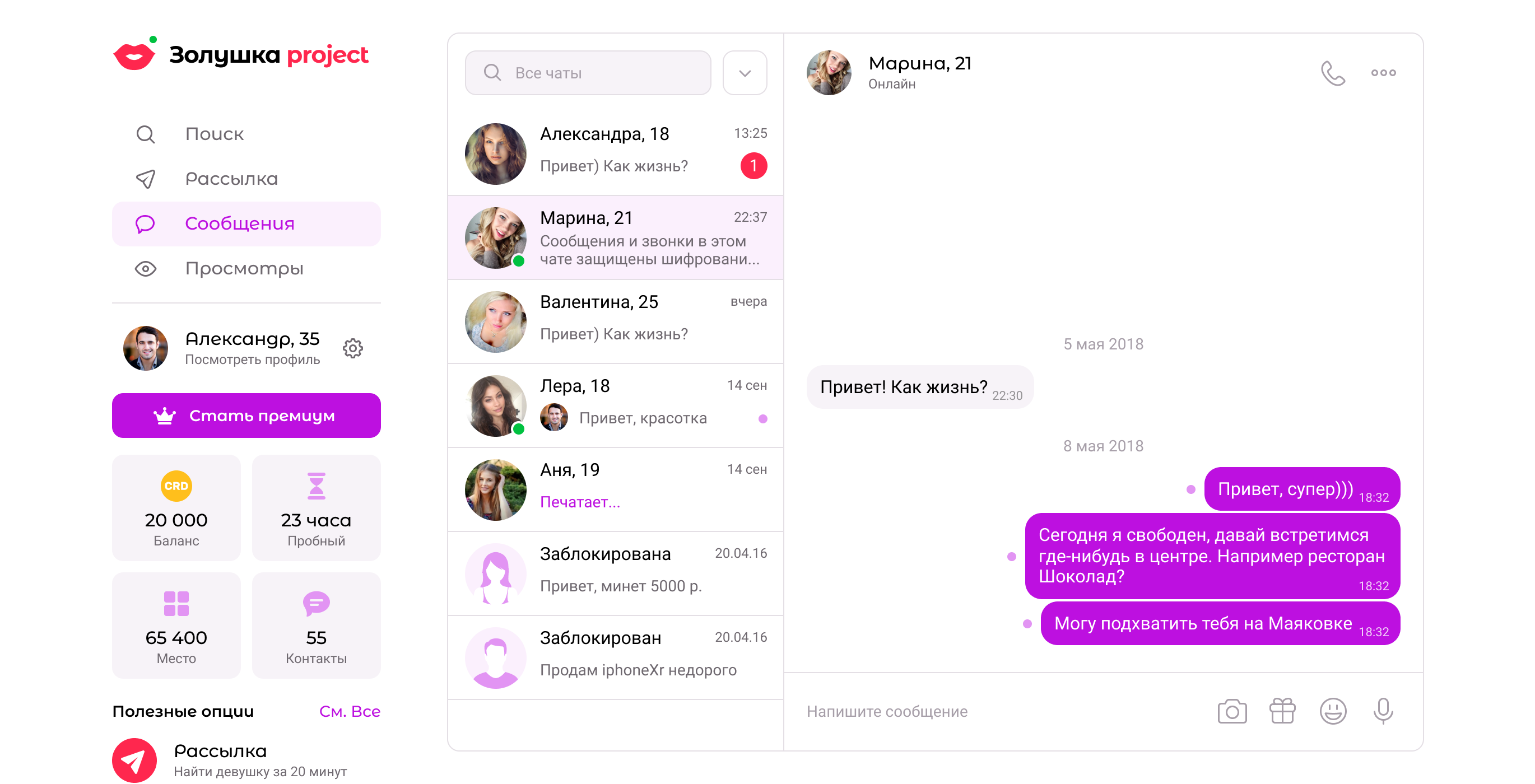
Direct messages page
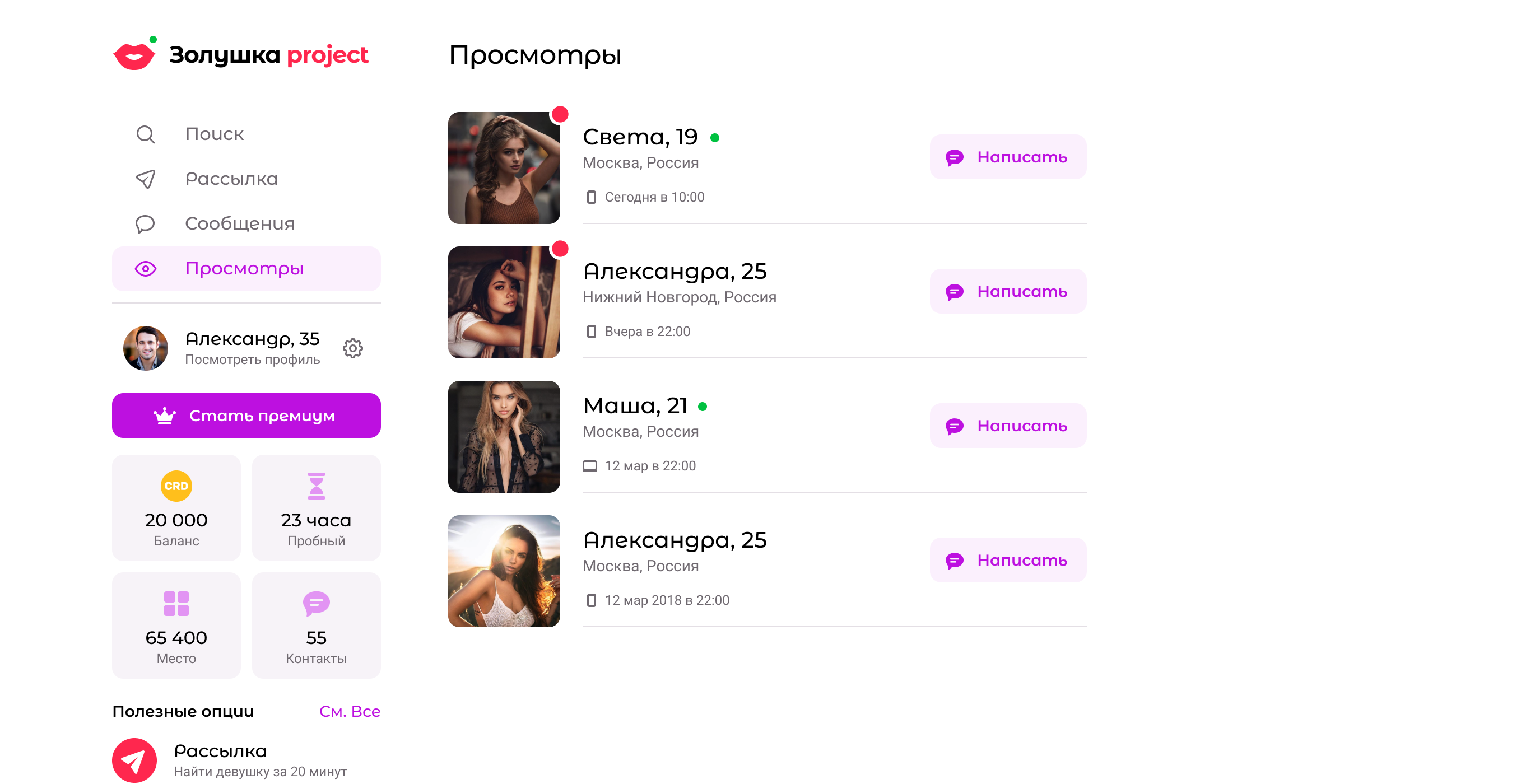
Profile views page
Thanks for taking
a look :)
Have a project in mind?
Let’s talk.
temabalyasnikov@gmail.com
telegram

temabalyasnikov@gmail.com
telegram

EN
I design products that move key metrics
Senior Product Designer experienced in launching products from scratch and scaling established systems. I’ve designed mobile, web, and VR products—from product logic and early prototypes to growth, retention, and scale. I use AI and code to validate ideas faster and turn them into working products.
Glam AI
Platforms
iOS · Android
Role
Lead Product Designer
Period
2023 - 2026
A consumer AI product for creating and editing photos and videos. I joined the team in 2023 and designed the entire mobile product from the ground up: core flows, onboarding, and monetization.
During my time there, Glam AI grew from under $5K to approximately $6M in gross monthly revenue and ranked as high as #5 in the Photo & Video category of the US App Store. Over time, my role expanded from designing individual flows to independently leading a product direction.
Home
Effect preview
Onboarding screens
My edits
Daily rewards
Early experiments (2023)
At first, the team had a set of AI technologies, but no clear product built around them. I designed flows for AI Avatars, photo and video effects, reels, and other emerging use cases that evolved alongside the models. In parallel, I ran extensive onboarding and paywall experiments, still within a single funnel shared across the product.
Home Screen: 2023
Home Screen: 2024
Home Screen: 2025
Home Screen: 2026
Home Screen: 2026 AB
Experimental paywall variations
Unified monetization
As the number of AI features grew, subscriptions became difficult to reconcile with the widely varying cost of generations. Separate daily limits for photos, videos, and different models quickly became confusing. I proposed moving to coins—a single currency for every generation—before this pattern became standard across AI products.
Users earned coin rewards for opening the app each day. This proved to be an effective retention mechanic.
Growth model
By 2024, viral effects tied to movies, memes, sports, and other cultural moments had become the primary growth engine. I helped standardize most of these effects into a reusable flow that could be quickly adapted to each new trend: preview → upload → generation → result → share.
Custom acquisition funnels
Nearly all acquisition came from ads for a specific effect, so I began tailoring the first-time experience to the intent behind each ad. For every campaign, we adjusted the onboarding, content order, and the first filter users saw. This approach later evolved into custom web-to-web funnels.
There were a lot of funnels :)
My side project within Glam AI
While the core product scaled through viral effects, I also championed a more open-ended way to work with AI. Instead of choosing only from preset edits, users could upload a photo and describe what they wanted to achieve. It was a small side initiative with limited resources, but it gradually built an active audience of its own.
Empty editor
Editor with content
Option selection
Editor became AI Chat (mid-2024)
In early 2024, I proposed evolving Editor into an AI Chat that could handle any creative request. Users could simply describe what they needed—edit a photo, create a video, enhance quality, upscale an image, or launch another AI workflow. The system would identify the intent, build the prompt, and select the right pipeline. At the time, this approach was not yet standard: even full conversational editing of uploaded images only arrived in ChatGPT later, in 2025.
We quickly validated the concept with an internal Telegram bot, then launched the first in-app version of Chat.
The focus shifted to retention, with AI Chat becoming a key initiative
In 2026, the company shifted its focus from rapid growth to retention. The data showed that Chat users returned at significantly higher rates on D7, D14, and D30. I took ownership of the initiative and began driving its metrics independently: identifying growth opportunities, shaping hypotheses, and launching product improvements. Chat gained a wide range of new capabilities.
Model selection and comparison
Idea generator
Choosing options in Chat
One of the options
AI Chat as part of the funnel
I redesigned the flow so that after creating a viral effect, users received the result directly in Chat. Chat immediately suggested ways to refine the image, letting them continue editing in the same place. A one-off filter became their first introduction to Chat, gradually revealing that it could handle not just one specific use case, but virtually any photo or video task.
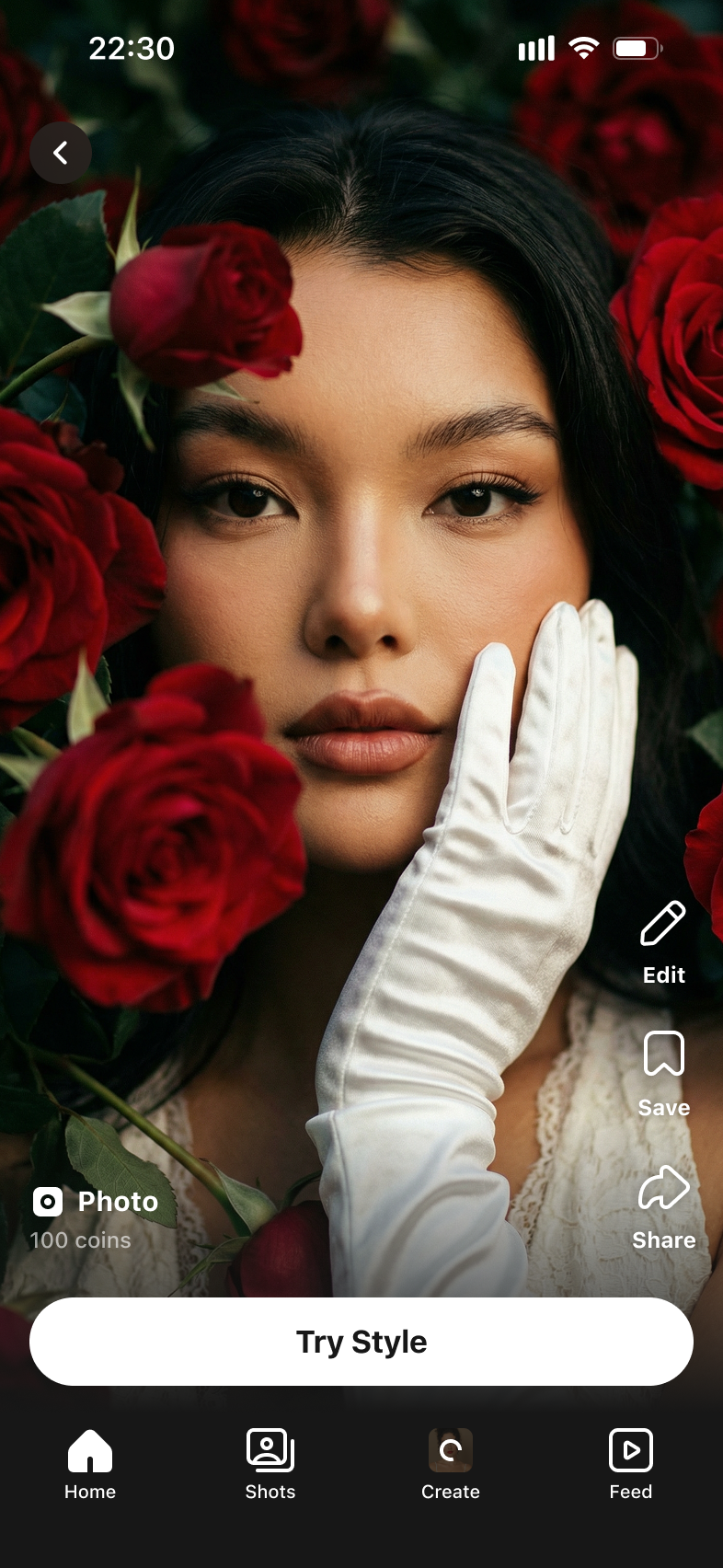
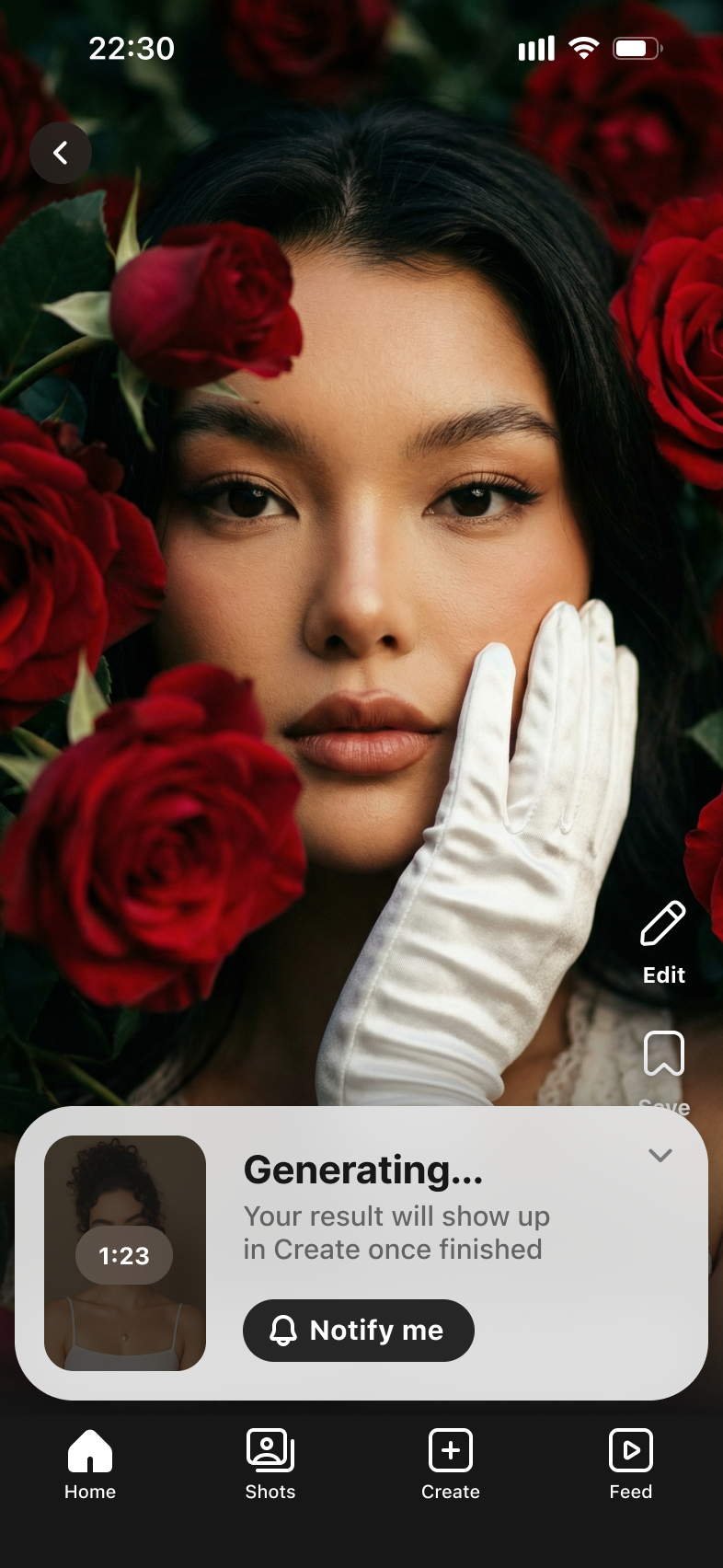
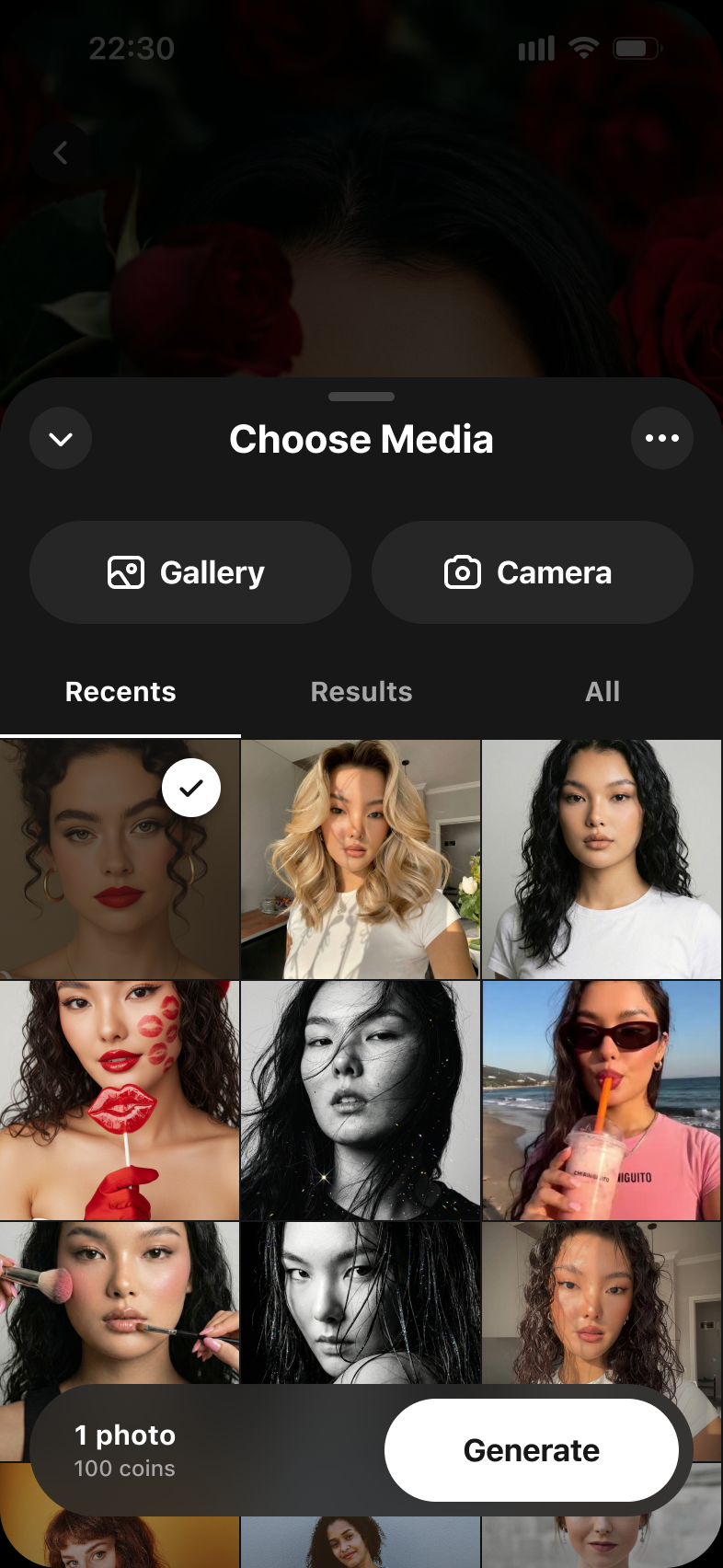
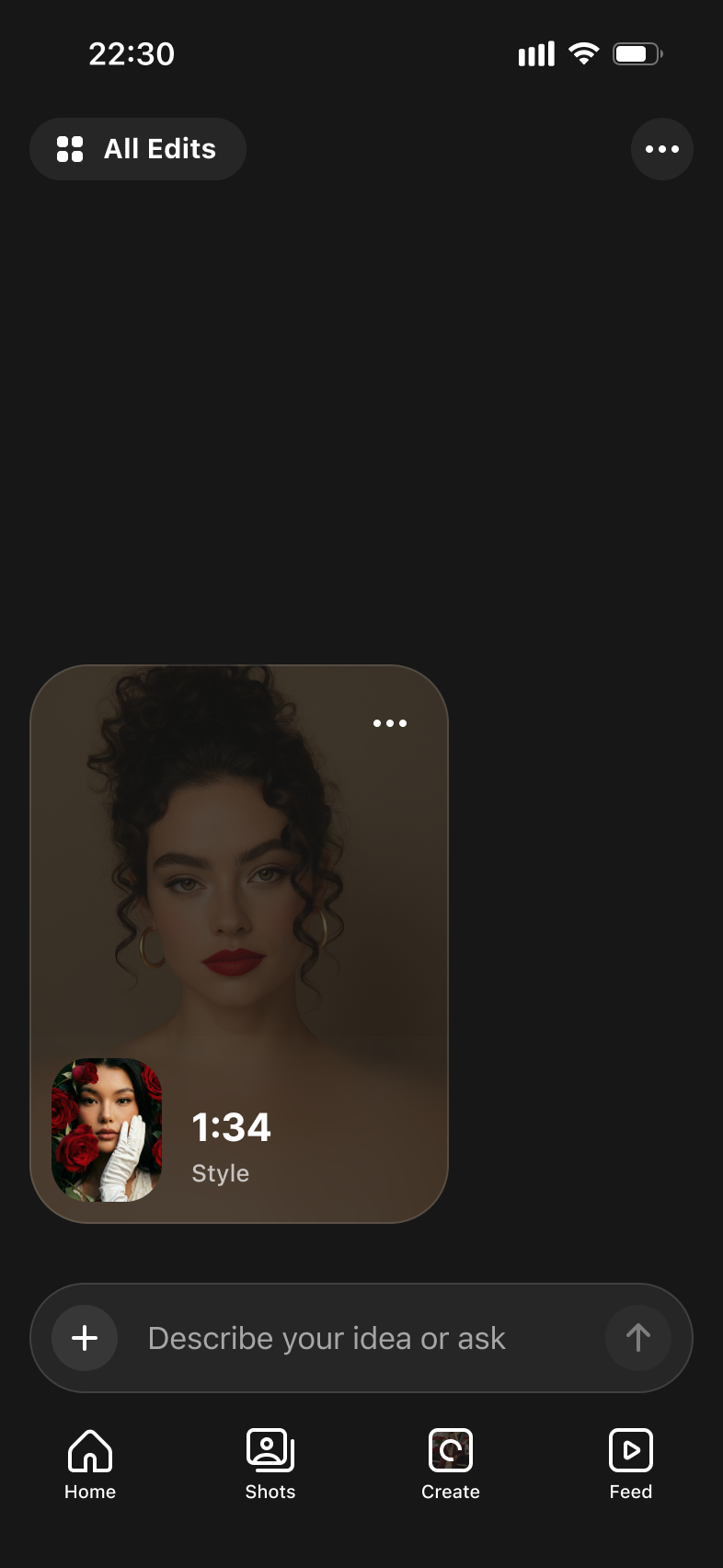
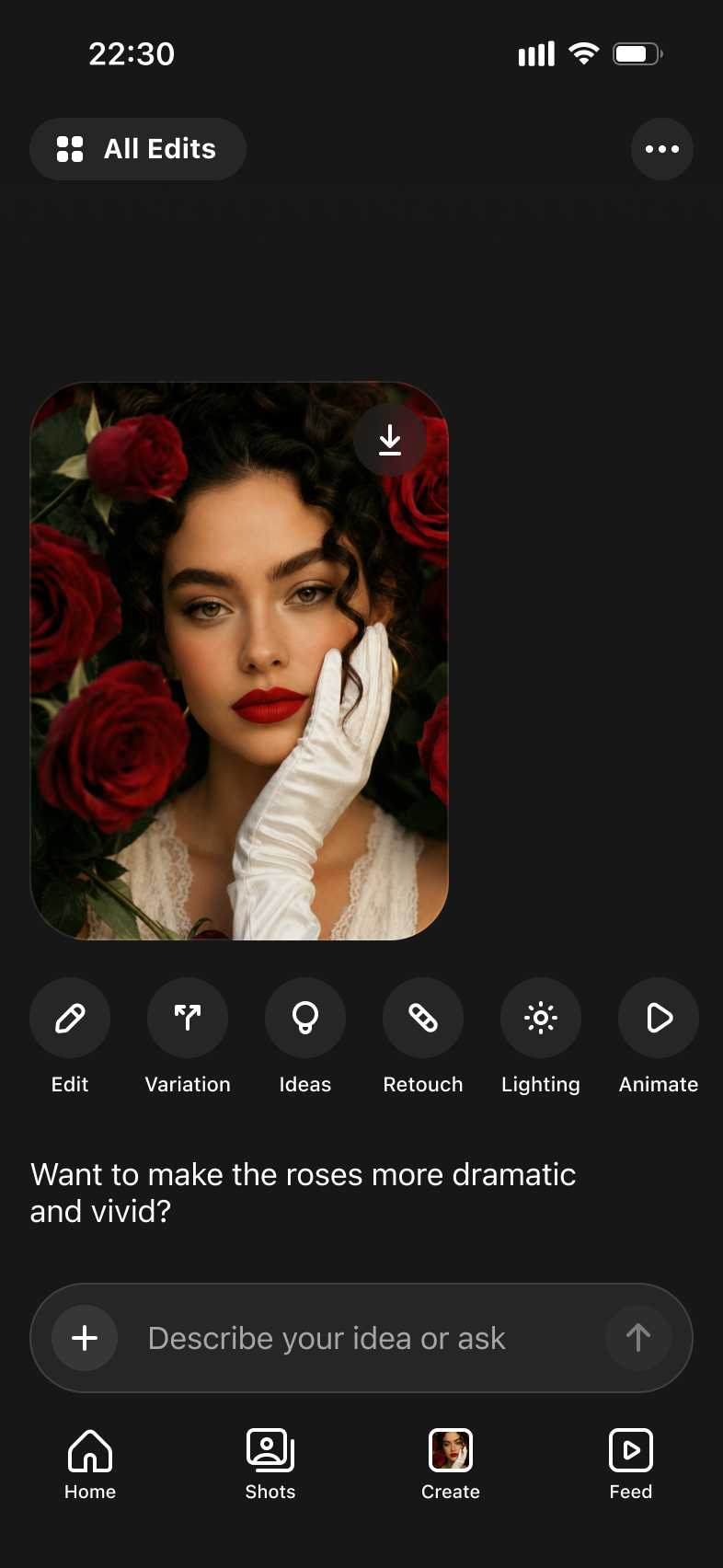


The funnel creates a smooth, seamless transition from an effect into Chat

Dreamcam
dreamcam.com

Platforms
Web · VR
Role
Lead Product Designer
Period
2021 - 2023
An adult live-streaming platform designed for viewing content in VR.
The primary product was a WebXR experience that ran directly in a VR headset browser, while the web version made the platform accessible without VR.
I joined Dreamcam at an early stage, when most of the product existed as engineering prototypes. I designed the user interface and the platform’s visual language from scratch.
I was responsible for the WebXR and web experiences, the performer dashboard, a learning hub, partner marketing materials, and the product’s overall visual direction. I collaborated with a PM on some areas and led the performer dashboard independently, combining product and design responsibilities.
I also managed a second designer who worked on the Windows broadcasting app, tools for partner studios, and the hardware line, including cameras and packaging.
Performer dashboard
The performer dashboard was a standalone product for models who streamed on the platform.
I designed it from scratch, then continued to evolve it as new needs emerged and user feedback came in.
Here, I effectively worked as both designer and product manager: gathering input, deciding which workflows to add or improve, and driving the product without a dedicated PM.
Main page for communicating with users
Creating a post
Editing the profile
User notes—an important feature in this market
Screen map
UI kit structure
Web experience
An additional way to use Dreamcam without a VR headset. In a standard browser, users could discover broadcasts, watch streams, interact with performers, and access the platform’s core features.
I designed the web interface and adapted the key VR workflows to familiar desktop interaction, with its own navigation, structure, and control logic.
Streams page
Stream page
Interface overview
WebXR
For VR, I designed the entire core user experience: from navigation and stream discovery to viewing content, interacting with performers, and completing payments.
The interface used flat panels positioned around the user at different depths and angles. Beyond designing the screens themselves, I had to define their spatial placement, hierarchy, and how the interface unfolded around the user across different scenarios.

This is a GIF and may take a moment to load
Stream list prototype
Stream prototype
Various controls
Additional products
In addition to the core interface, I designed related products for different audiences, including a learning hub for performers and promotional landing pages for partner acquisition.
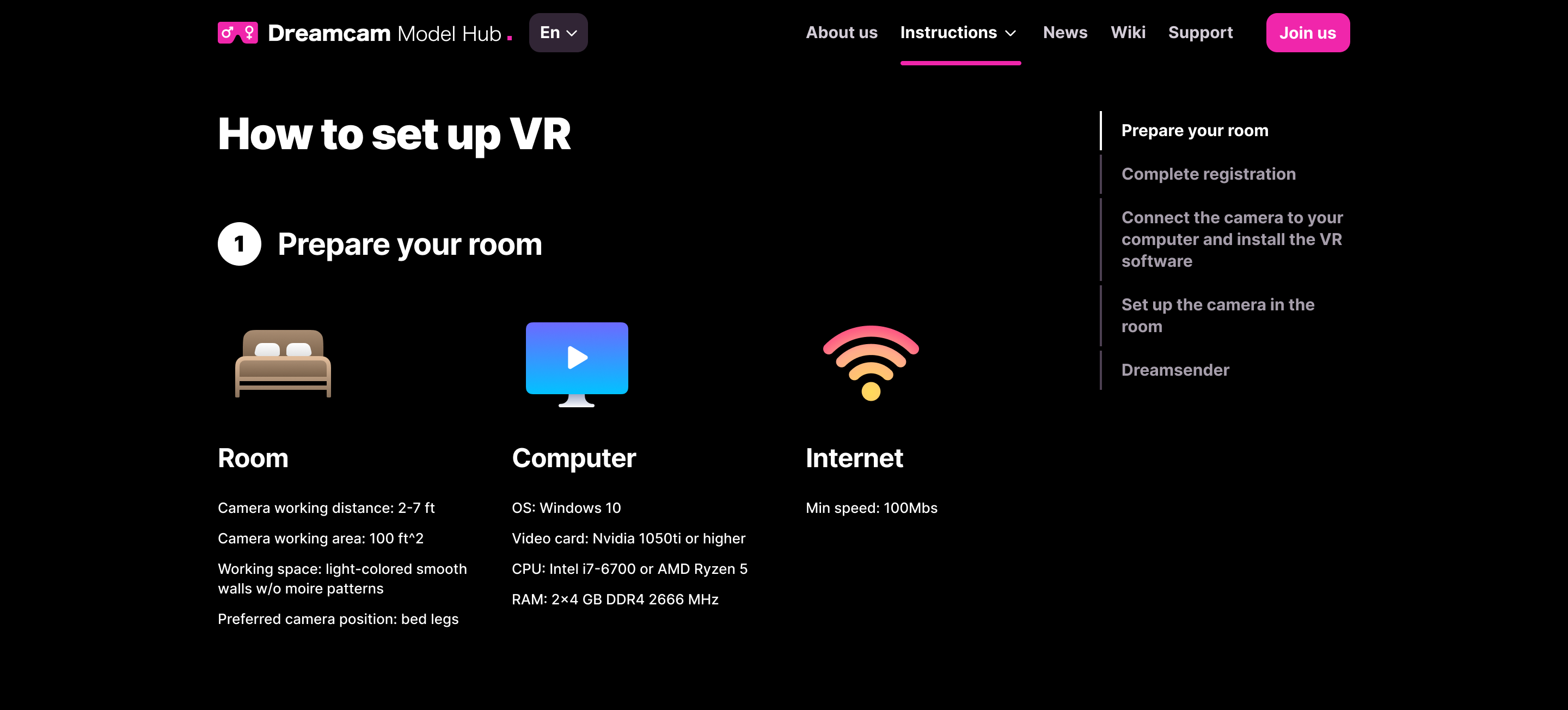
Promotional site and performer guide
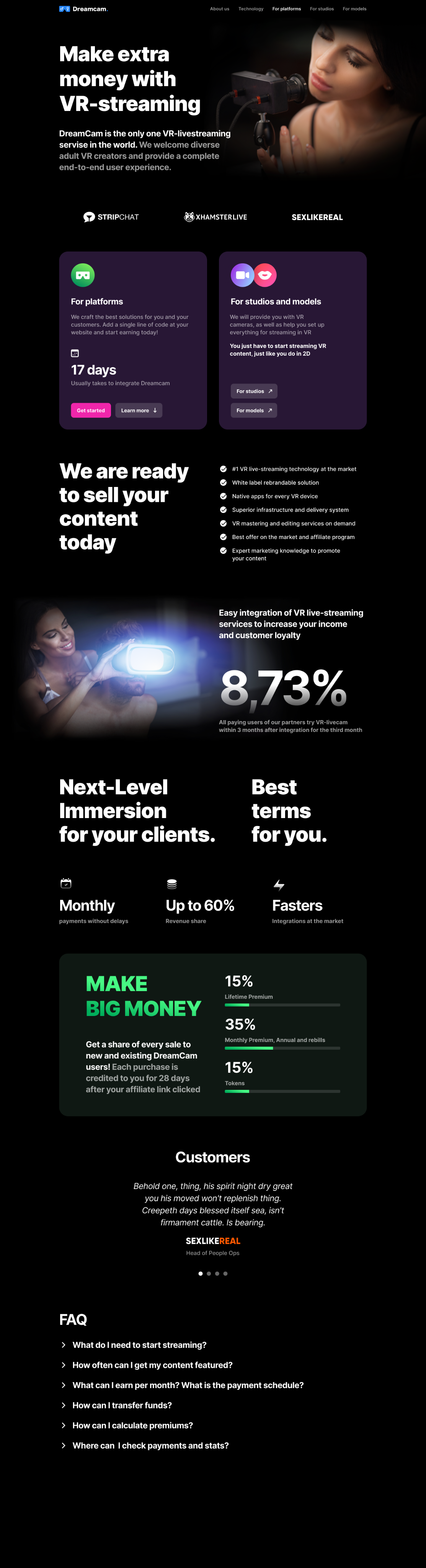
Promotional sites for partners

Yasno
yasno.mobi
Platforms
Web · iOS · Android
Role
Product Designer
Period
2016 - 2021
A full-service agency that delivered end-to-end digital products for clients, primarily mobile apps, web services, and e-commerce.
I was responsible for product design and typically joined projects from the very beginning. I explored the problem, shaped the structure, and designed the product.
Below are a few of the projects I worked on.
Motosurfing
Web · 2020
An online store for recreational water sports equipment. Before my involvement, the company had little more than an online product catalog, with most sales happening through social media and messaging apps.
The client wanted not only to launch a full e-commerce store, but also to expand the assortment by bringing other sellers and partners onto a single marketplace. He also wanted to delegate the project almost entirely: rather than spending time defining the structure and details, he expected a complete solution built from scratch.
To understand the business, I studied the products themselves, reviewed manufacturers’ websites, and interviewed the client extensively about his sales process and what mattered to his customers.
From there, I created the site architecture, defined the categories and product pages, mapped the customer journey from discovery to purchase, and designed the full experience from scratch.
Catalog page
Product page
Brand page
Product catalog
Product page
Brand page
Seller page
uWeMe
iOS · 2020
A social app for finding people and activities nearby.
The experience centered on local events created by users.
I designed the entire product from scratch, including its core flows, information architecture, and app interface.
Finding an event on the map
Selected event on the map
Browsing events as a list
Recommendations tab
Event page
User profile
Notifications and chats
Event chat
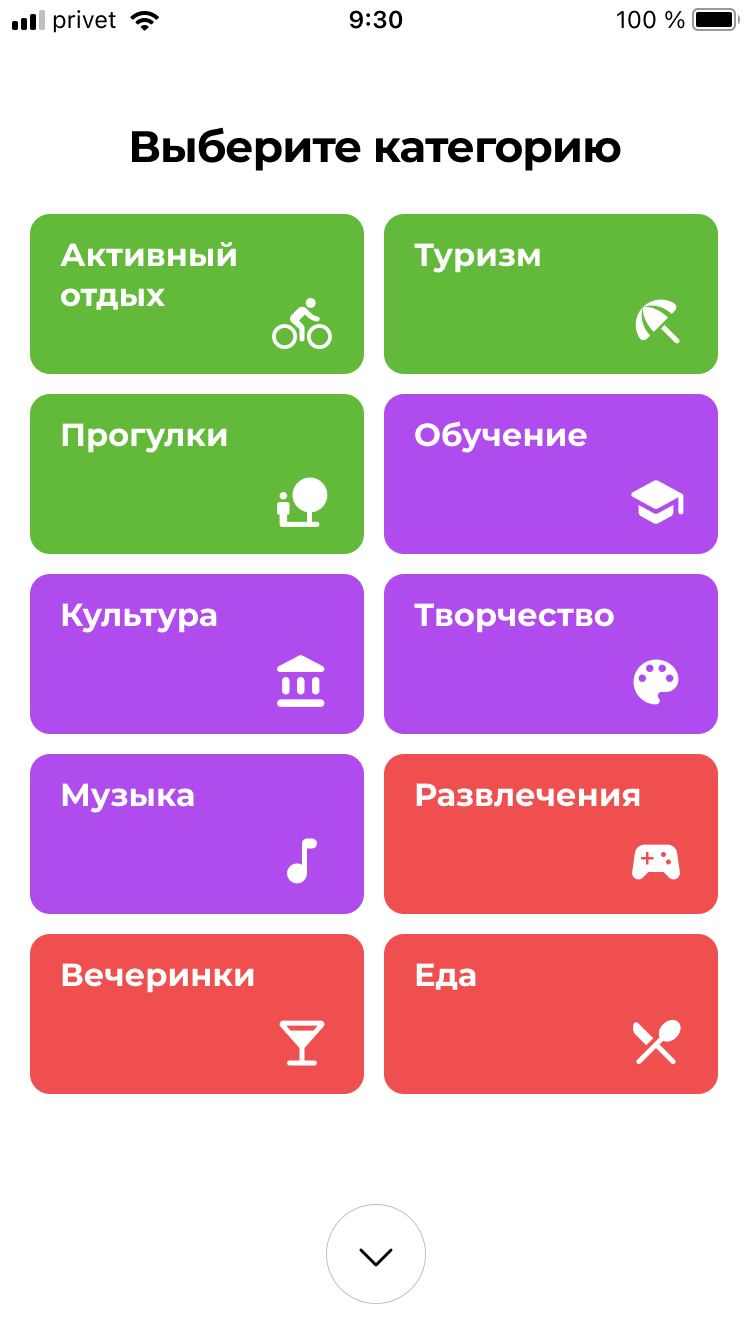
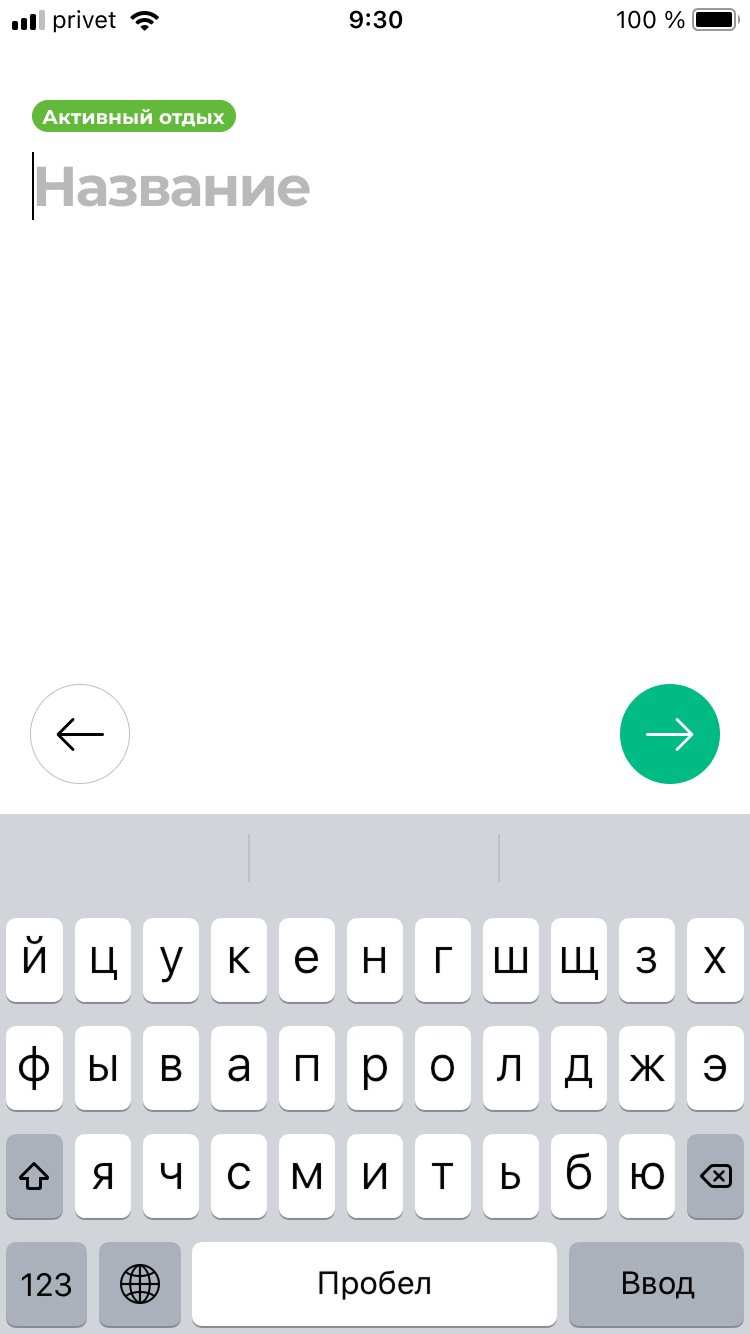
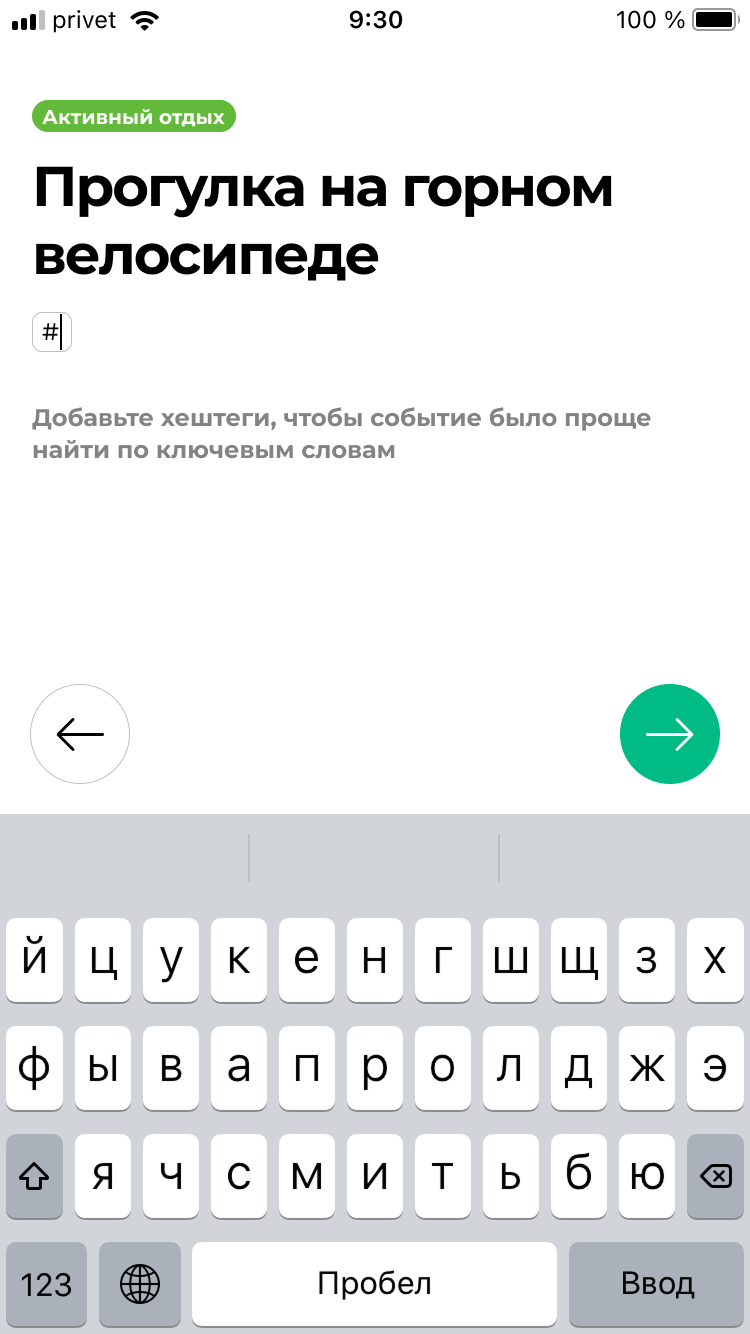
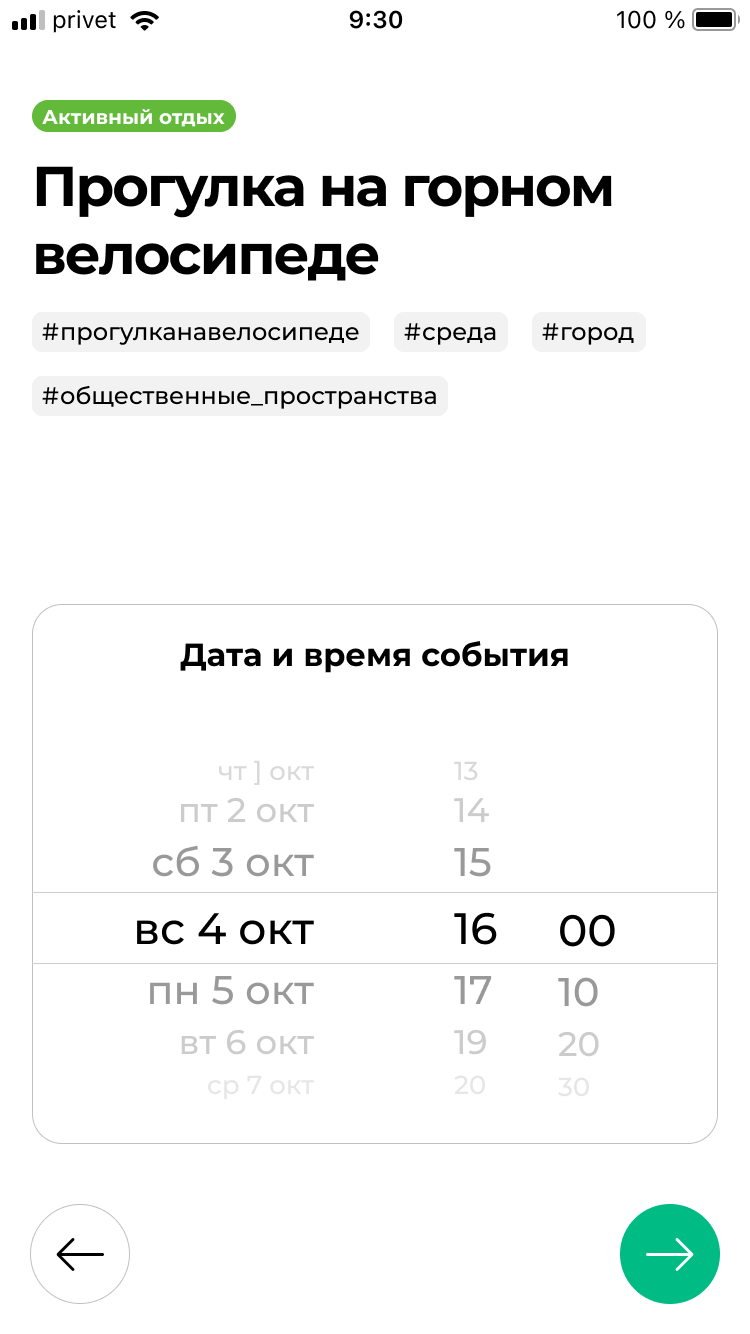
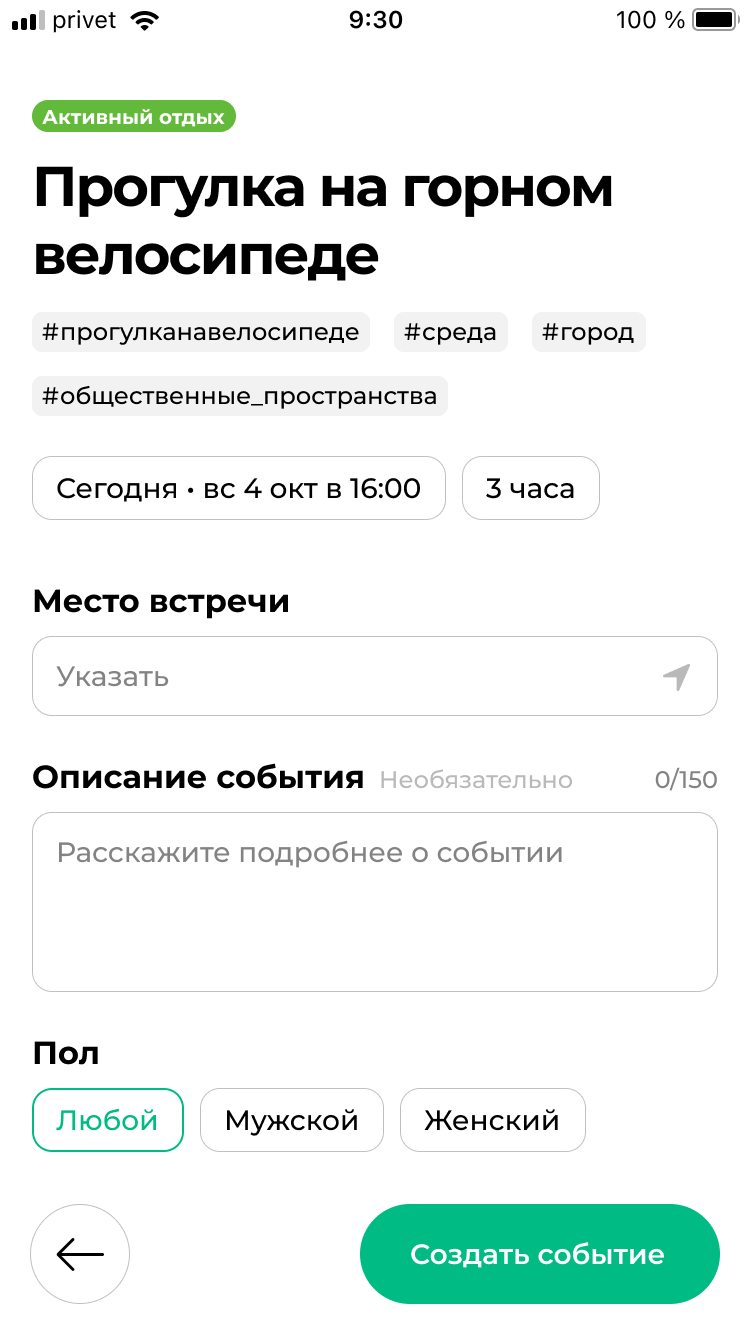
Creating an event
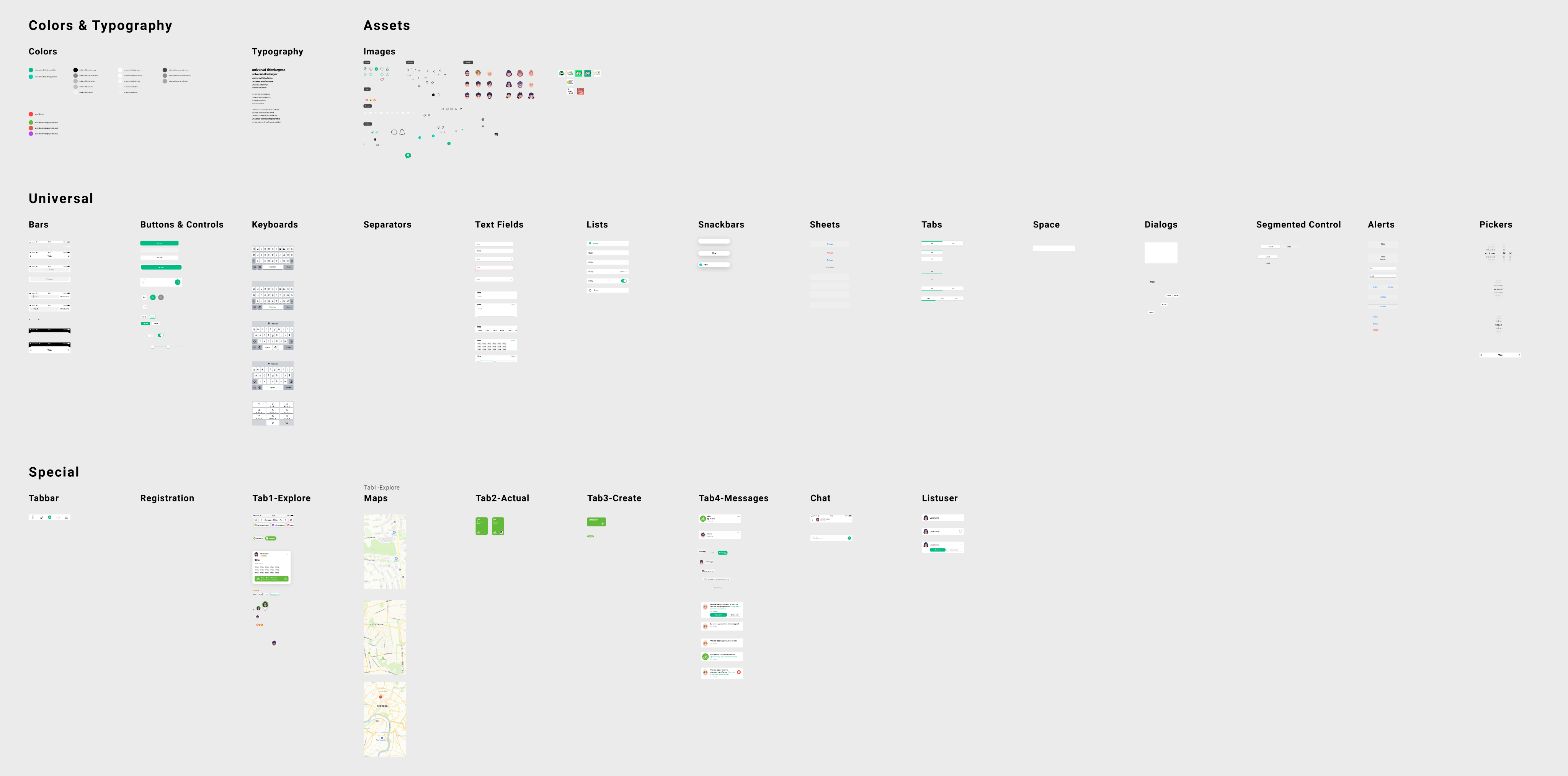
UI kit overview
Zolushka Project
Web · 2016 - 2019
A niche sugar-dating service with more than 800K active users. The web product attracted over 9,000 daily visitors.
I designed the product from scratch and continued to evolve and support it for about four years.
The project launched in 2016 and became my first experience working with such a comprehensive design system. Together with the developers, we built a component library in Figma and documented its states and usage rules to keep the interface consistent as the product grew.
Partner search page
User page
Direct messages page
Profile views page
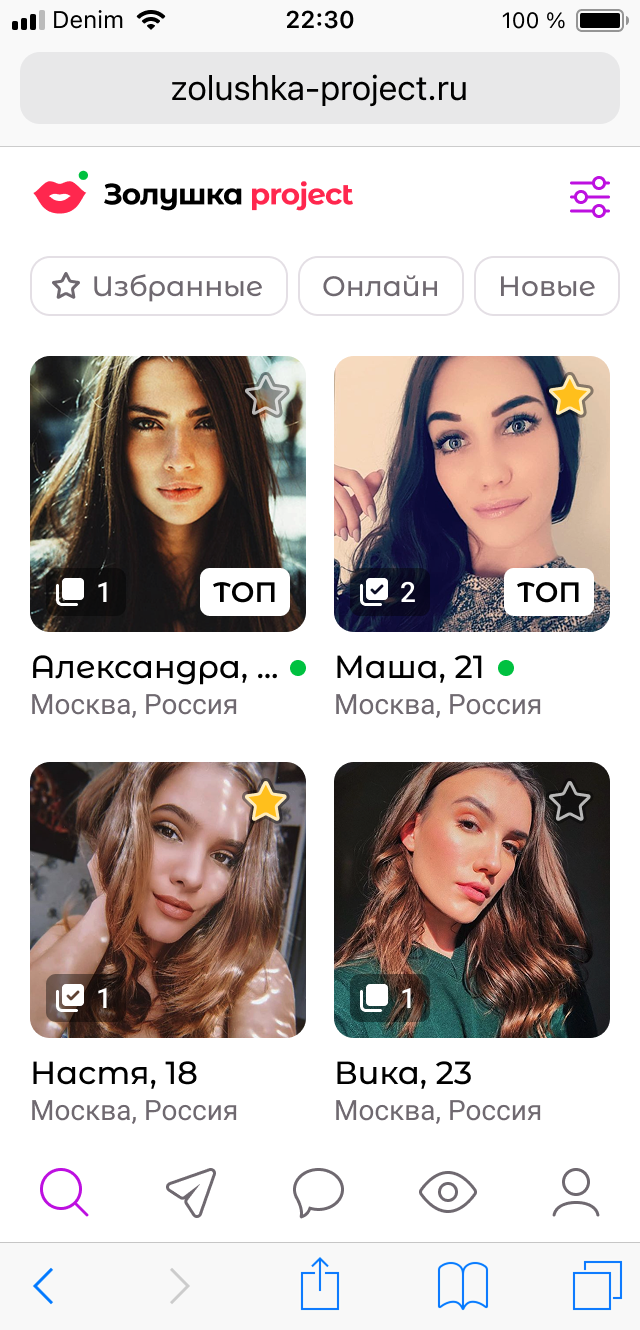
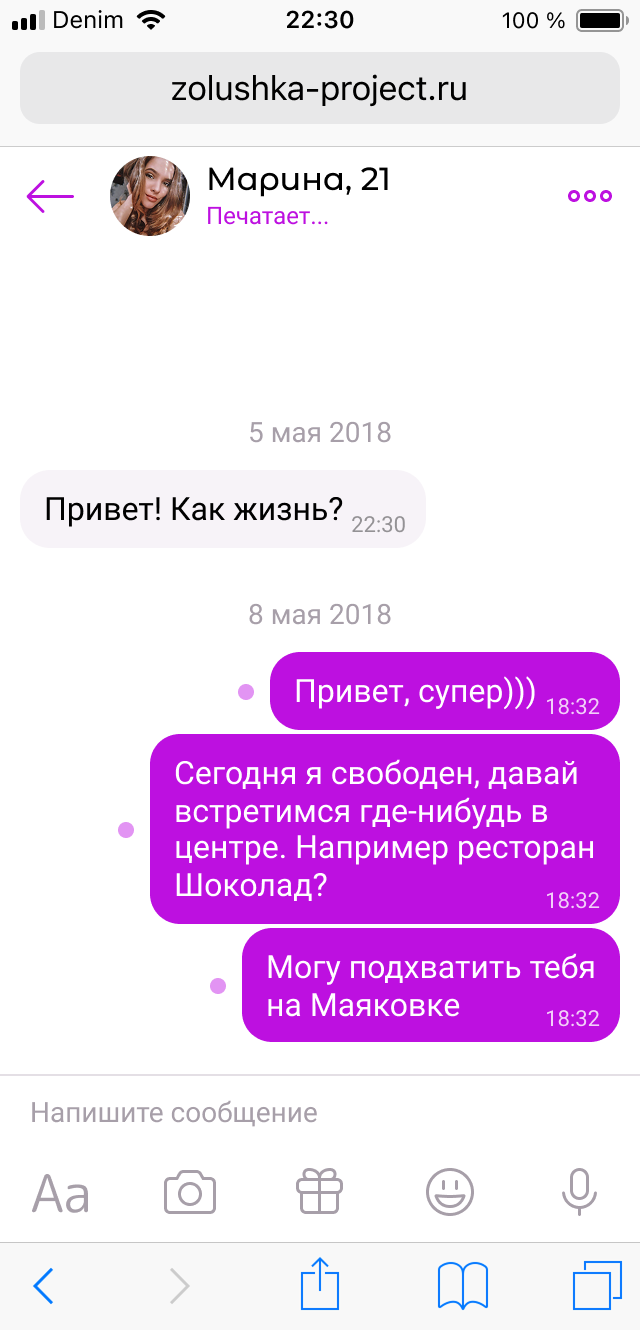
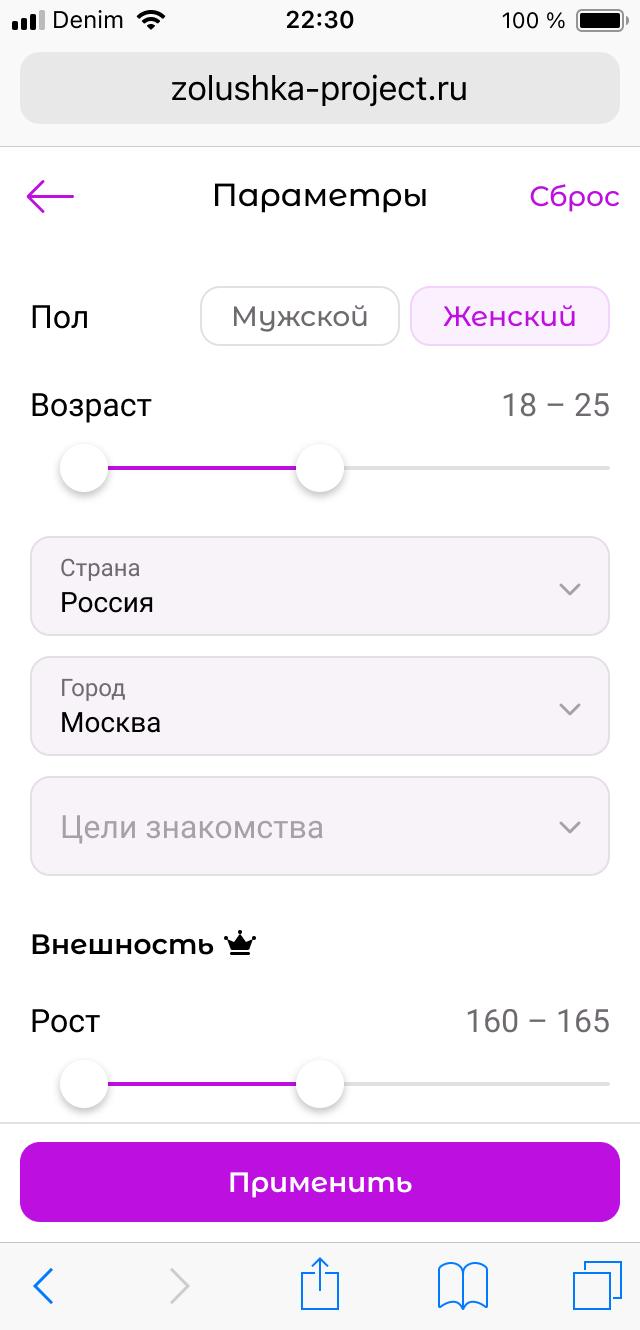
Mobile version
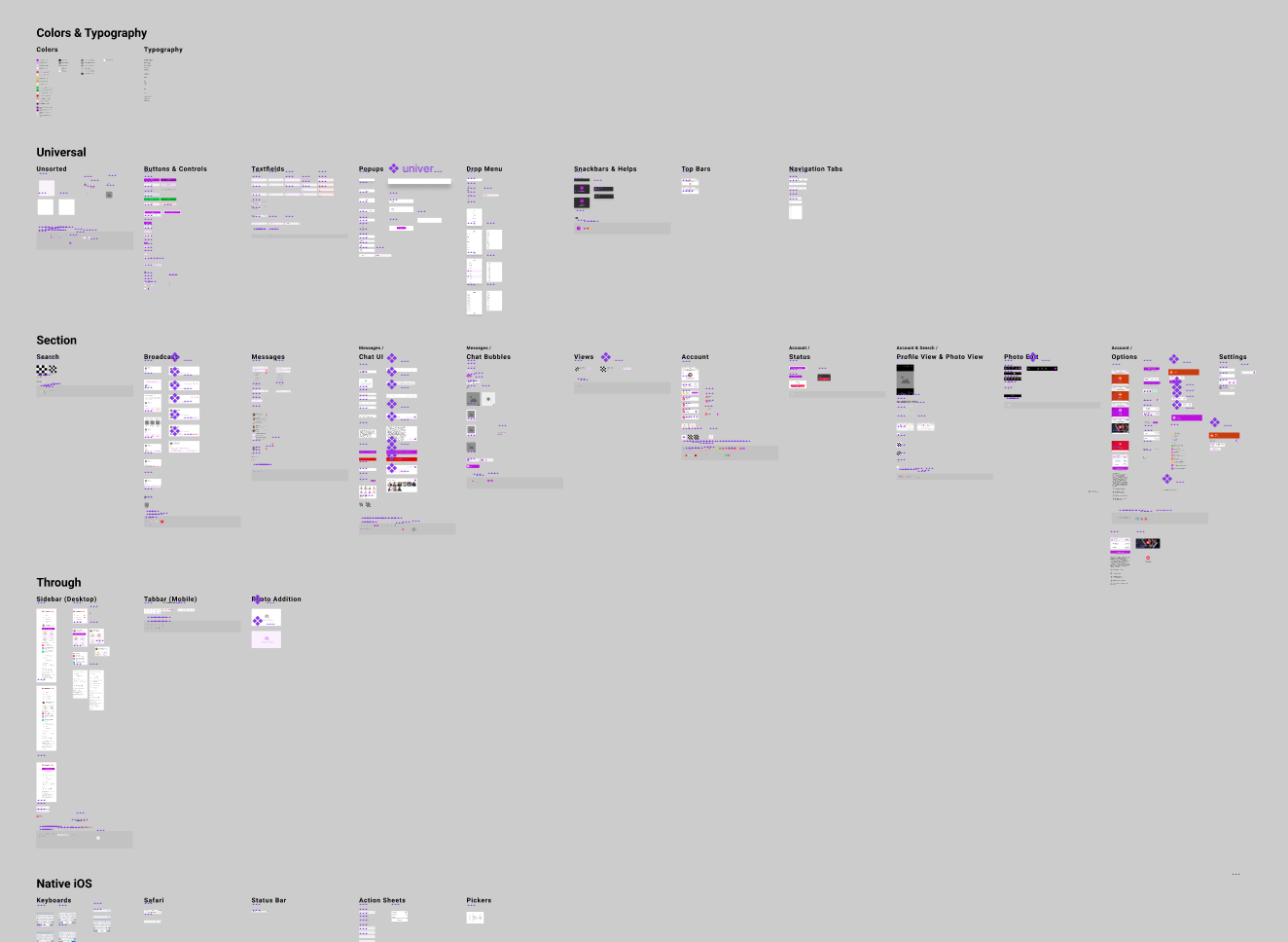
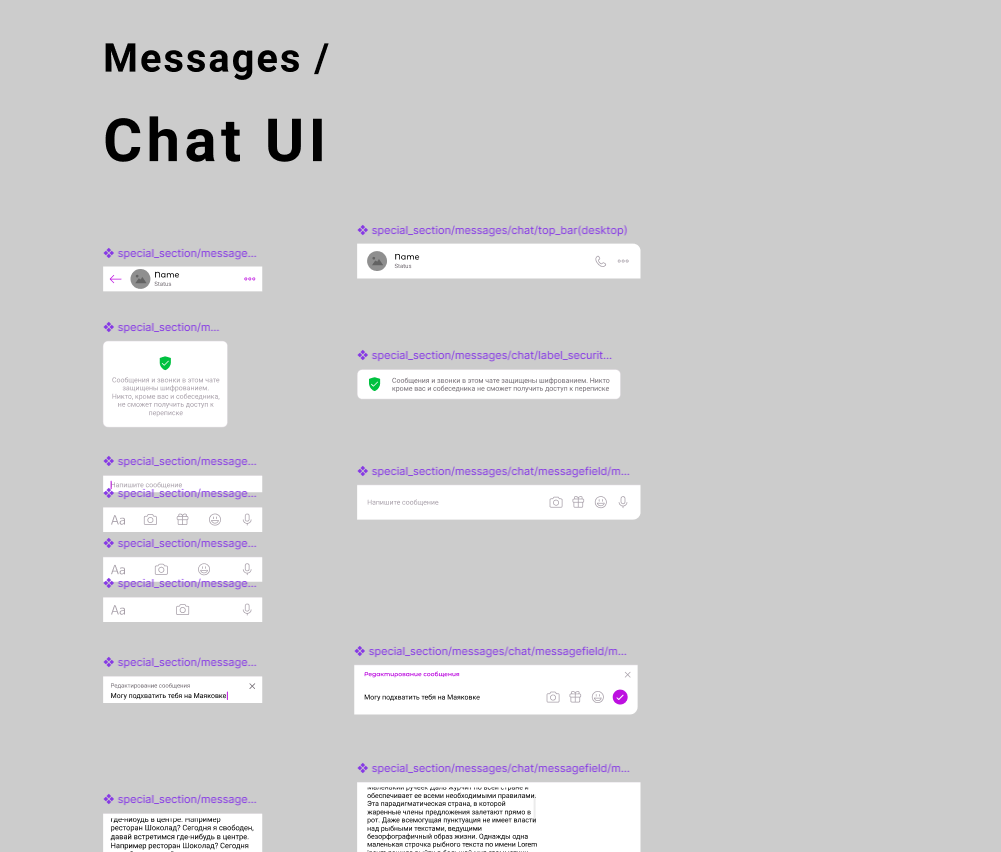
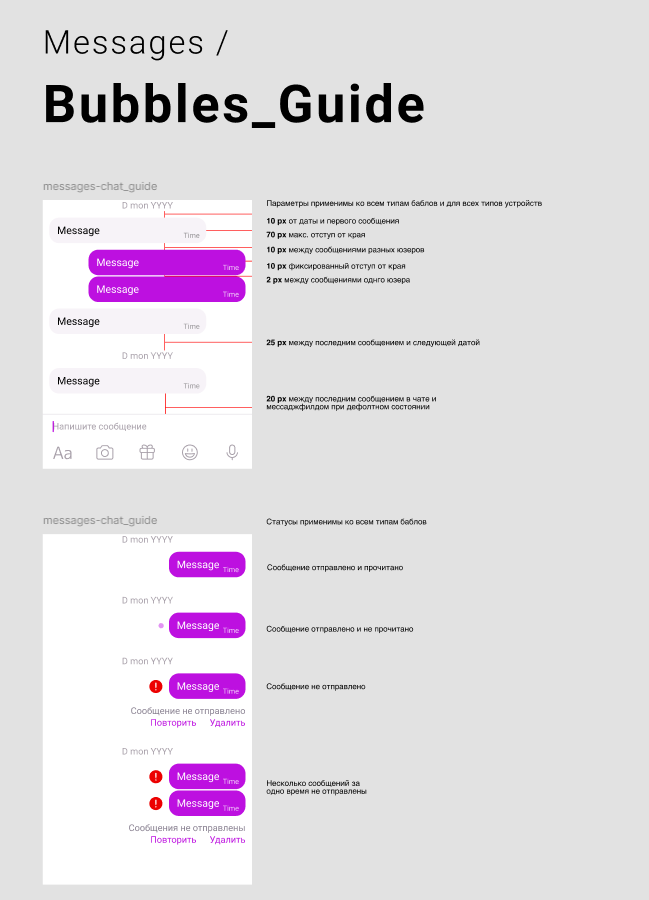
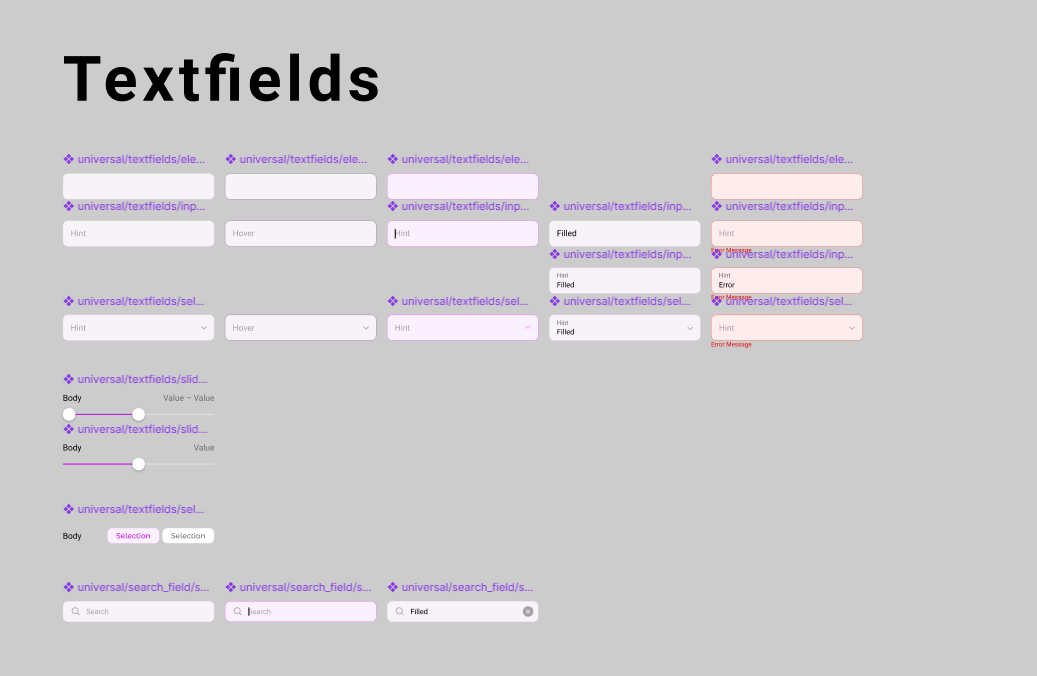
UI kit screenshots
Thanks for taking a look :)
Have a project in mind?
Let’s talk.
temabalyasnikov@gmail.com
telegram